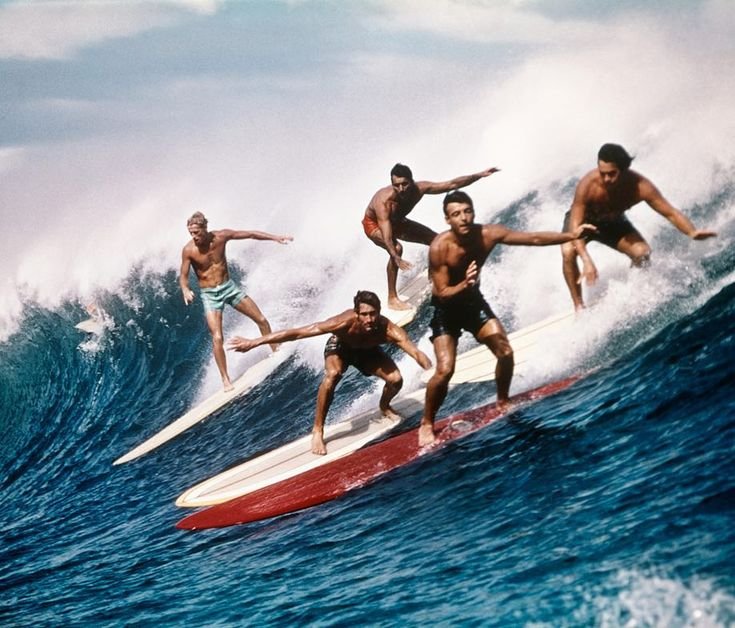

While wave-riding in Hawai‘i has deep pre-contact roots—embedded in social hierarchy, spirituality, and craftsmanship—the practice underwent a profound transformation as it entered the orbit of Western tourism and global media.
What had once been a culturally coded activity, with specific beaches, chants, and rituals, was reframed as a recreational pursuit and, eventually, a lifestyle with international reach.
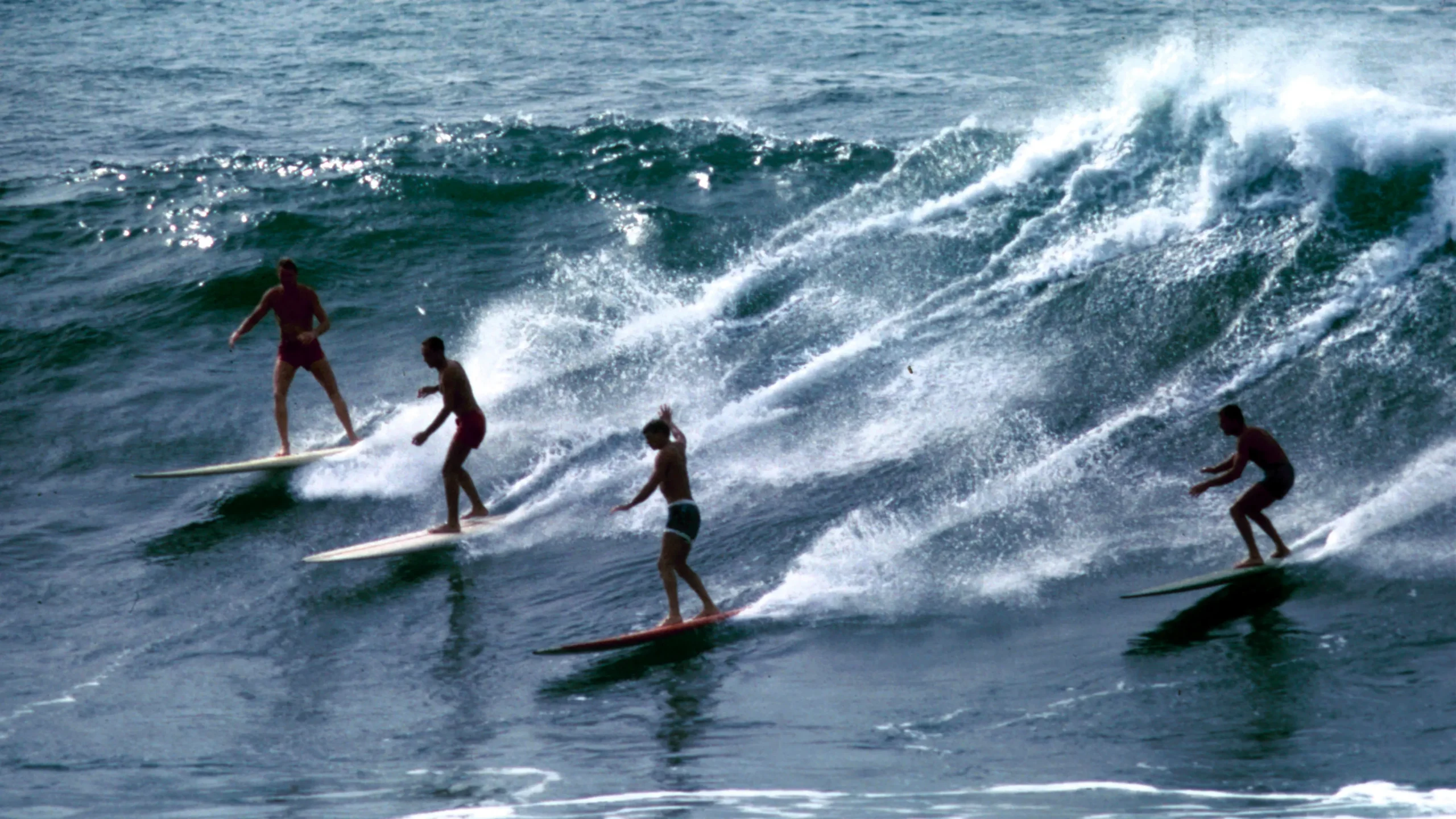
The late 19th century had seen a decline in traditional Hawaiian surfing due to missionary influence and the suppression of native customs. By the early 1900s, however, a revival was underway, driven both by Native Hawaiians seeking cultural continuity and by a small number of influential promoters who recognised surfing’s appeal to outsiders.
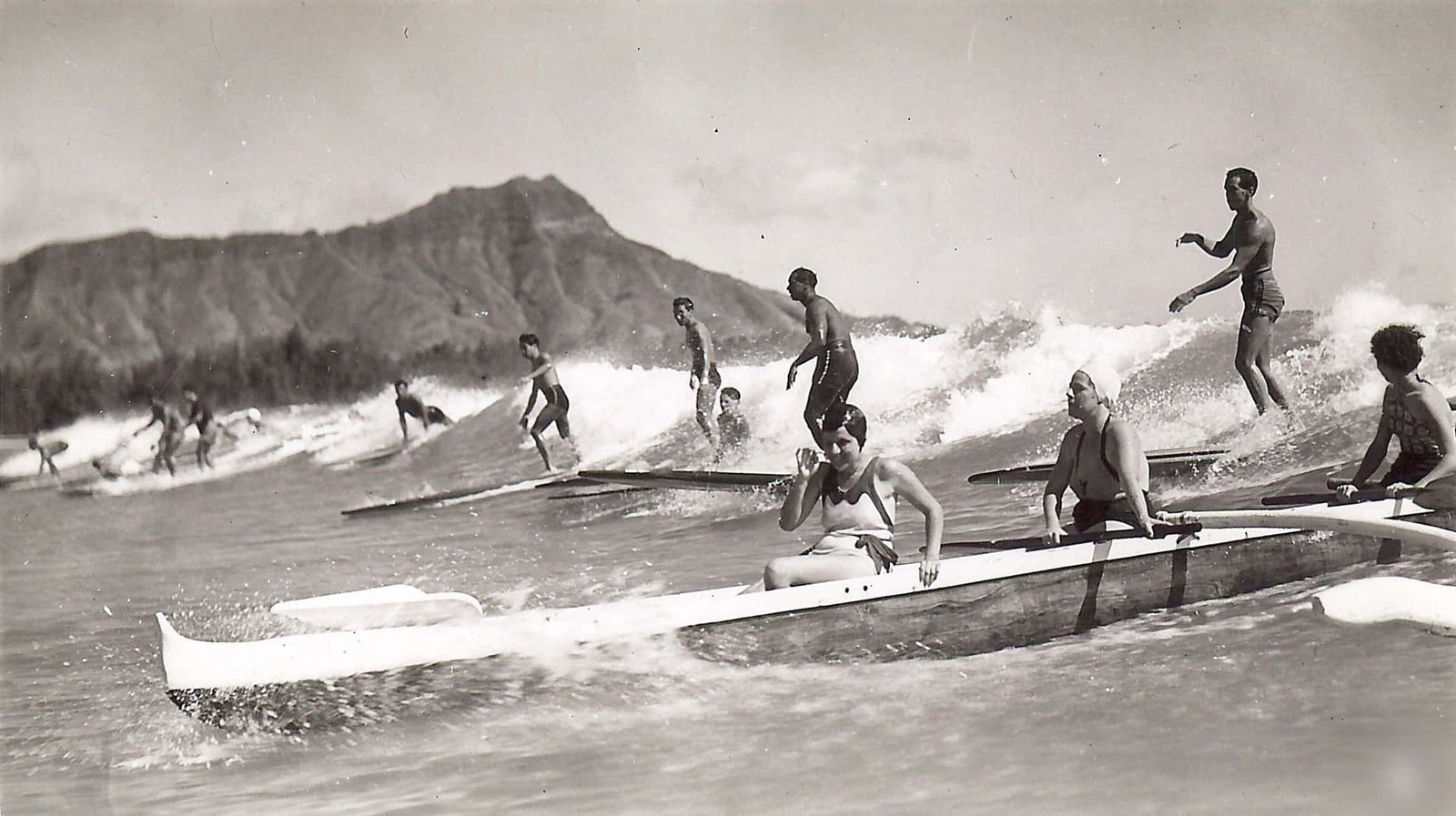

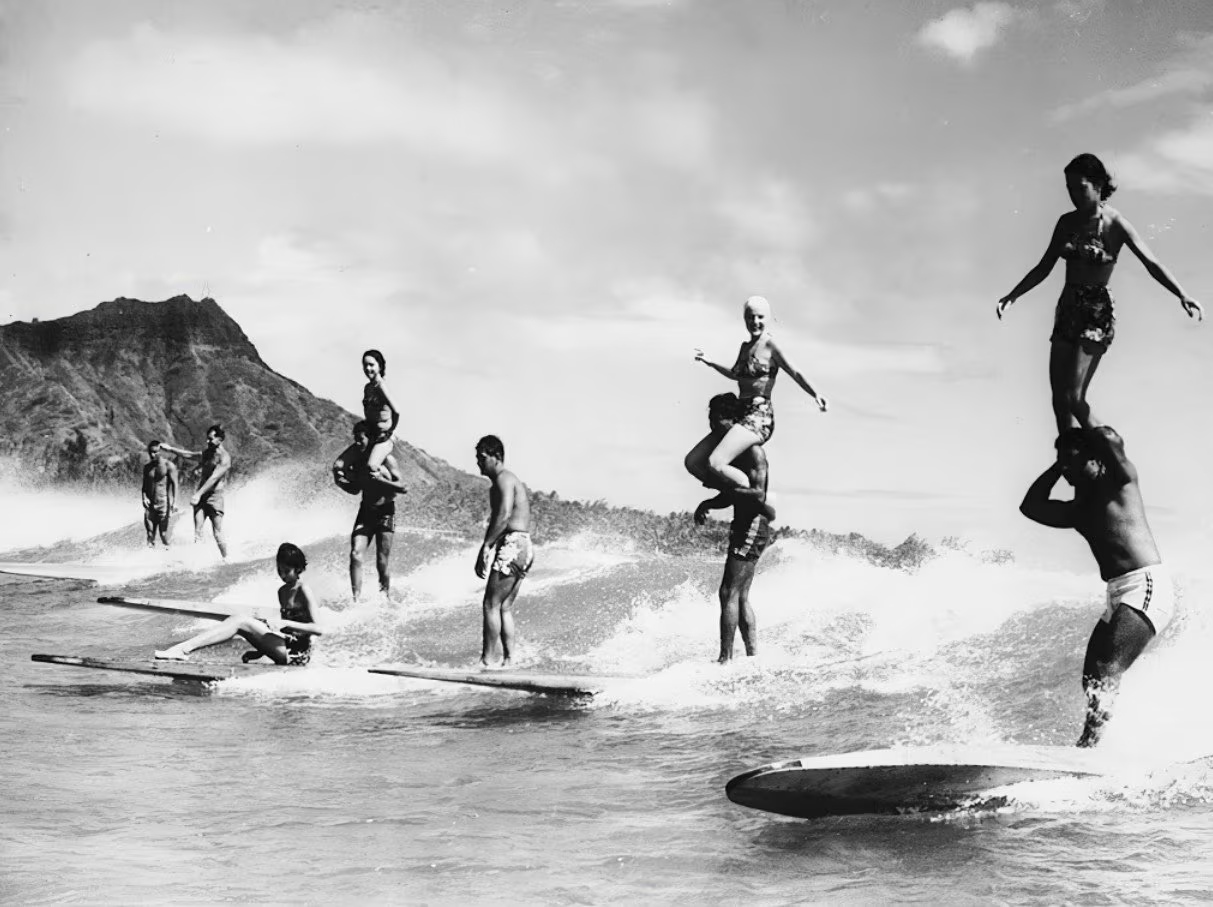
Among these, figures such as George Freeth and Duke Kahanamoku were pivotal. Freeth, of Hawaiian and Irish descent, was instrumental in demonstrating surfing in California, effectively exporting the practice to the mainland United States. Kahanamoku, an Olympic swimmer and cultural ambassador, further popularised surfing through exhibitions in Australia and the U.S., presenting it as both an athletic discipline and a romanticised expression of island life.
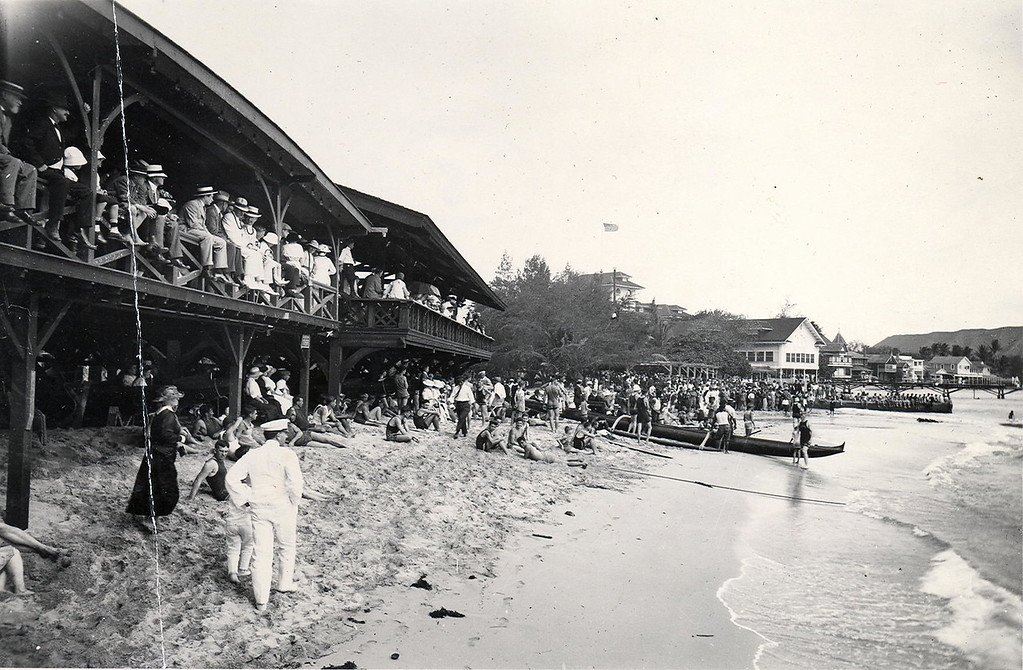
This period coincided with the rise of tourism in Waikīkī, where hotels and beach clubs began to commodify the coastal environment. Surfing became a spectacle as much as a sport, with visitors encouraged to participate under guided conditions.
The Outrigger Canoe Club
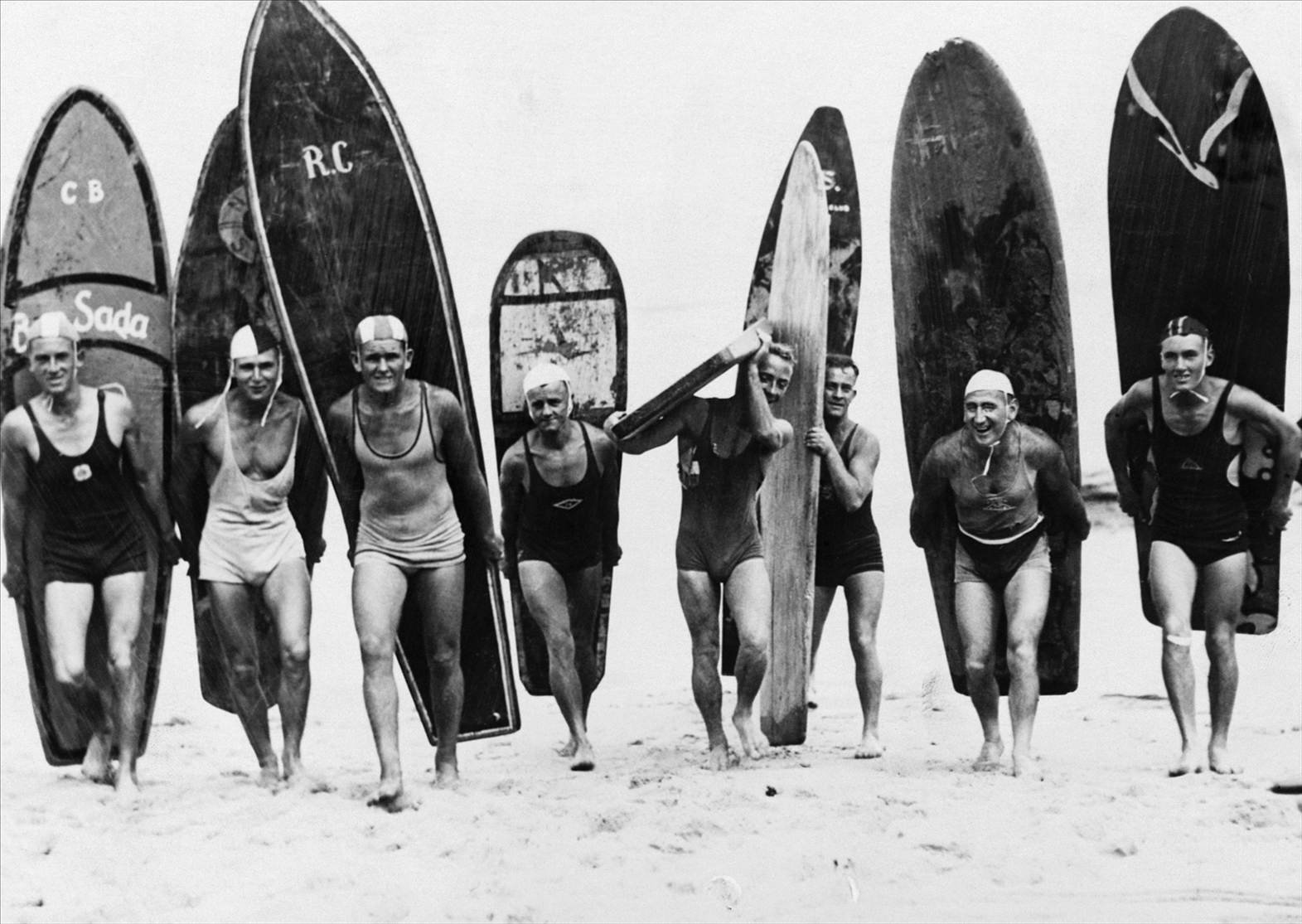
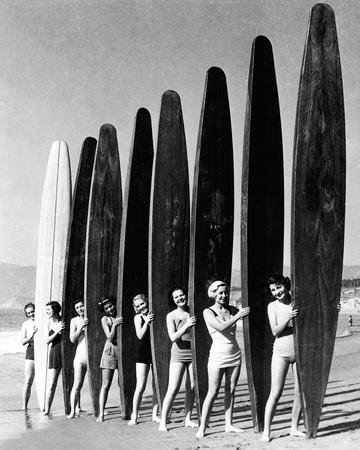
Technological factors were also significant. Early surfboards were heavy, solid wood constructions, often made from koa, weighing upwards of 50 kilograms. Their size and mass limited manoeuvrability but contributed to a distinctive style characterised by long, gliding rides.
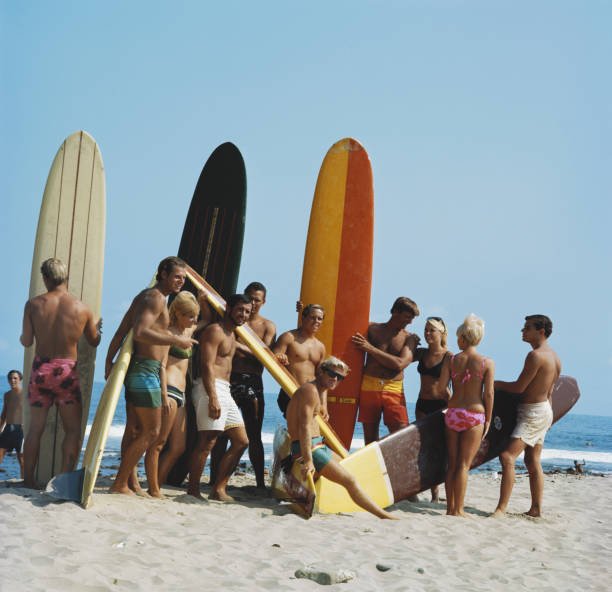
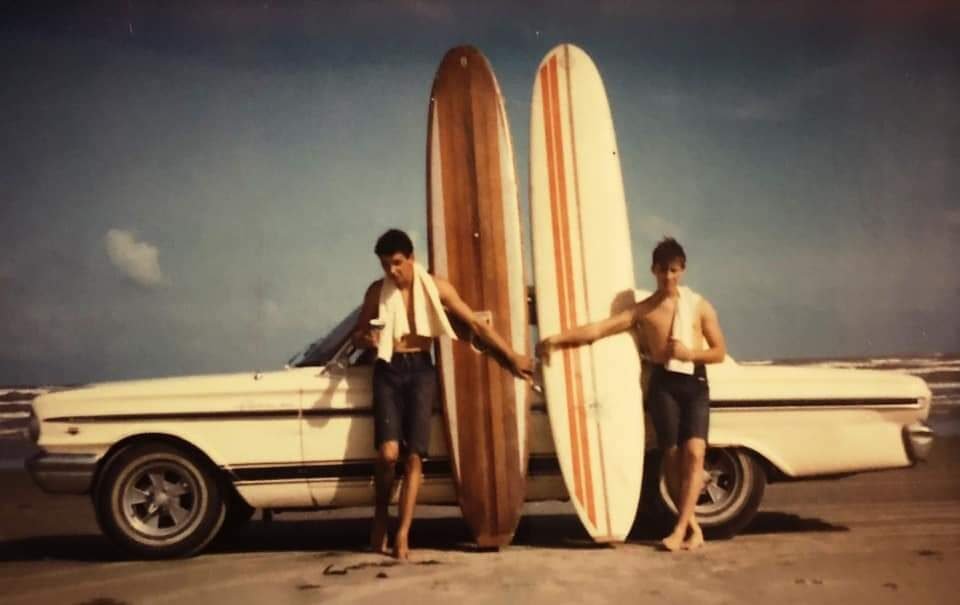
By the 1920s and 1930s, innovations such as hollow boards and lighter materials began to appear, making surfing more accessible and dynamic. These developments paralleled broader trends in modern sport, where equipment design increasingly influenced performance and participation.
The surf Bug myth
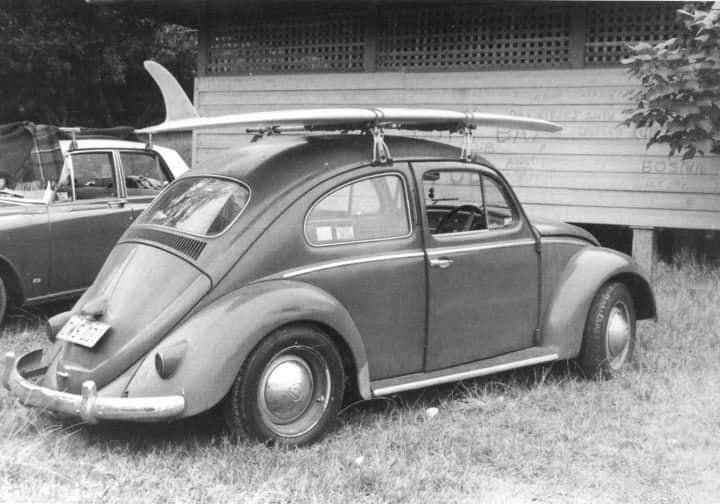
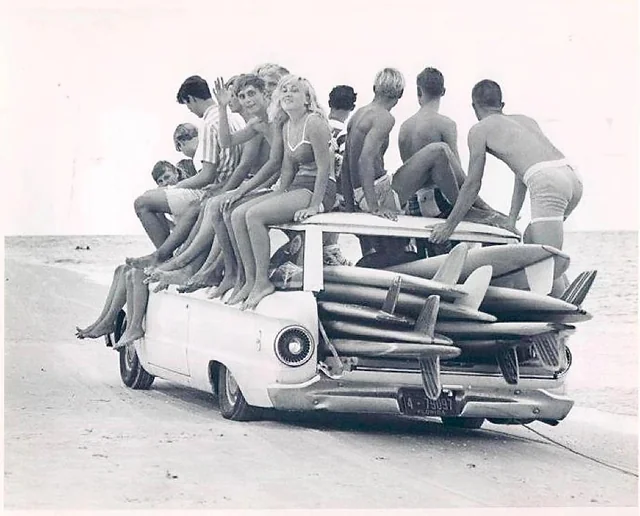
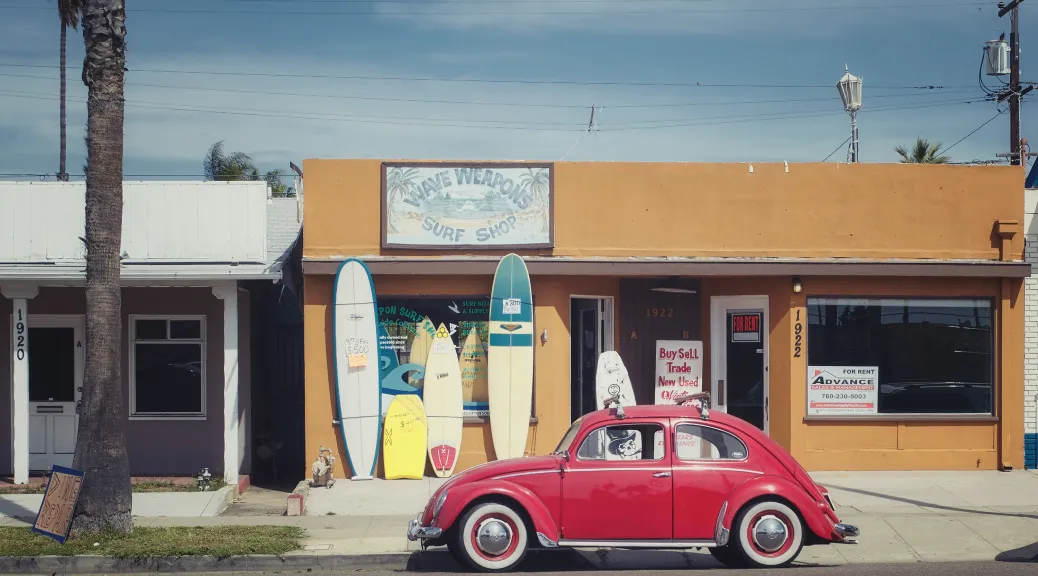
The Volkswagen Beetle and camper (aka ‘Kombi’) are well established as a surf scene icon in the Hollywood mythologising of surfing. But surfers did not choose VWs because they were cool or symbolic of an ideology; they chose them because they were cheap and plentiful.
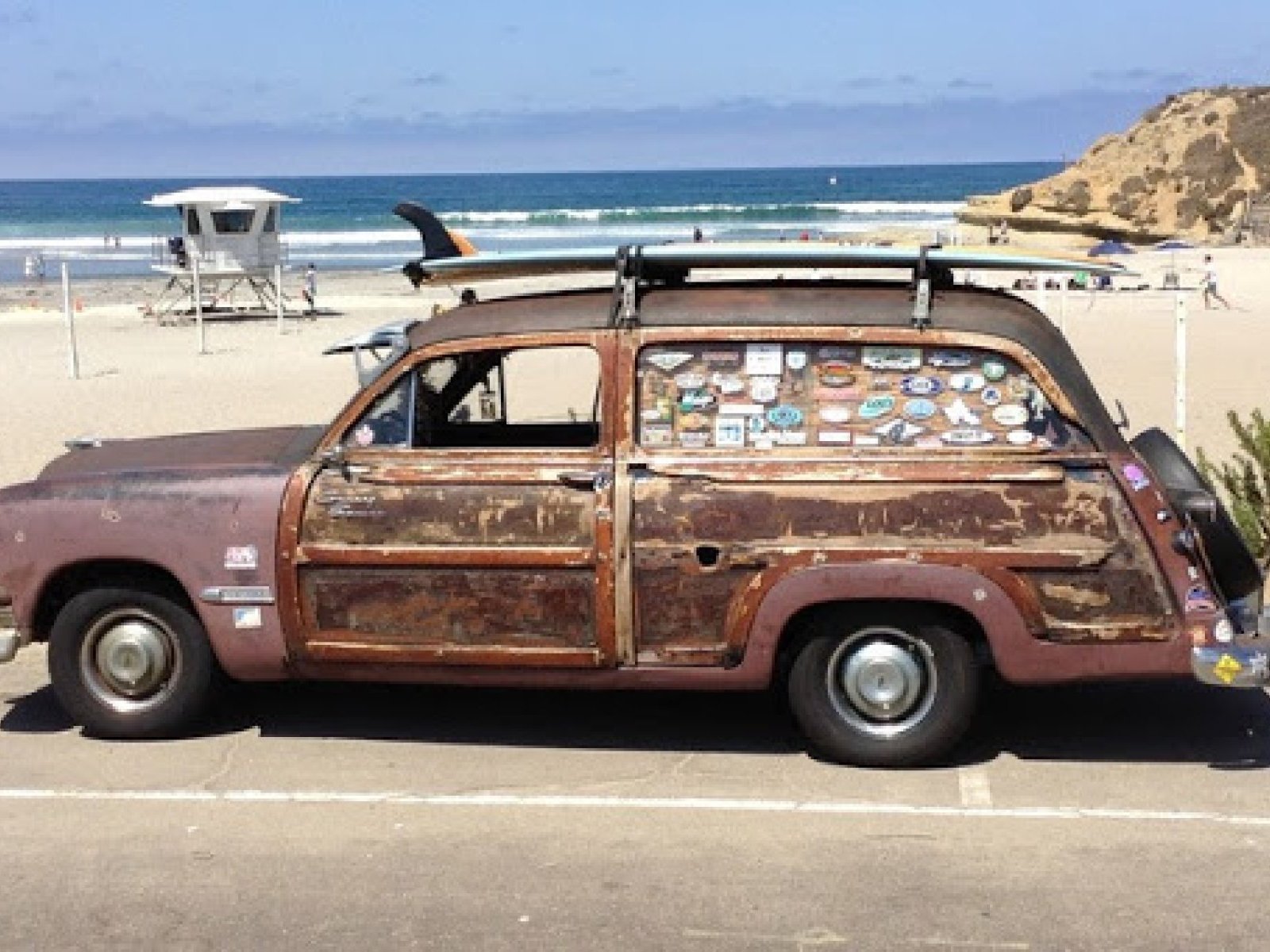
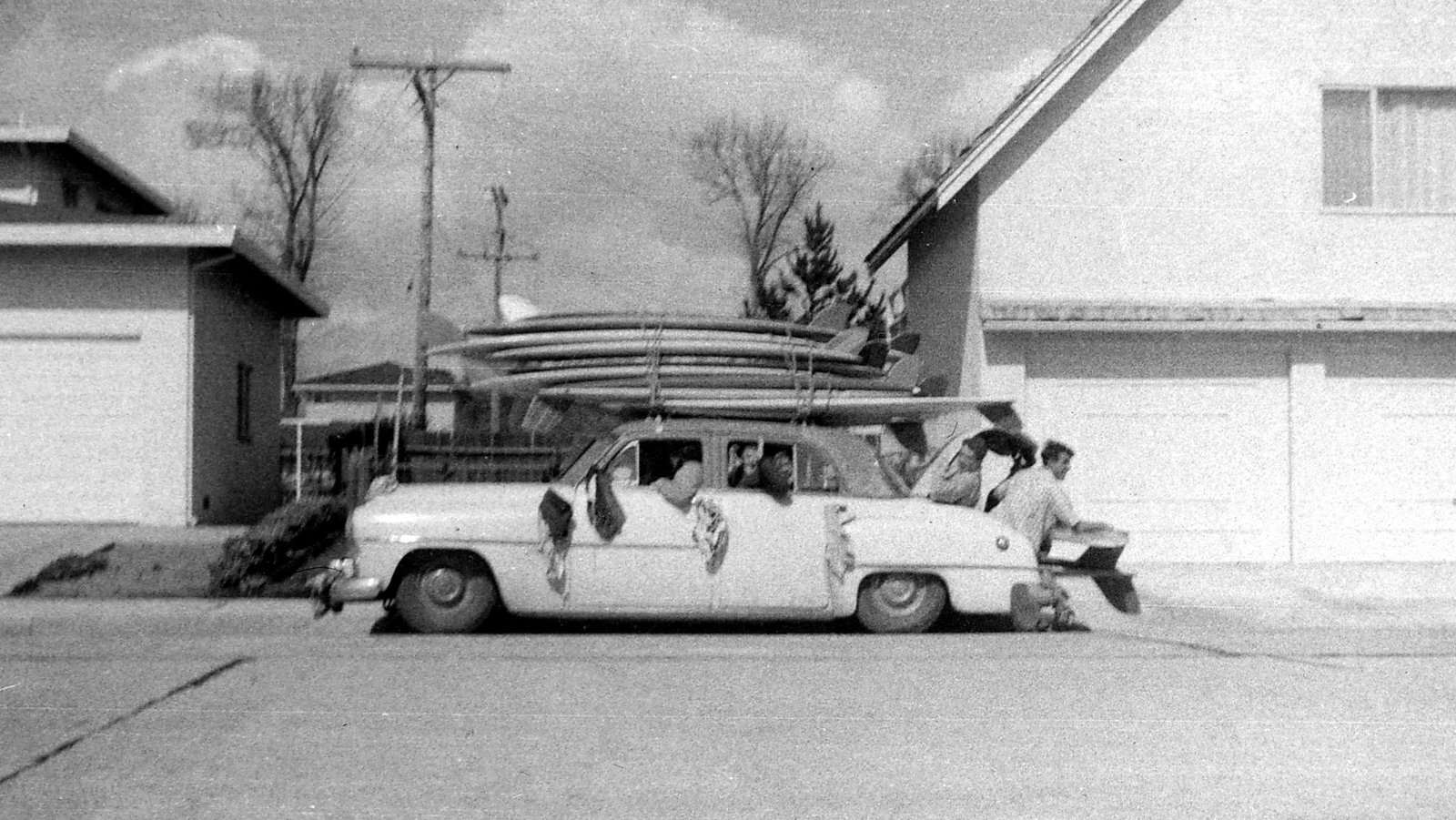
Surfers, to this day, have no particular interest in automobiles above and beyond them being a means to get them and their boards to the beach. True ‘surf wagons’ are old bangers that deal with the transport and, often, accommodation needs. As the old aphorism goes; what do you call a surfer who doesn’t have a girlfriend? Homeless.

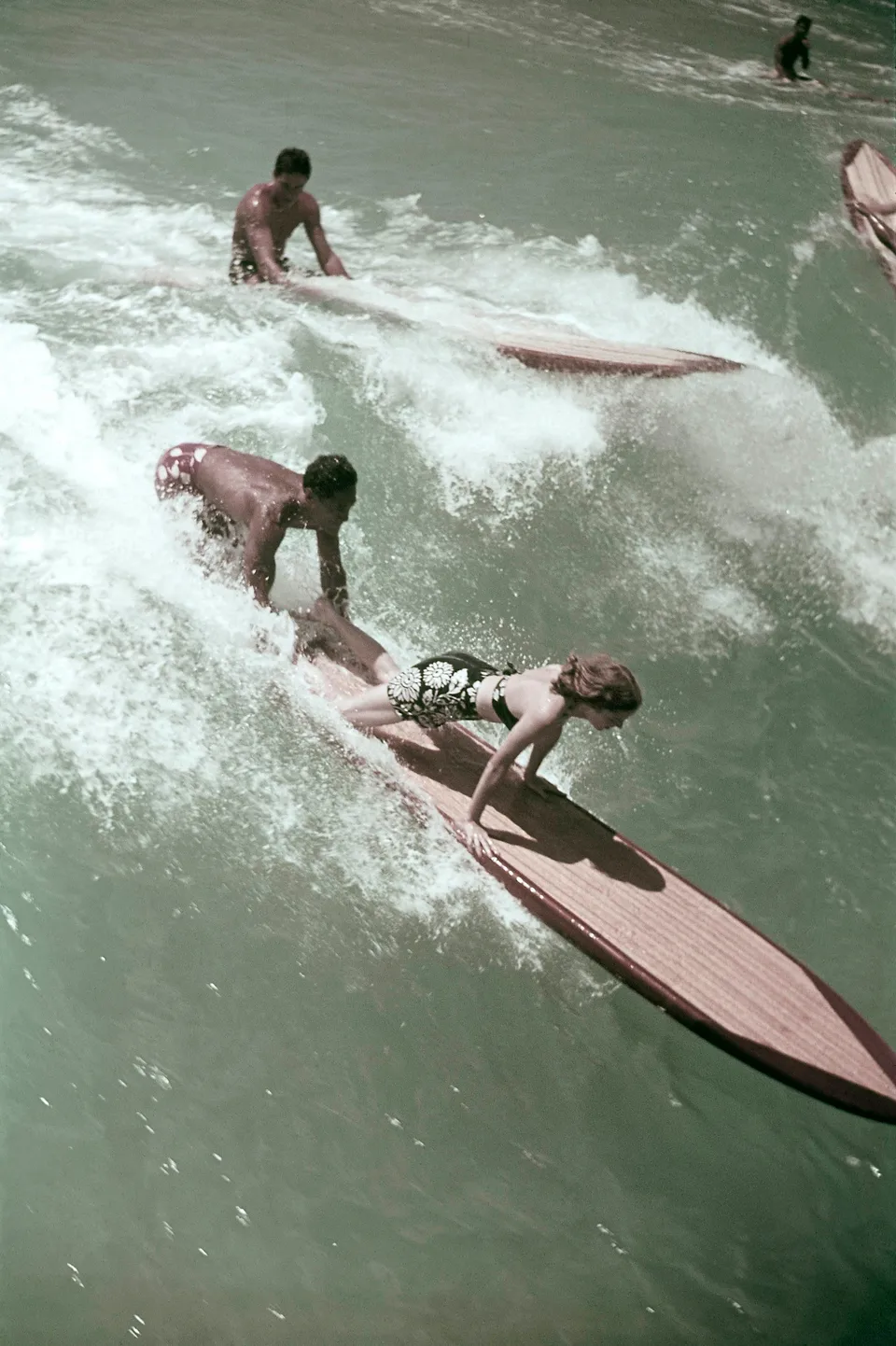
Media played a crucial role in shaping the mythology of early surf culture. Photographs, travel writing, and later film portrayed surfing as an exotic and liberating pursuit, tied to notions of freedom and escape from industrial modernity.
Waikīkī, in particular, was constructed as a kind of tropical idyll, where time slowed and the rhythms of the ocean dictated daily life. This imagery resonated with audiences in the United States and beyond, especially during the interwar years, when economic hardship and urbanisation intensified the appeal of such escapist narratives.
Despite its growing popularity, early surf culture retained a strong sense of locality. Hawaiian surfers maintained a connection to the ocean that went beyond recreation, grounded in respect for natural forces and communal knowledge of waves, tides, and weather. At the same time, the influx of outsiders introduced tensions around ownership, authenticity, and cultural representation—issues that would persist as surfing expanded globally.
Modern surf culture
By the mid-20th century, the foundations of modern surf culture were firmly in place: a blend of indigenous heritage, athletic innovation, and commercialisation. The early decades had established surfing not merely as a sport, but as a cultural system—complete with its own values, aesthetics, and narratives—capable of transcending geography while still rooted in the specific conditions of its Hawaiian origins.
Leave a Reply