
Born in Castellammare di Stabia, in the province of Naples, Campania, on January 4, 1979, Ammirati’s early life was rooted in the rich cultural tradition of her region, which fostered her innate passion for performance from a young age.

Ammirati’s artistic foundation began in Campania, where she completed her secondary education at a liceo artistico (artistic high school) in Torre Annunziata, focusing on visual arts and photography. This early immersion in creative disciplines provided a precursor to her later dramatic career.
Following her graduation, she relocated to Rome, a significant transition from her provincial hometown, to pursue higher education. She enrolled in the prestigious Sapienza University of Rome, where she began studying psychology.
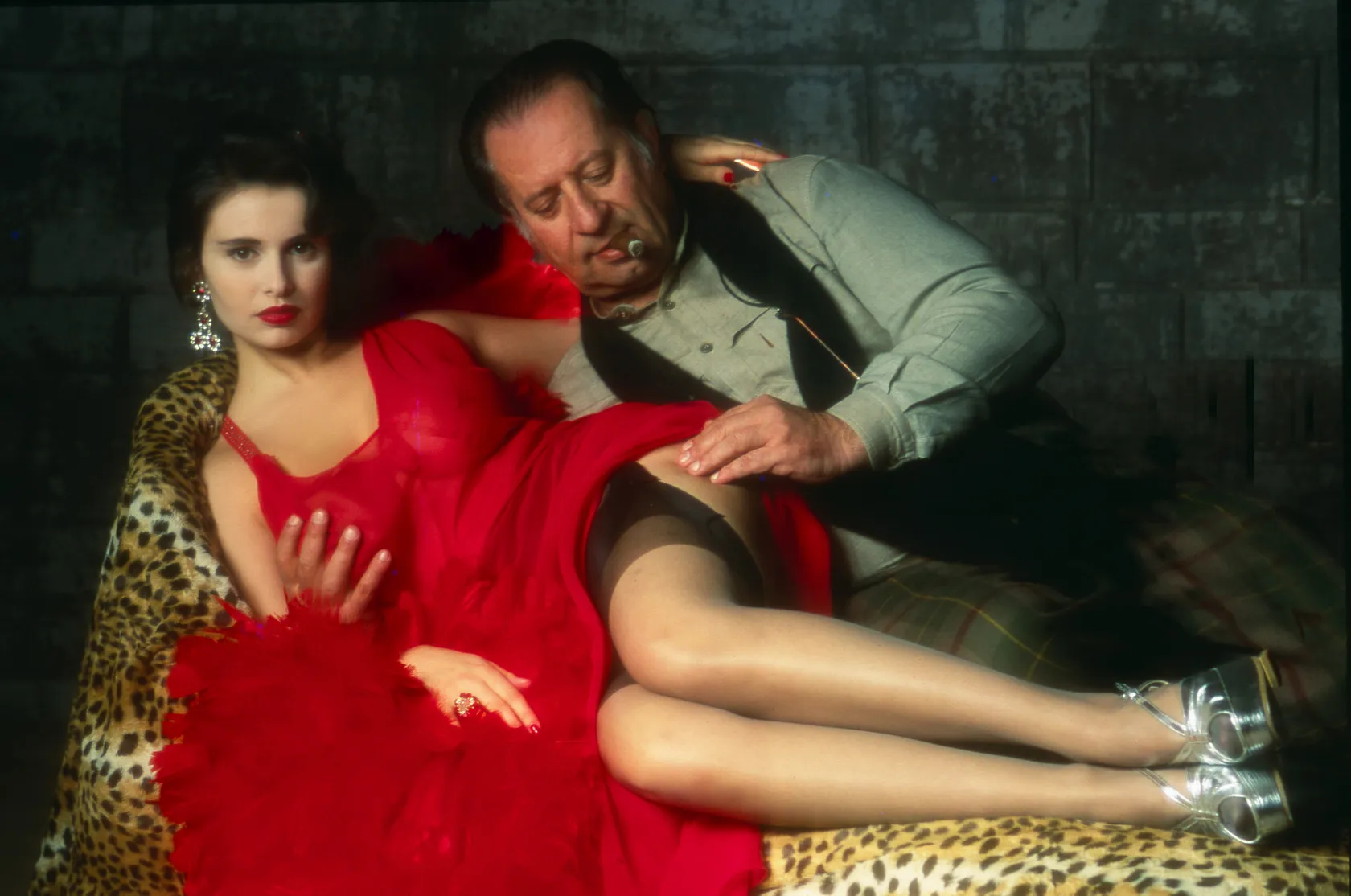
It was during this period of balancing academic study with creative interests that Ammirati began to explore acting, taking on minor roles that marked her entry into the professional world of performance, starting with the miniseries Positano (1996).
The breakthrough with Tinto Brass

The pivotal moment in Ammirati’s career arrived in 1997 when, at the age of nineteen, she attended a casting call at Cinecittà studios.
The session was organised by the legendary Italian director Tinto Brass, known for his distinctive and often highly provocative erotic cinema.
Brass selected Ammirati to play the lead role of Lola in his 1998 erotic comedy, Monella (internationally released as Frivolous Lola).
The film, which explored themes of youthful sexuality and Italian provincial life with Brass’s characteristic baroque style, became an international success and an instant sensation. Ammirati’s performance was lauded for its natural charm, sensual energy, and fearless embrace of the role’s demanding nature.
The film provided her with a level of fame and notoriety that instantly catapulted her into the public eye, yet it also established an association with the erotic genre that she would spend much of her later career challenging and broadening.
Post-breakthrough versatility
Like many actors who achieve initial fame in a specific genre, Ammirati faced the challenge of demonstrating her range beyond the role that made her famous.
She quickly sought to diversify her profile, proving her capability in more traditional cinematic and theatrical contexts. Immediately following Monella, she appeared in the dramatic film Rose e pistole (1998) and the crime drama I fetentoni (1999).
The 2000s saw Ammirati establishing herself as a regular and respected figure in Italian television and mainstream cinema. Her filmography from this period includes Quartetto (2001) and Alla fine della notte (2003), both directed by Salvatore Piscicelli, and the darker, more dramatic role in Antonio Capuano’s L’amore buio (Dark Love, 2010).

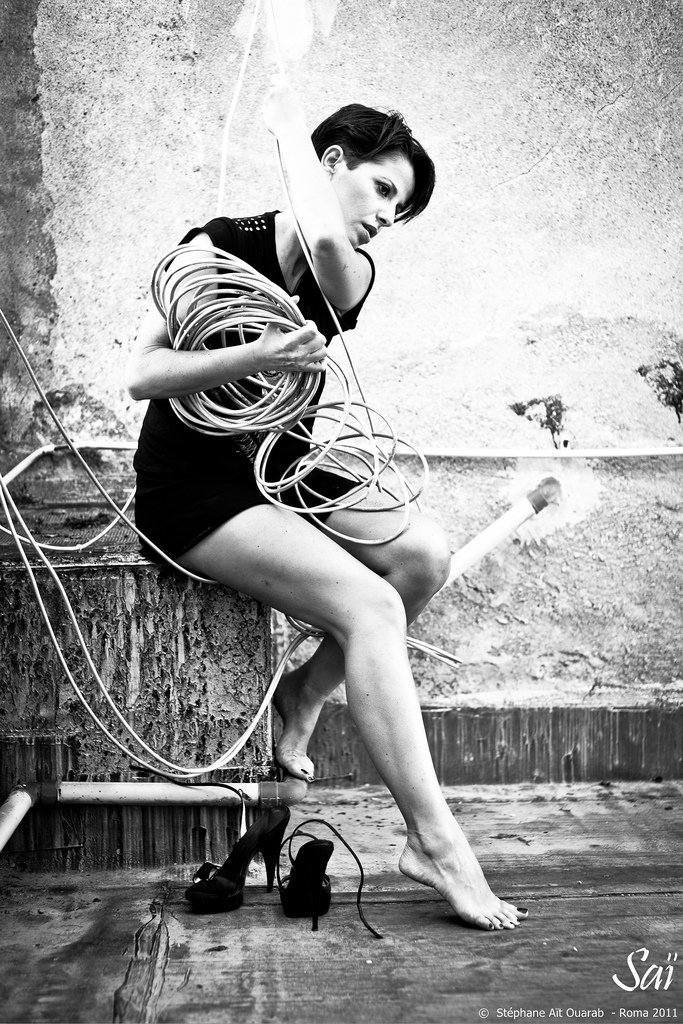

On the small screen, Ammirati participated in several long-running and popular Italian television series, which allowed her to connect with a wider audience. Notable TV appearances include the series Sospetti 2 (2003), the crime drama Donna detective (2007–2010), and the critically acclaimed series Io e mio figlio – Nuove storie per il commissario Vivaldi (2010).
Stage and contemporary work

Beyond the screen, Ammirati has maintained a consistent and vital commitment to the theatre, a medium that truly showcases an actor’s craft and emotional depth. Her stage credits are diverse, spanning classic and contemporary works.
She has performed in productions such as Dino Buzzati’s Un amore (1998), David Hines’ Bondage (1998), and a Neapolitan avant-garde recital, Napsound, which she also wrote and performed, demonstrating a creative ambition that extends beyond mere acting.
In recent years, Ammirati has enjoyed a resurgence in global popularity thanks to her role in the international hit television series Mare fuori (The Sea Beyond), which premiered in 2020. Her work in this series has introduced her to a new generation of viewers and reaffirmed her status as a compelling and nuanced dramatic actress.

Continuing to work actively across media, Ammirati’s later career proves a successful transition from a provocative debut to a mature, versatile artist who seamlessly navigates the worlds of cinematic drama, television serialisation, and the live stage. She has established a career path that is a powerful testament to her resilience and artistic dedication, transforming an initial notoriety into a lasting professional legacy in Italian performing arts.
Leave a Reply