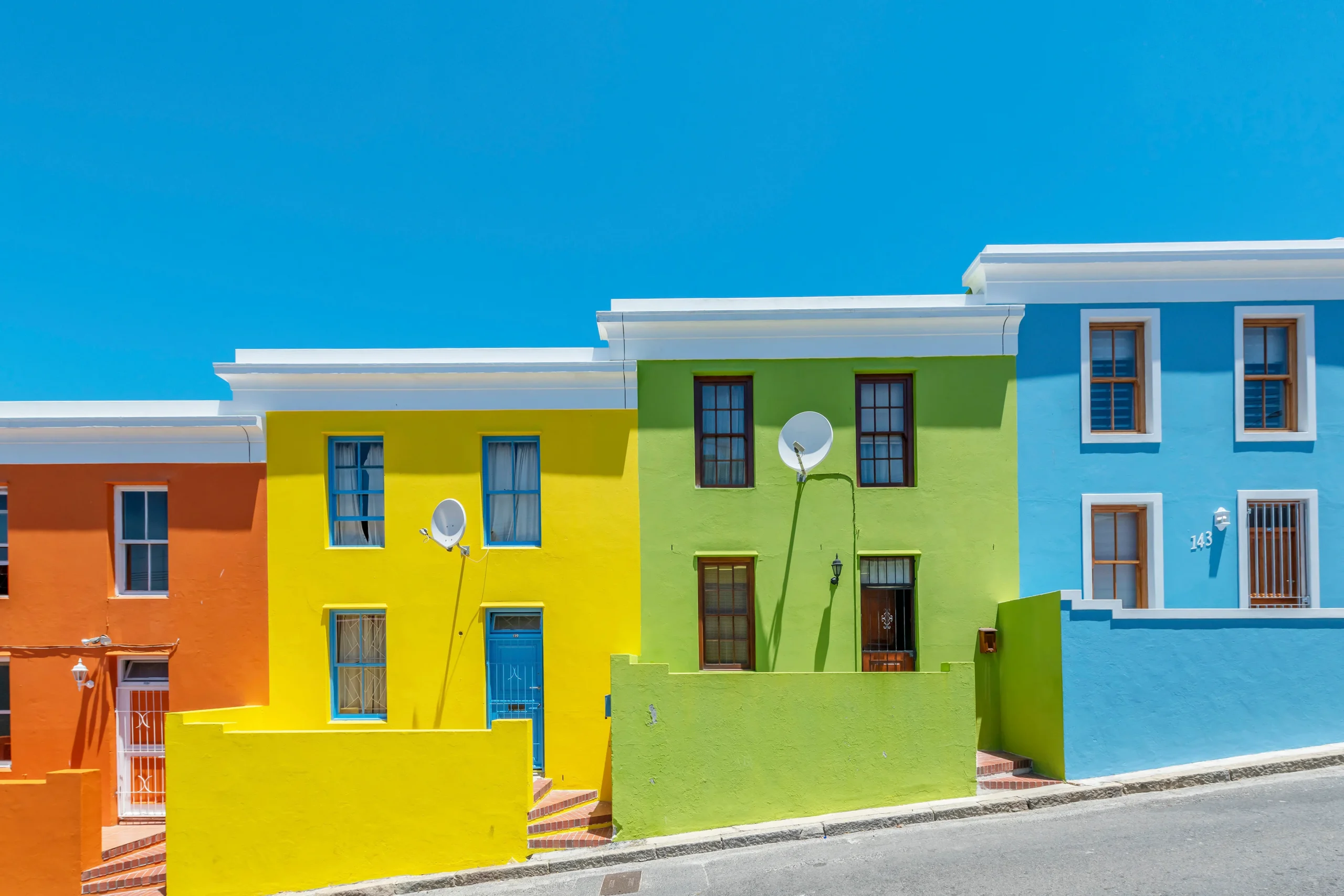

Nestled at the foot of Signal Hill on the edge of Cape Town’s city centre, the Bo-Kaap neighbourhood is one of South Africa’s most iconic and culturally significant communities.
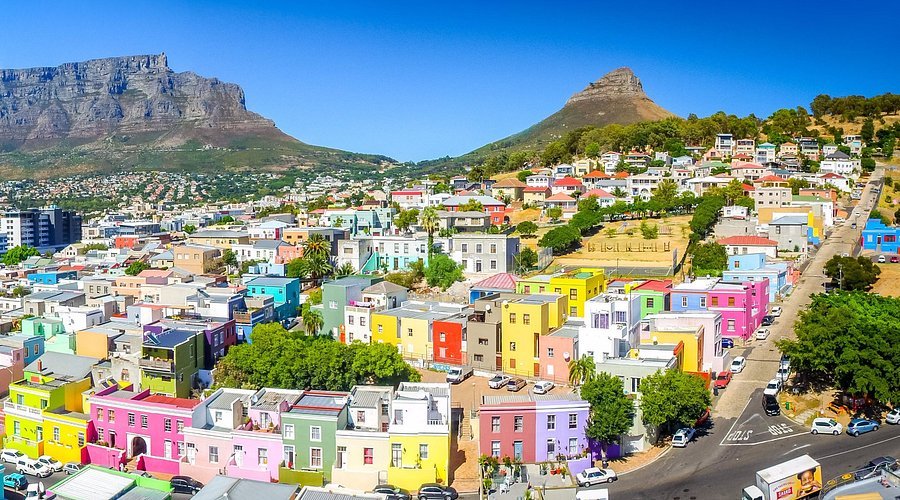
Formerly known as the Malay Quarter, it is a place where history, religion, and architecture converge to tell a story of resilience, identity, and the enduring quest for freedom.
A heritage of resilience
The roots of Bo-Kaap date back to the 1760s when the Dutch began building small rental houses, known as huurhuisjes, for the enslaved people and political exiles they brought from Malaysia, Indonesia, India, and various parts of Africa.
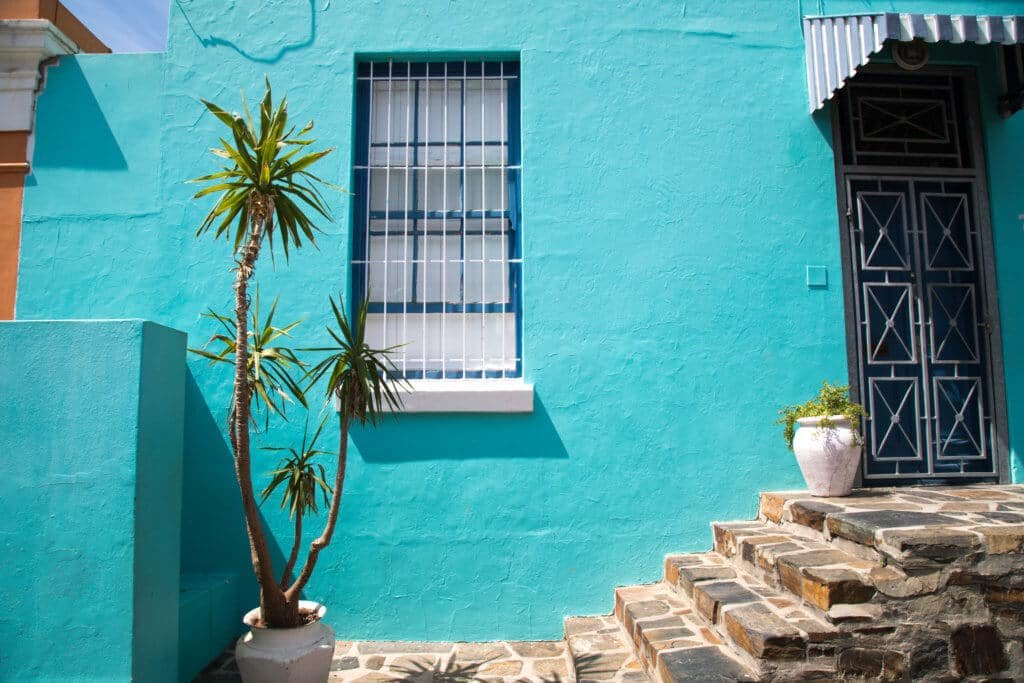
These individuals, collectively referred to as the Cape Malays, were often highly skilled artisans—carpenters, tailors, and builders—who left an indelible mark on the craftsmanship of Cape Town.
Despite the hardships of slavery and the subsequent segregationist policies of the Apartheid era, the community maintained a remarkably consistent cultural identity.
While other historic districts like District Six were tragically bulldozed, Bo-Kaap was largely preserved, partly due to the efforts of local leaders and its designation as a Malay-only area under the Group Areas Act of 1950.
The language of colour
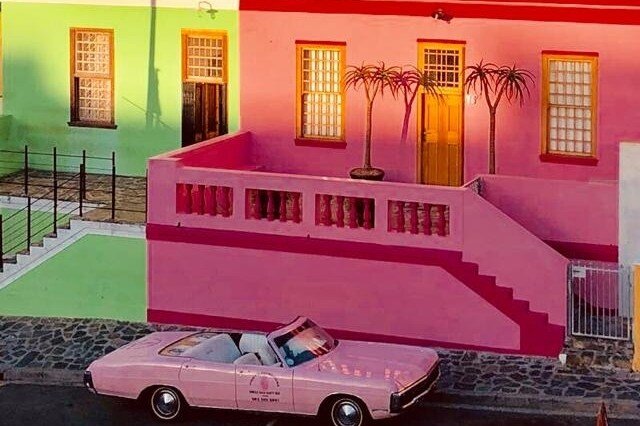
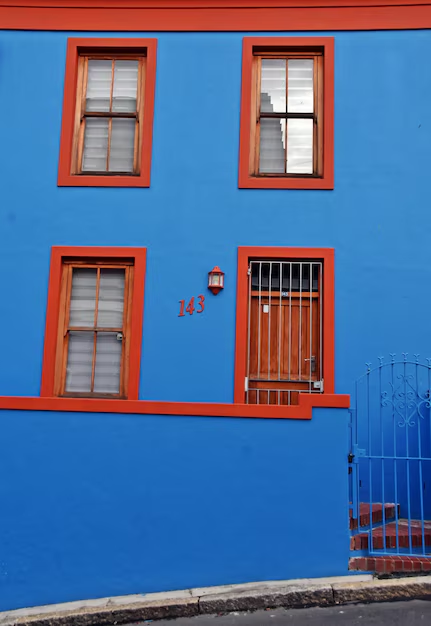
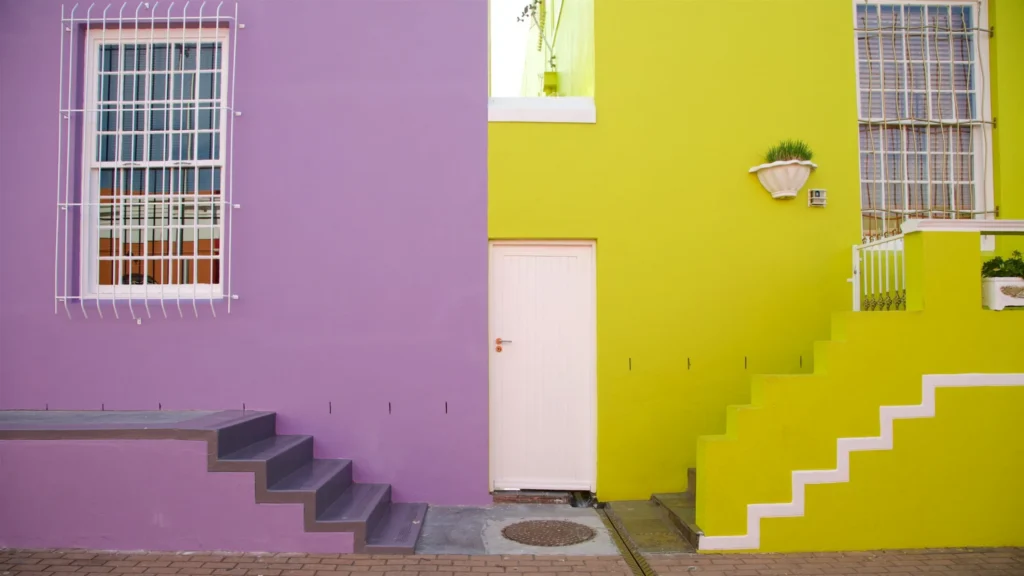
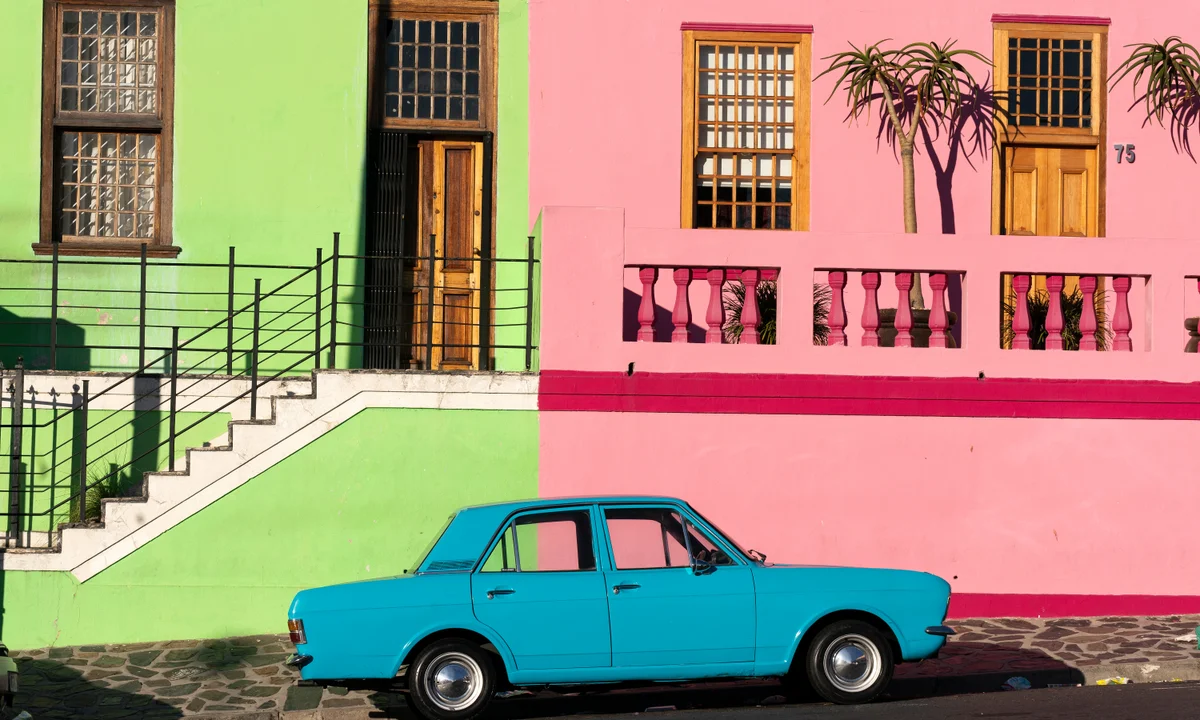
The neighbourhood’s most famous feature is its rows of vibrantly painted houses in neon pinks, electric blues, and lime greens. Local tradition suggests that during the period of Dutch and British rule, all rental properties were required to be painted white.
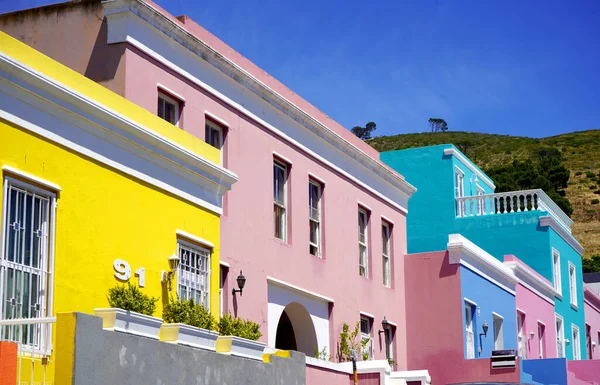
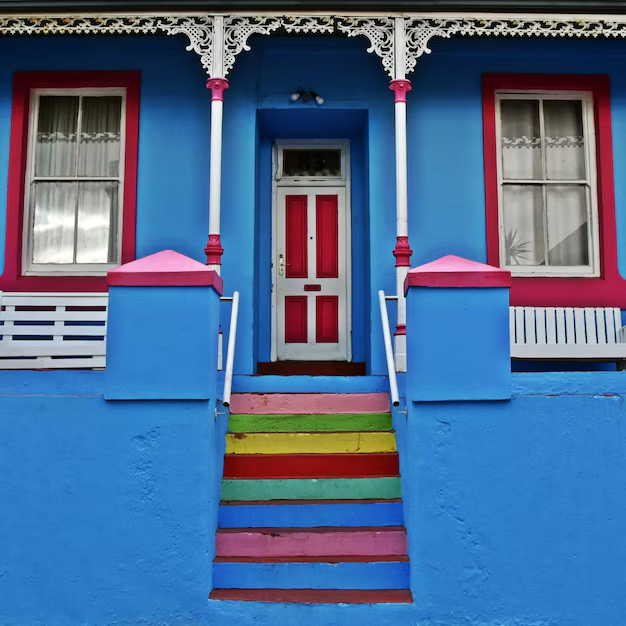
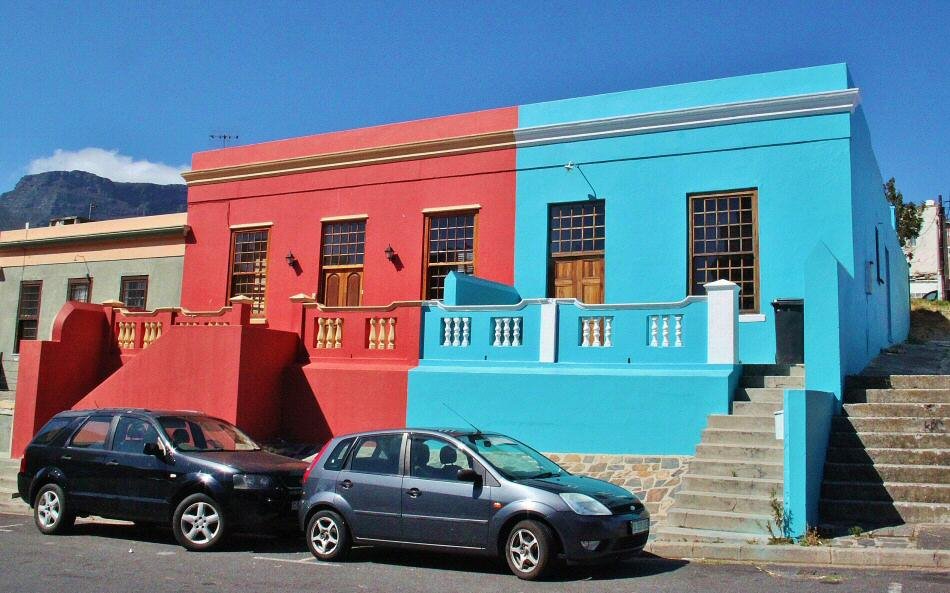
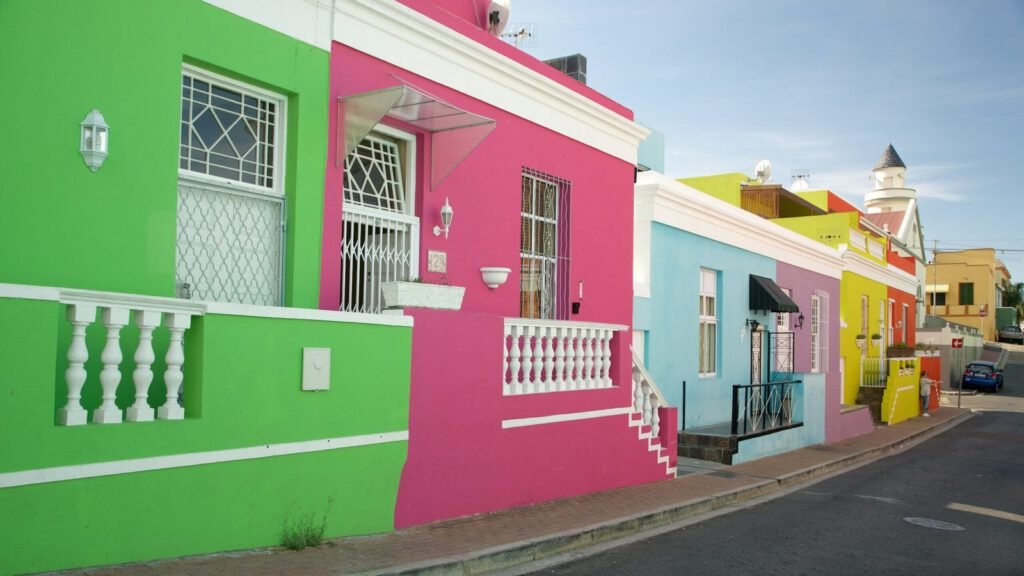
When slavery was abolished in 1834 and residents eventually gained the right to own their homes, they began painting them in bright colours as a bold expression of their newfound freedom and individuality. Today, these cobblestone streets are one of the most photographed locations in the country.
The Heart of South African Islam
Bo-Kaap is the historical centre of the Muslim community in South Africa. It is home to the Auwal Mosque, established in 1794, which is the oldest mosque in the country. Within its walls, the first formal Islamic teachings in South Africa began, and it houses a copy of the Quran handwritten from memory by Tuan Guru, a political prisoner on Robben Island. The calls to prayer from the many neighbourhood minarets create a distinct atmosphere that has remained constant for generations.
Cuisine and Community
The neighbourhood is also the birthplace of Cape Malay cuisine, a unique fusion of Eastern spices and traditional Dutch flavours. The air often carries the scent of cardamom and cumin from local kitchens preparing:
- Bobotie: A spiced minced meat bake with an egg-based topping.
- Samoosas: Savory fried pastries filled with meat or vegetables.
- Koesisters: Spiced, syrup-coated doughnuts flavoured with ginger, cinnamon, and aniseed.
Modern Challenges
Today, Bo-Kaap is a National Heritage Site, containing the largest concentration of pre-1850 architecture in South Africa. However, it faces modern challenges like gentrification. As property values rise and new developments move in, the traditional families who have lived there for centuries fight to preserve the neighbourhood’s “intangible heritage”—the oral histories, social bonds, and communal traditions that make Bo-Kaap more than just a colourful backdrop.
Leave a Reply