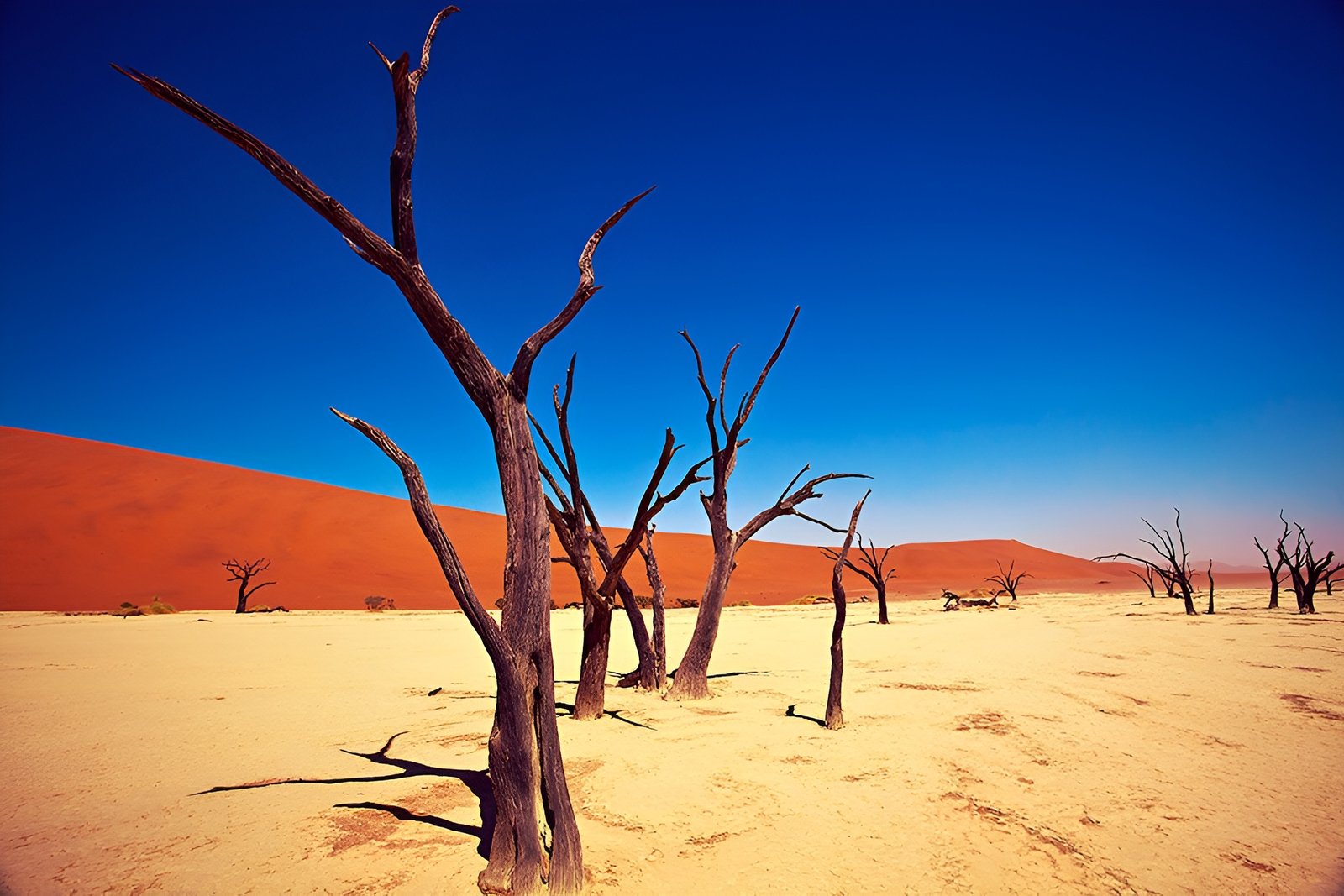

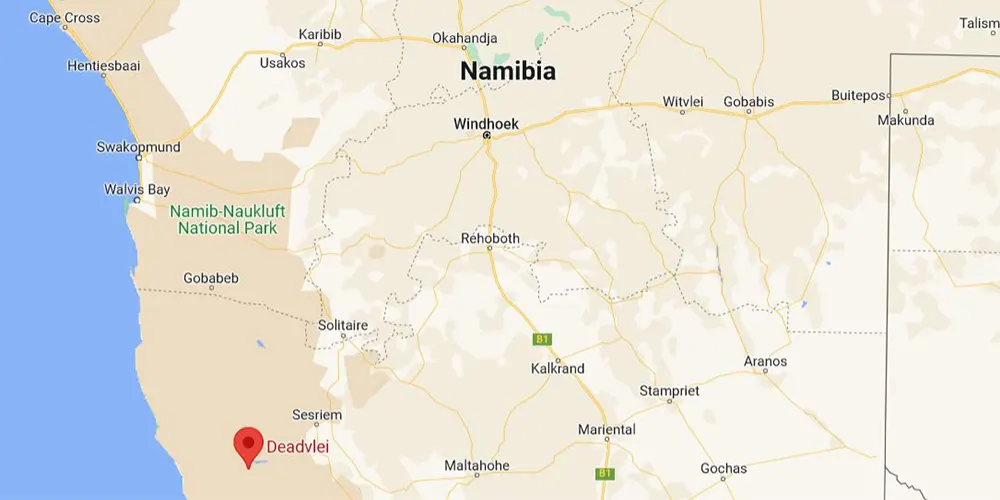
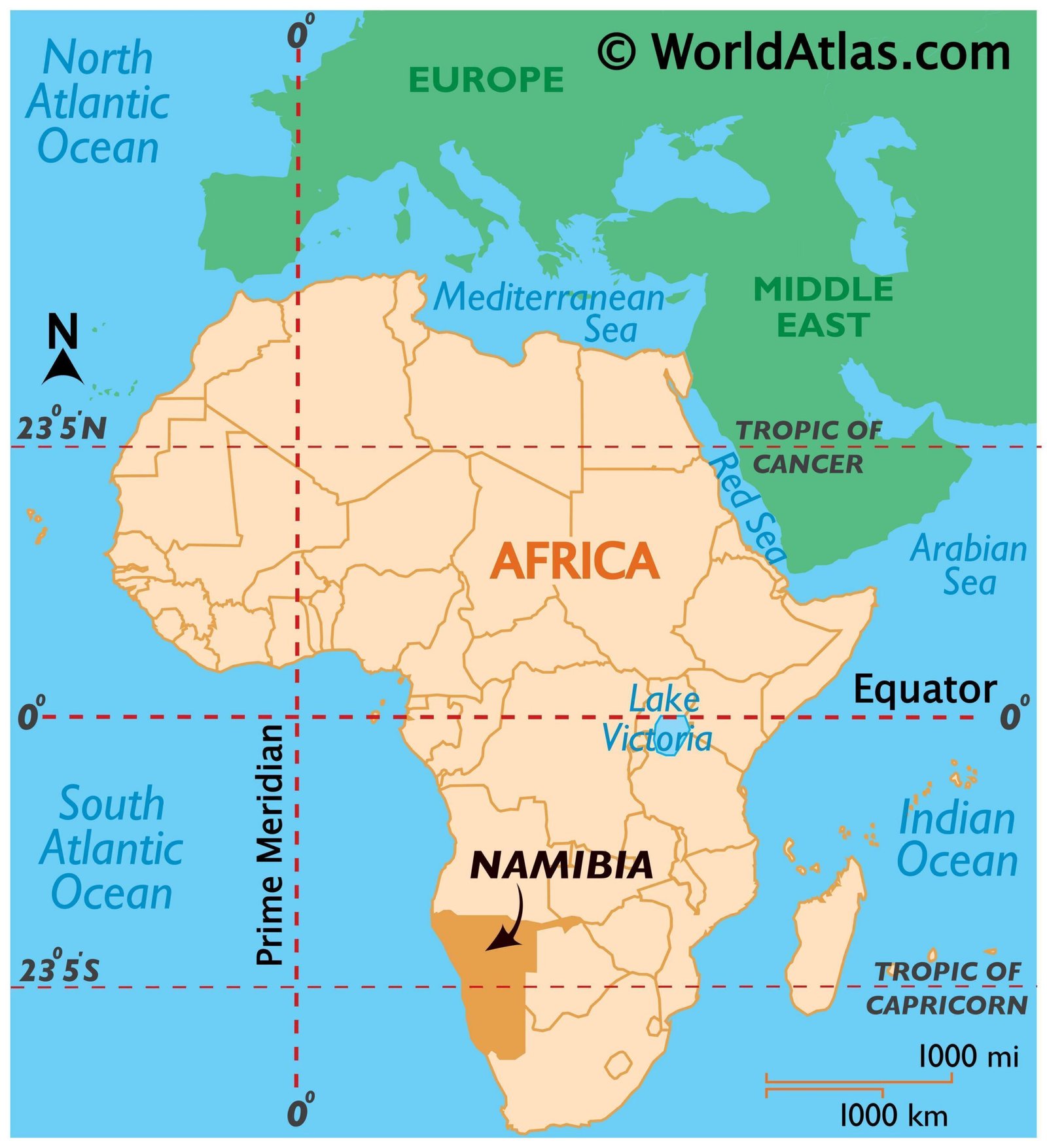
Deadvlei sits within the larger Sossusvlei area, a region renowned for some of the highest sand dunes in the world, in Namibia, Africa. The pan itself is a flat basin of pale clay, cracked and desiccated, stretching out in a surreal tableau that feels almost otherworldly.
The trees, believed to be over 600 years old, have not decomposed due to the extreme aridity; instead, they have been scorched black by the sun, preserved in time like natural sculptures.
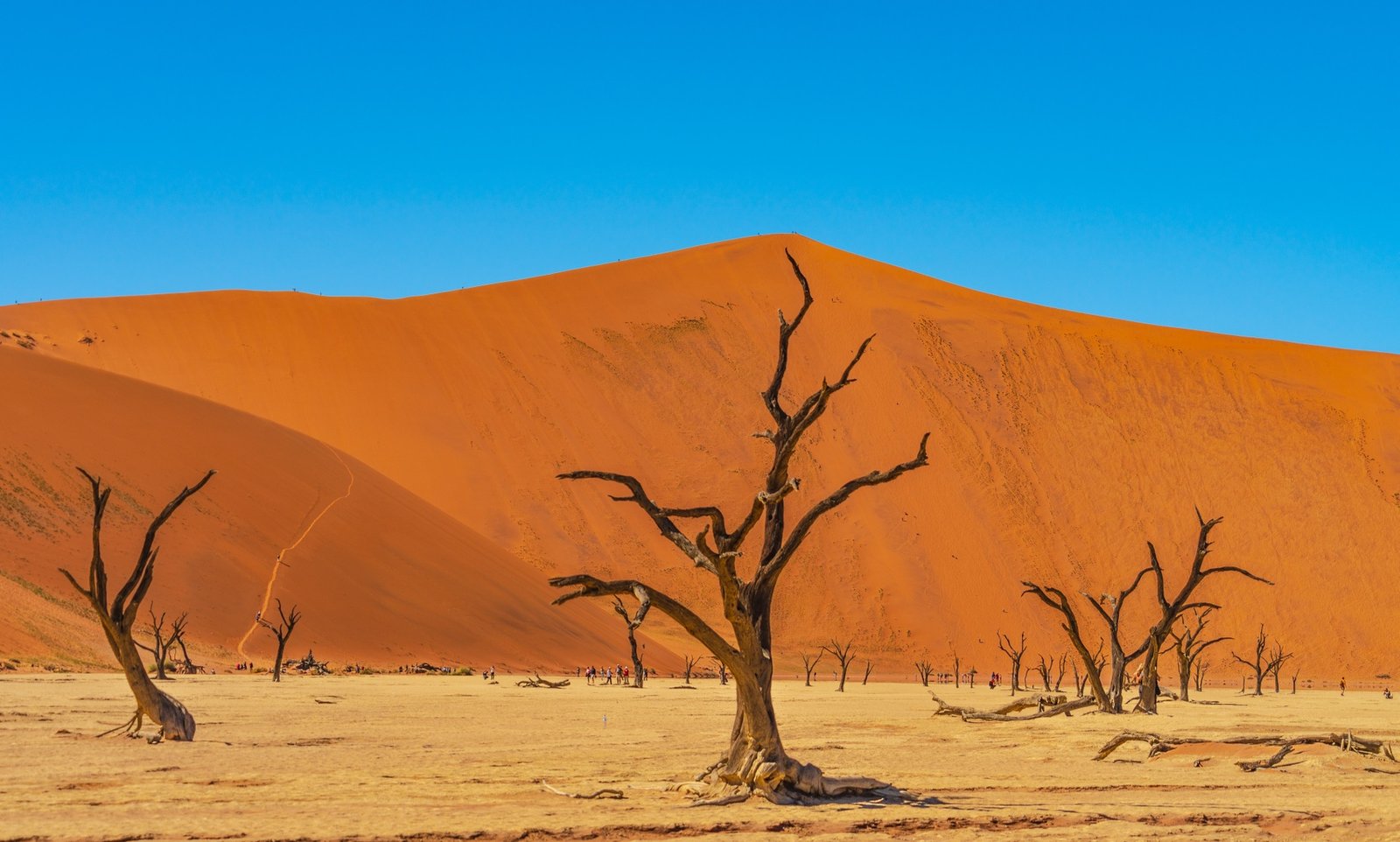
The formation of Deadvlei is a story written in sand, water, and shifting climate. Centuries ago, the Tsauchab River flowed through this desert, bringing seasonal floods that allowed acacia trees to take root and thrive. This rare presence of water in such an inhospitable environment created a temporary oasis, where life briefly flourished amid the dunes. However, over time, the relentless movement of sand dunes—driven by prevailing coastal winds—encroached upon the river’s path.
Eventually, a massive dune blocked the Tsauchab River’s course, cutting off the water supply to the marsh. Without water, the trees died, their lifeless trunks left standing as silent witnesses to a dramatic environmental shift. The clay pan baked under the intense desert sun, hardening into the cracked surface seen today. What remains is a fossilised landscape, a moment of ecological transition frozen for centuries.
Visiting Deadvlei
Visiting Deadvlei today is both an adventure and a study in contrasts. Located within Namib-Naukluft National Park, it is accessible via the gateway settlement of Sesriem. Travelers typically begin their journey before dawn, driving along a paved road that cuts through the desert toward Sossusvlei. The early start is essential, not only to avoid the punishing midday heat but to witness the dunes glowing in shades of amber and crimson as the sun rises.
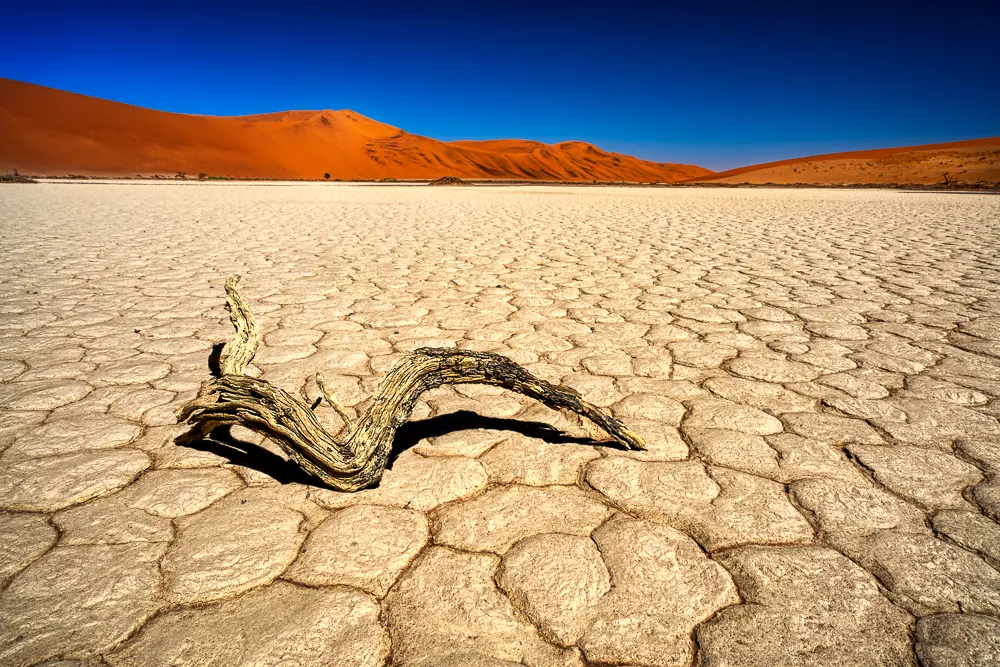
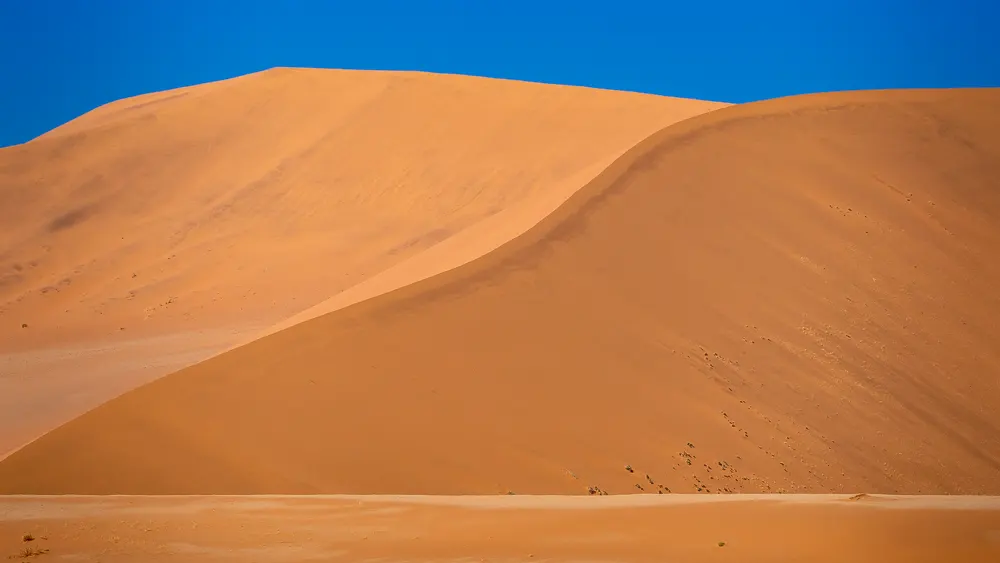
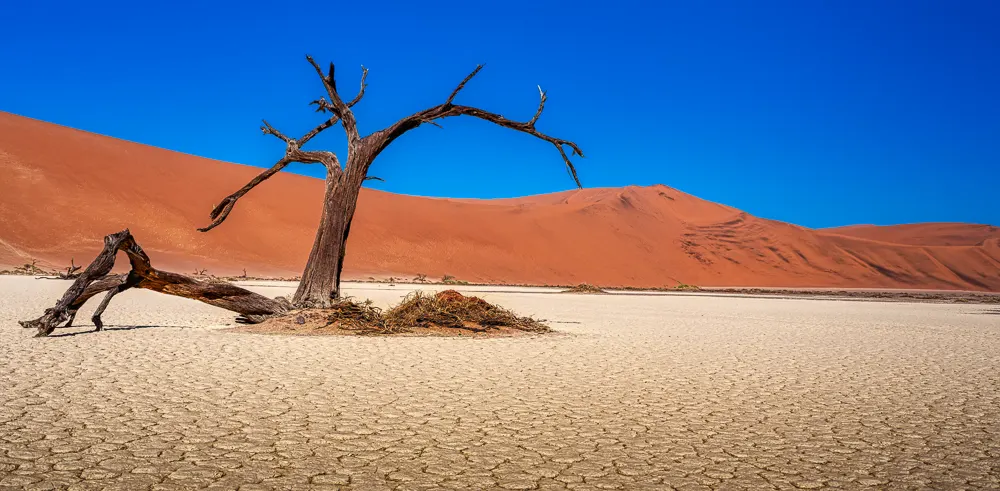
The final stretch to Deadvlei requires a 4×4 vehicle or a shuttle transfer, followed by a short walk across soft sand. As visitors crest the last dune, the view reveals itself suddenly and dramatically: a luminous white pan scattered with dark, skeletal trees, framed by some of the tallest dunes on Earth, including the iconic Big Daddy Dune.
Despite its starkness, Deadvlei is not devoid of life. Insects, birds, and occasional desert-adapted mammals navigate this harsh environment, demonstrating resilience in extreme conditions. Yet it is the silence that leaves the deepest impression. There is no rustle of leaves, no sound of flowing water—only the whisper of wind across sand and the vast, open sky.
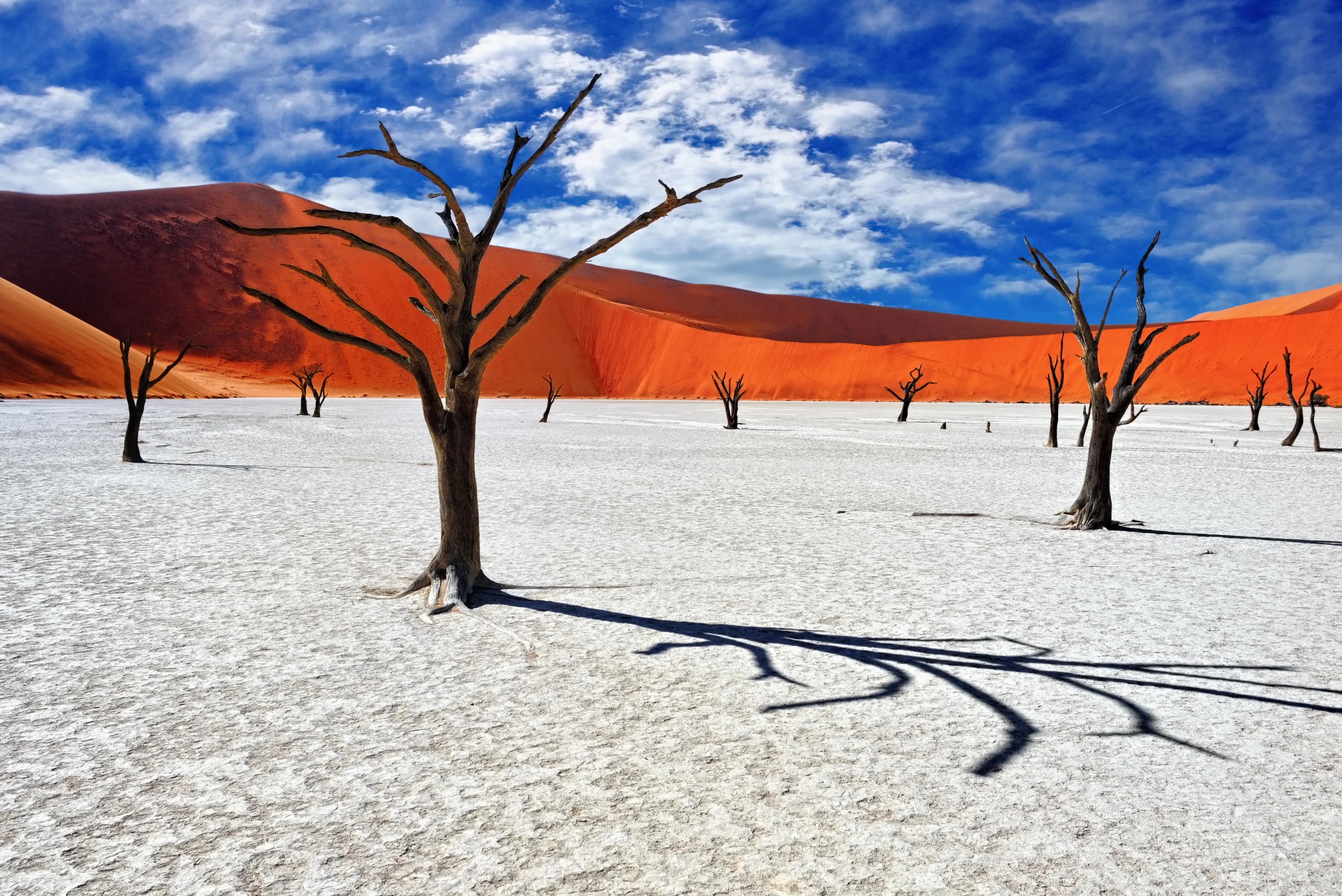
Deadvlei is more than a destination; it is a visual chronicle of geological and climatic forces at work. It invites contemplation of time on a scale far beyond human experience, where rivers vanish, dunes migrate, and life leaves behind enduring traces in the most improbable of places.
Leave a Reply