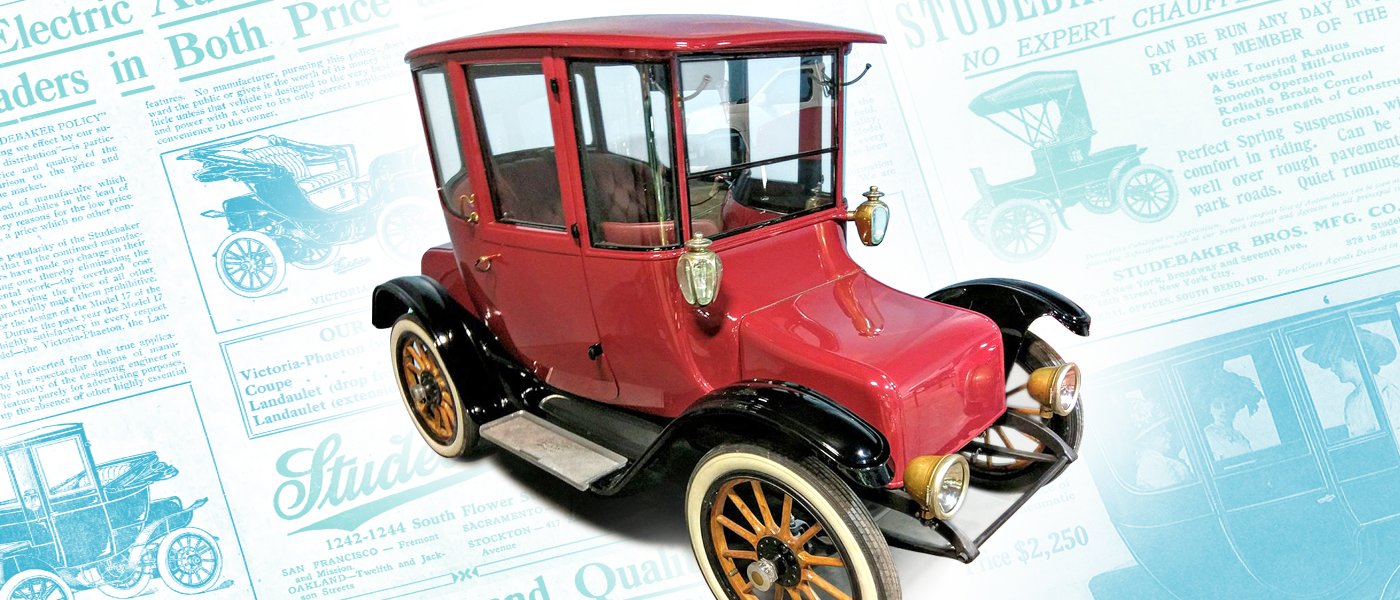

In the late nineteenth and early twentieth centuries, electricity was widely seen as the most refined and practical means of propulsion, offering a clean, quiet alternative to the noisy, temperamental internal combustion engine and the labour-intensive steam car.
For a brief but significant period, electric vehicles stood at the forefront of personal transport innovation.
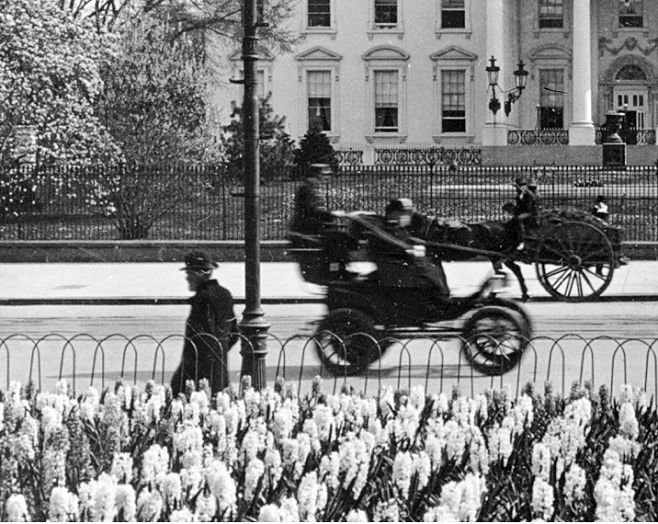
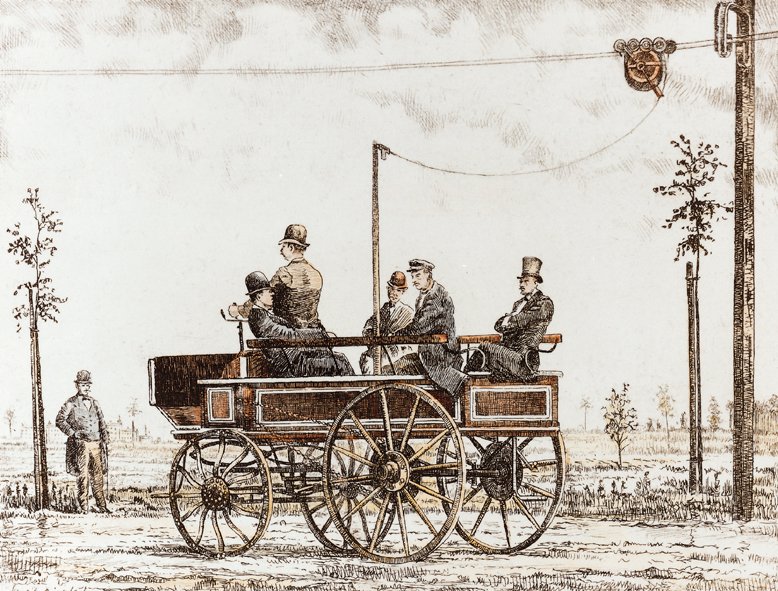
The roots of the electric car stretch back to the 1830s and 1840s, when inventors in Europe and America experimented with primitive battery-powered carriages.
These early efforts were limited by rudimentary battery technology, but by the 1880s and 1890s, advances in rechargeable lead-acid batteries made electric road vehicles viable. In urban centres, where distances were short and infrastructure was improving, electric cars quickly found a niche.
Electric timeline
Early Prototypes (1830s-1840s)
Robert Anderson (Scotland) used non-rechargeable primary cells. Others included Thomas Davenport (US) and Professor Sibrandus Stratingh (Holland).
The Turning Point (1859)
French physicist Gaston Planté invented the rechargeable lead-acid battery, making electric vehicles practical.
First Practical/Production Cars (1880s)
- 1884: English inventor Thomas Parker built a production electric car using his own high-capacity rechargeable batteries.
- 1888: German engineer Andreas Flocken built the Flocken Elektrowagen, considered by many to be the first true electric car, featuring four wheels.
American Entry (1890s)
William Morrison built a successful six-passenger electric wagon in Des Moines, Iowa, around 1890–1891, featuring a 50-mile range and a top speed of 20mph.
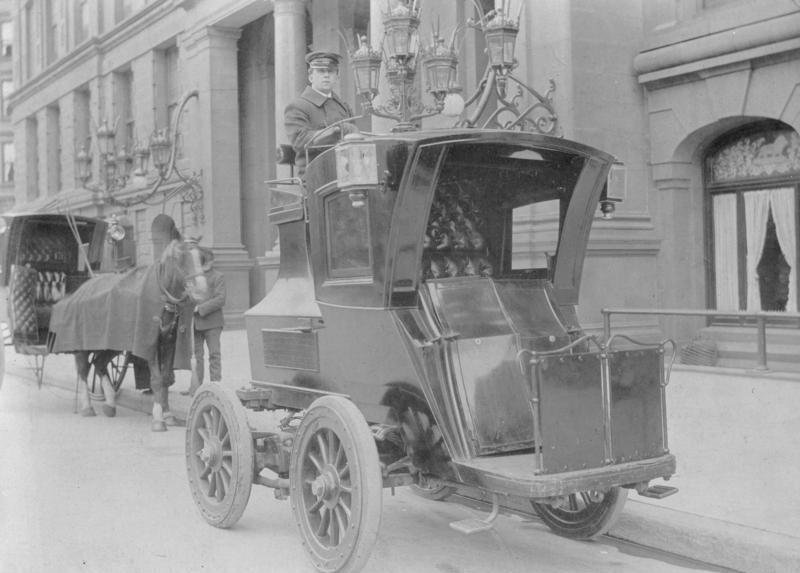
By the turn of the twentieth century, electric vehicles were among the most popular automobiles on the road. In cities such as New York, London, and Paris, they were favoured for their ease of use.
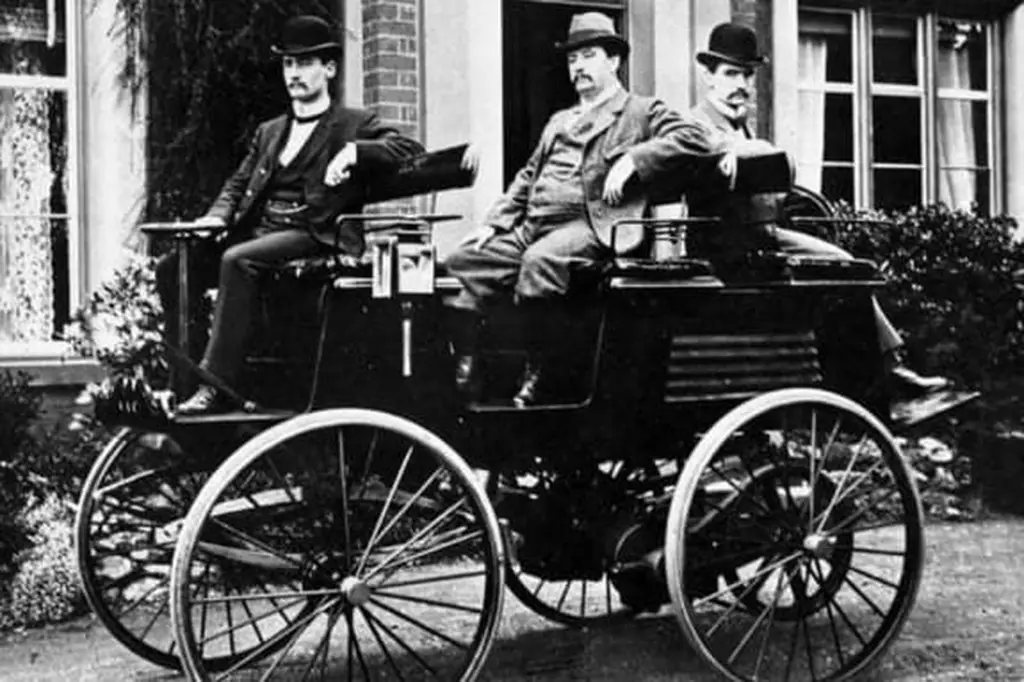
Unlike petrol cars, they required no hand-cranking to start, a process that could be physically demanding and even dangerous. Electric cars produced no exhaust fumes, making them particularly attractive in densely populated areas where air quality was already a concern.
Electric cars produced no exhaust fumes, making them particularly attractive in densely populated areas where air quality was already a concern
Their operation was smooth and nearly silent, qualities that appealed to a clientele seeking comfort and refinement rather than mechanical bravado.
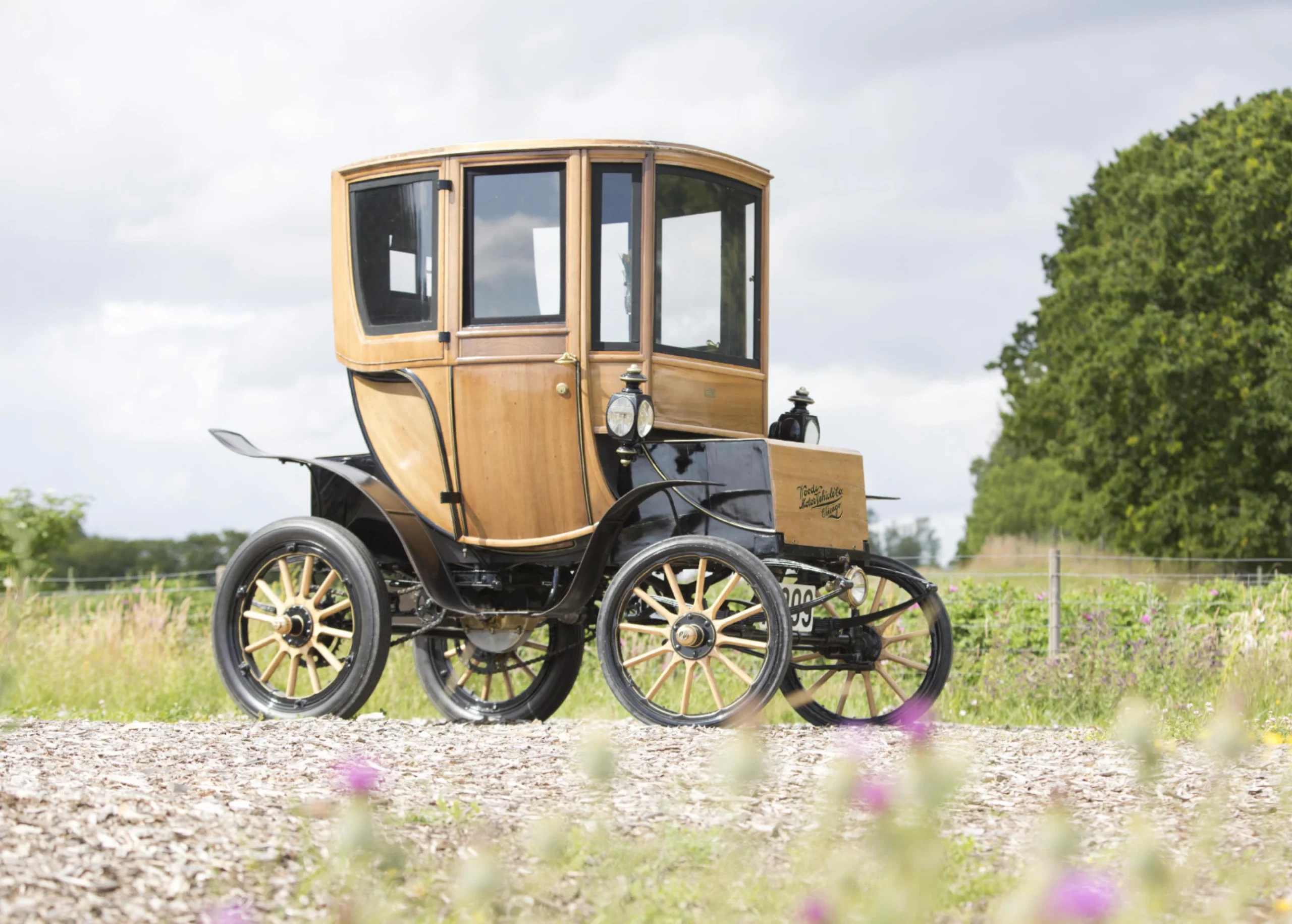
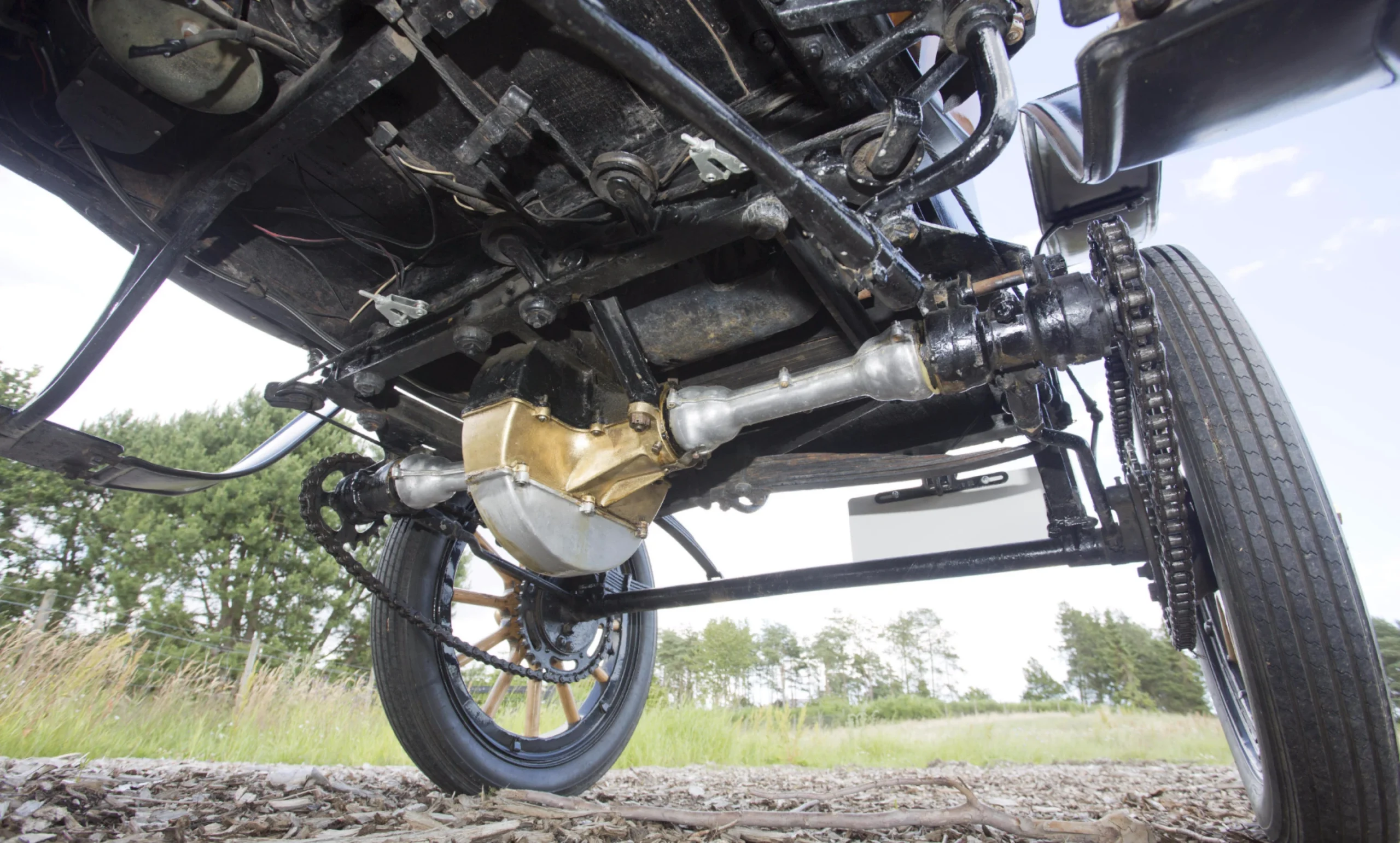
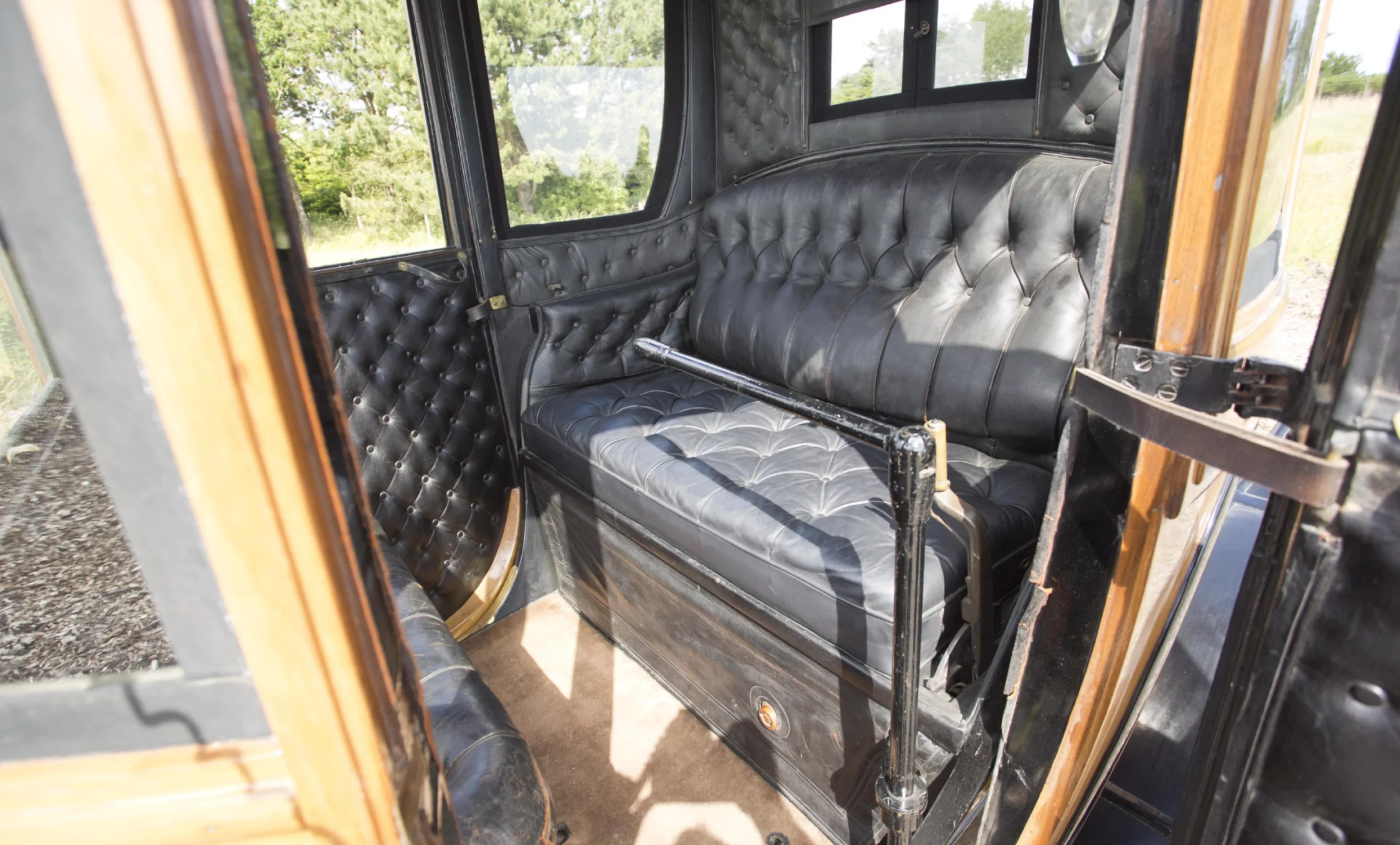
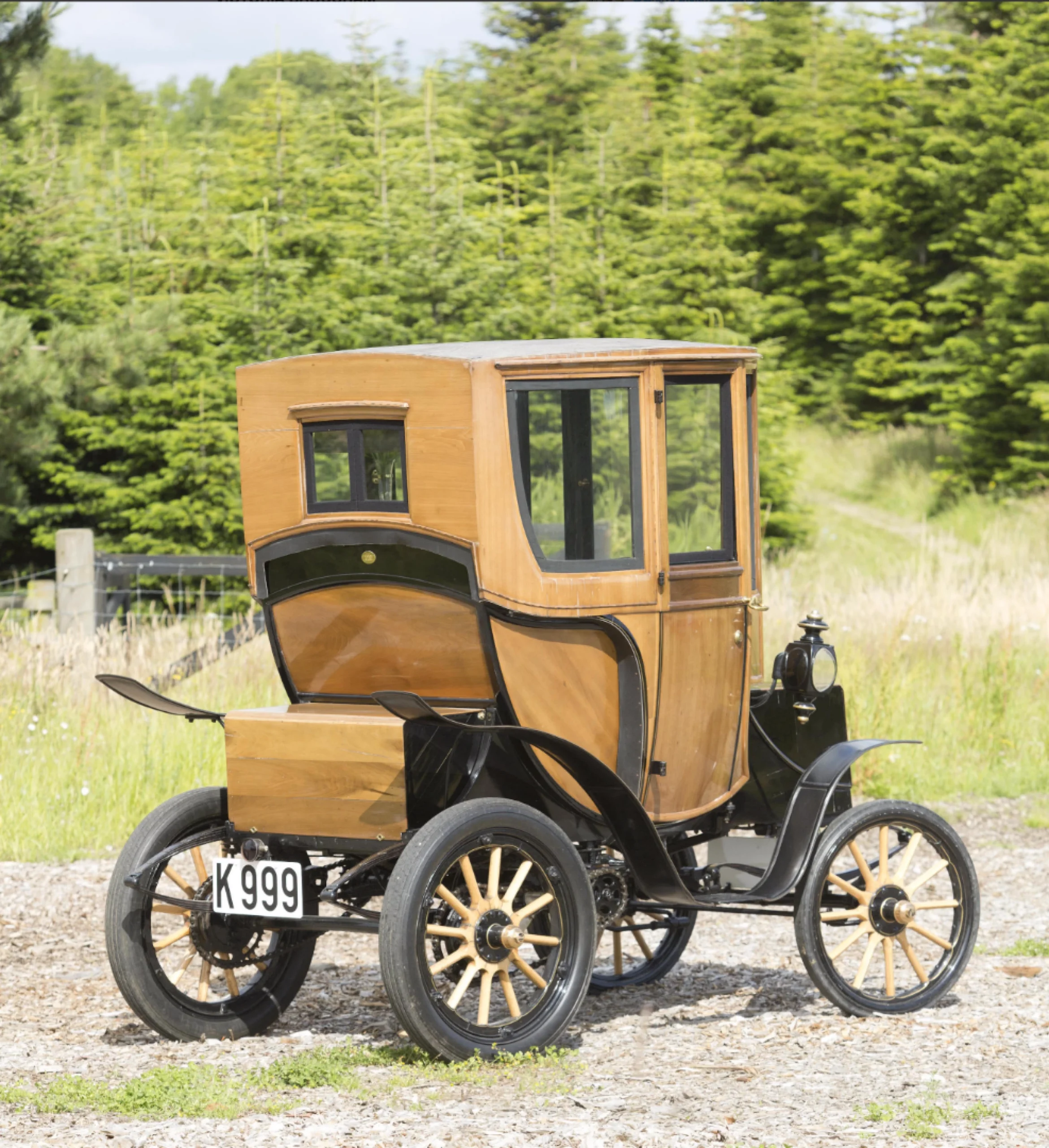
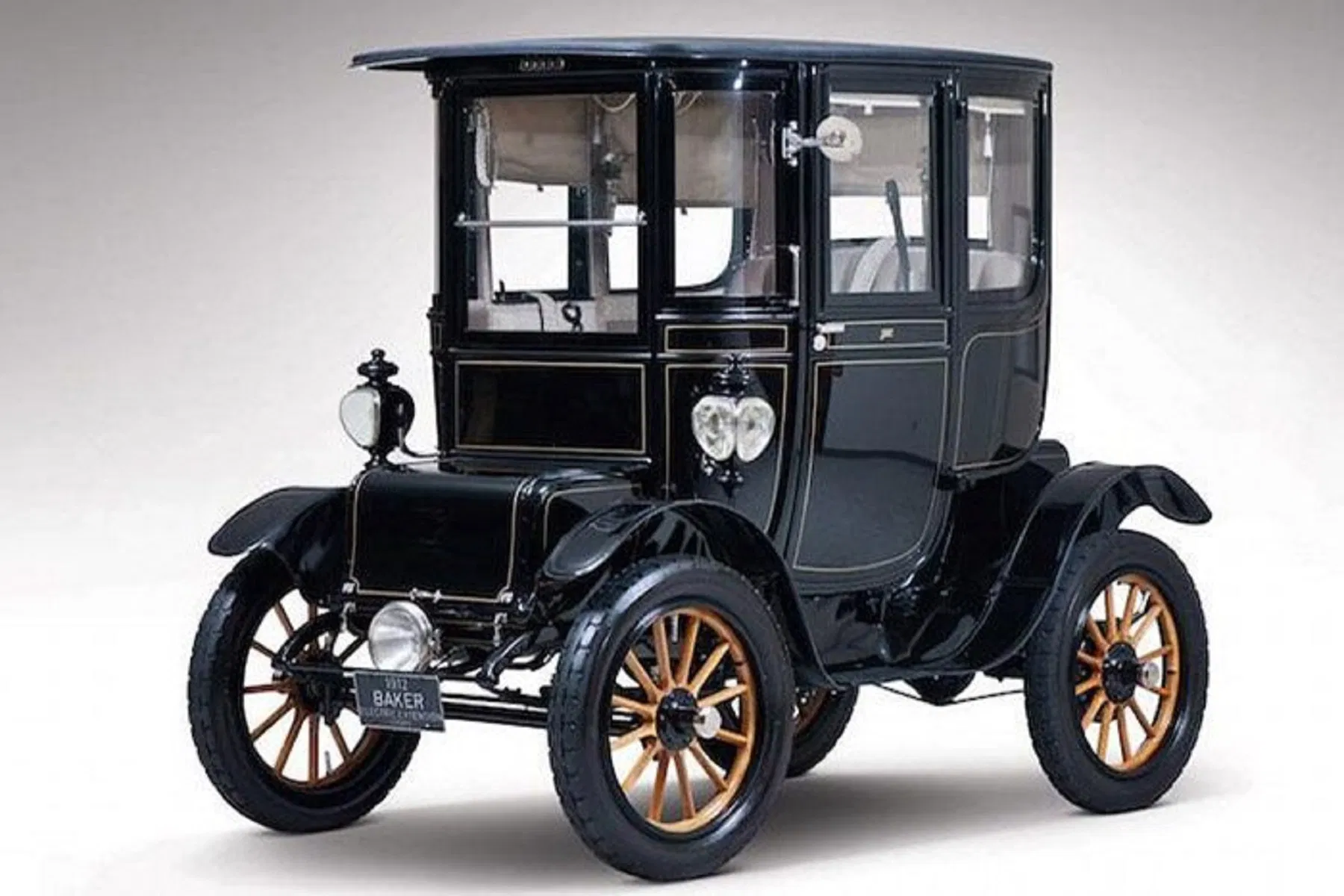
Manufacturers such as Baker Electric, Columbia Electric, and Detroit Electric produced a range of vehicles, from elegant town cars to practical runabouts. These cars often featured enclosed cabins, upholstered interiors, and intuitive controls.
They were especially popular among wealthy urban residents and, notably, among women drivers, as they were considered easier and cleaner to operate than their petrol counterparts.
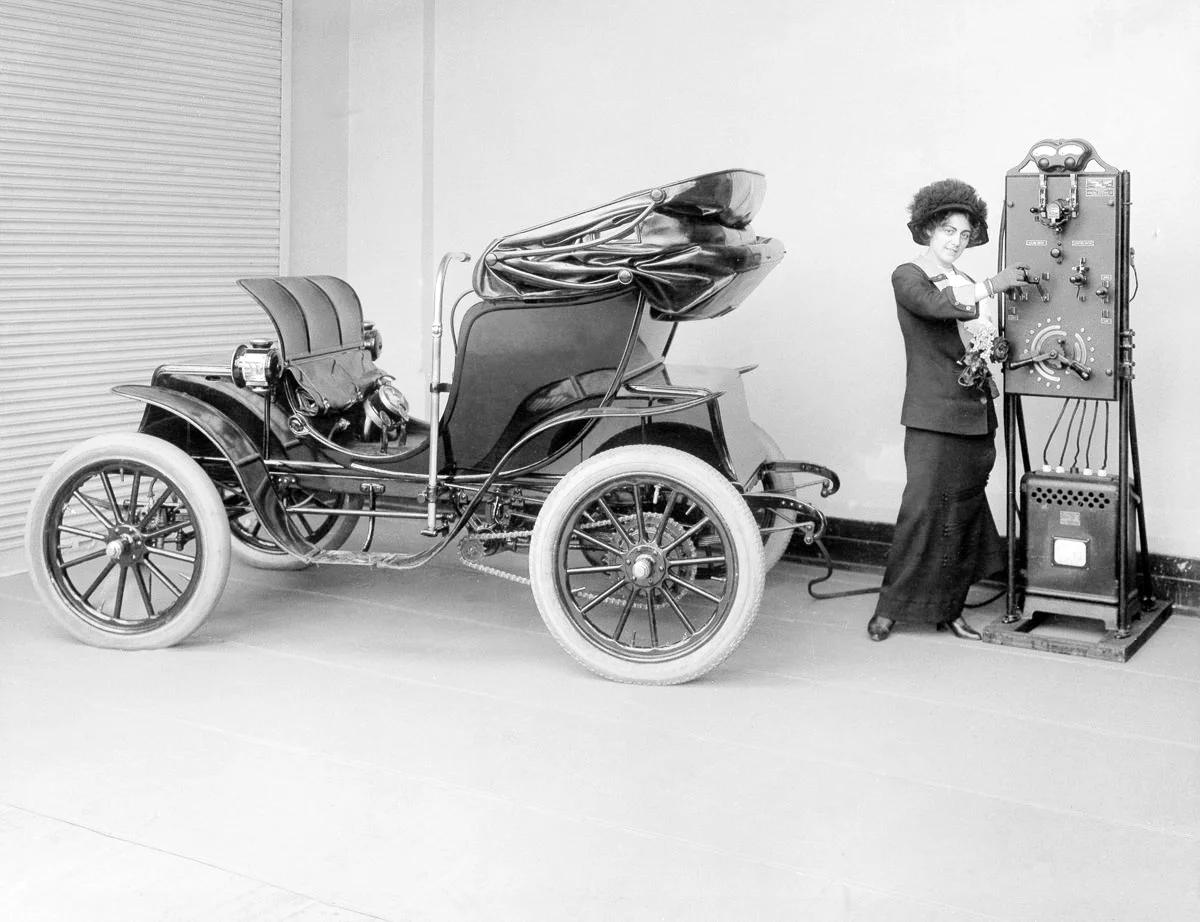
Despite their early promise, electric cars faced significant limitations. Chief among these was range. Most early electric vehicles could travel between 30 and 80 miles on a single charge, depending on conditions and battery capacity.
Recharging was a slow process, often taking several hours, and charging infrastructure was limited outside urban areas. This made electric cars less suitable for long-distance travel, which was becoming increasingly desirable as road networks expanded.
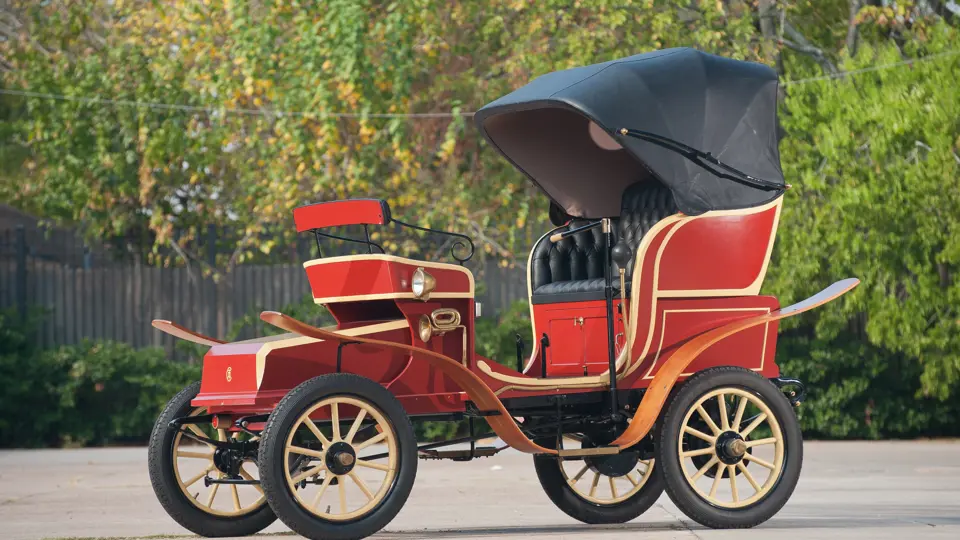
At the same time, developments in internal combustion technology began to erode the advantages held by electric vehicles. The introduction of the electric starter motor in 1912 eliminated the need for hand-cranking, removing one of the key disadvantages of petrol cars.
Improvements in fuel efficiency, combined with the discovery of abundant petroleum reserves, made petrol cheaper and more accessible. Henry Ford’s mass production techniques drastically reduced the cost of gasoline-powered cars, placing them within reach of a much broader segment of the population.
Electric vehicles, by contrast, remained relatively expensive to produce. Their reliance on heavy, costly batteries limited both performance and affordability. As consumer preferences shifted toward greater range, speed, and versatility, petrol-powered cars became the dominant form of personal transport.
Uber who?
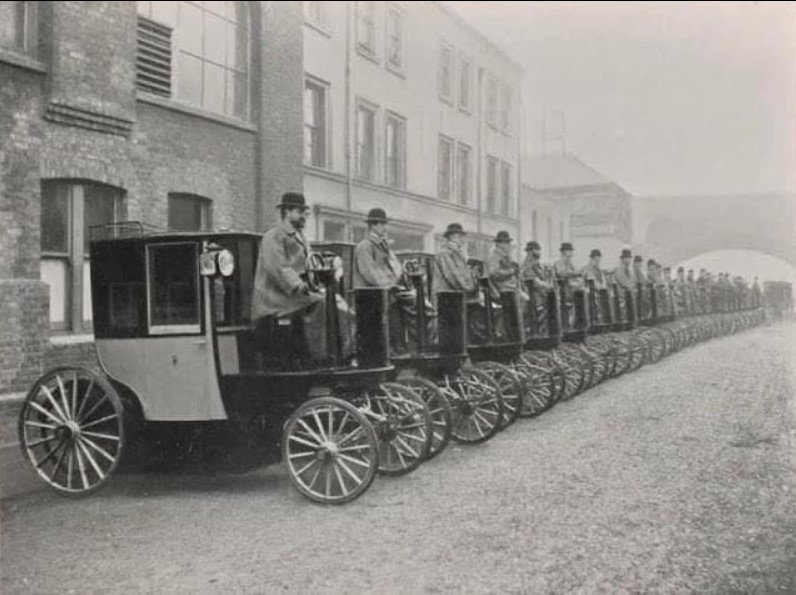
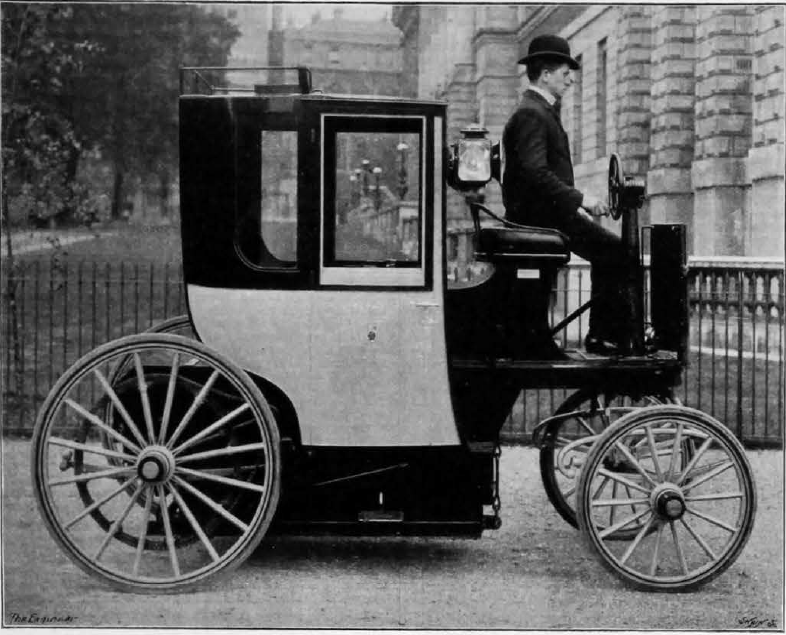
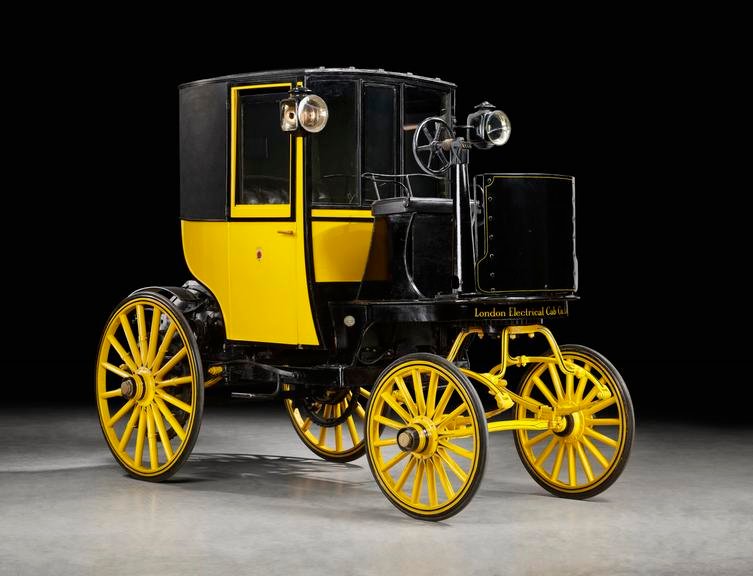
By the 1920s, electric cars had largely disappeared from mainstream use, relegated to niche applications such as delivery vehicles and industrial transport. Their decline was not due to a single failing, but rather a convergence of technological, economic, and social factors that favoured the rapid rise of the internal combustion engine.
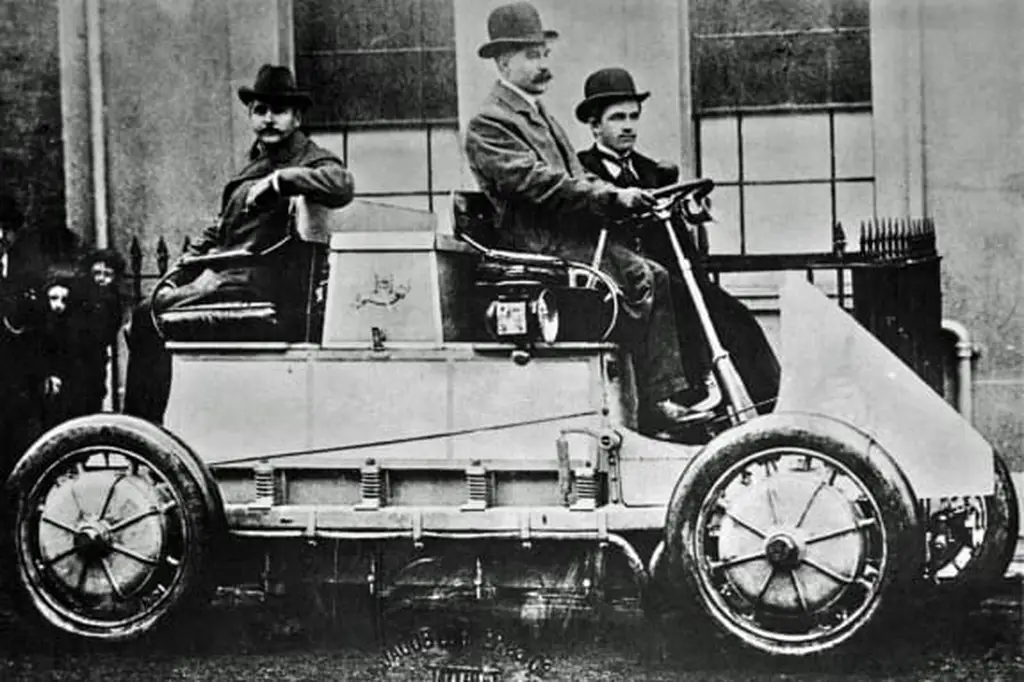
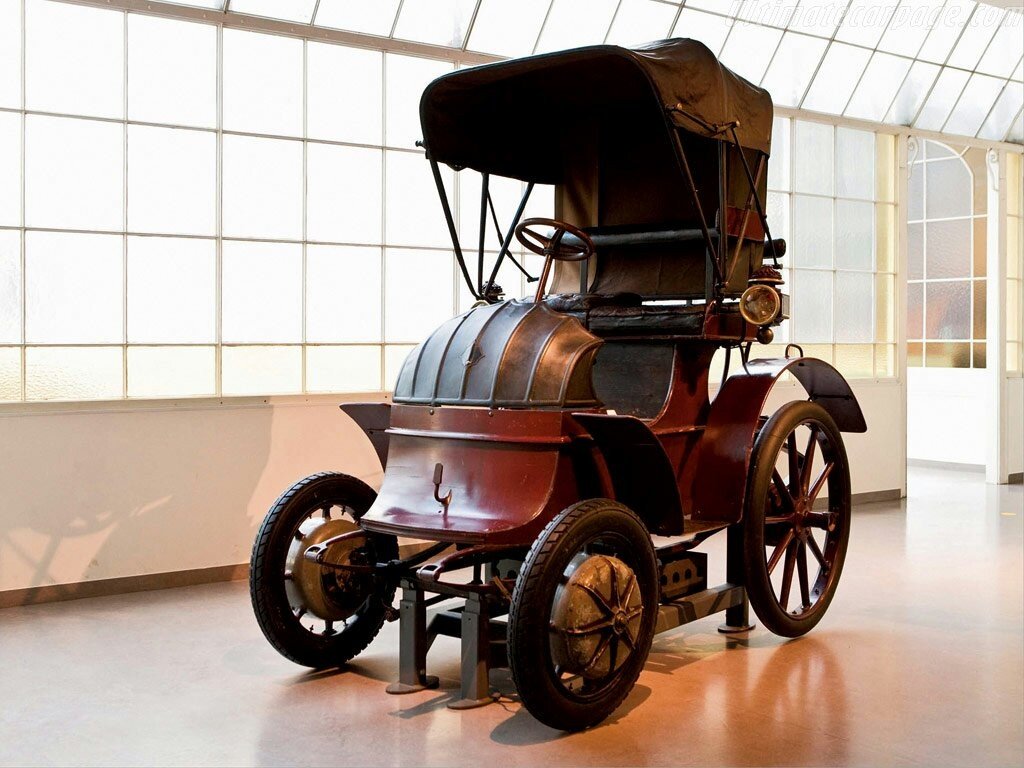
Yet the legacy of these early electric vehicles is profound. They demonstrated the viability of electric propulsion long before the modern era and established many of the principles that underpin today’s electric cars. Concepts such as regenerative braking, battery management, and electric drivetrains all have their conceptual origins in this pioneering period.
In retrospect, the early electric car was not a failed experiment but a technology ahead of its time, constrained by the limitations of contemporary materials and infrastructure. Today’s resurgence of electric vehicles, driven by advances in battery technology and renewed environmental concerns, represents not a new direction but a continuation of a path first explored over a century ago.
Leave a Reply