
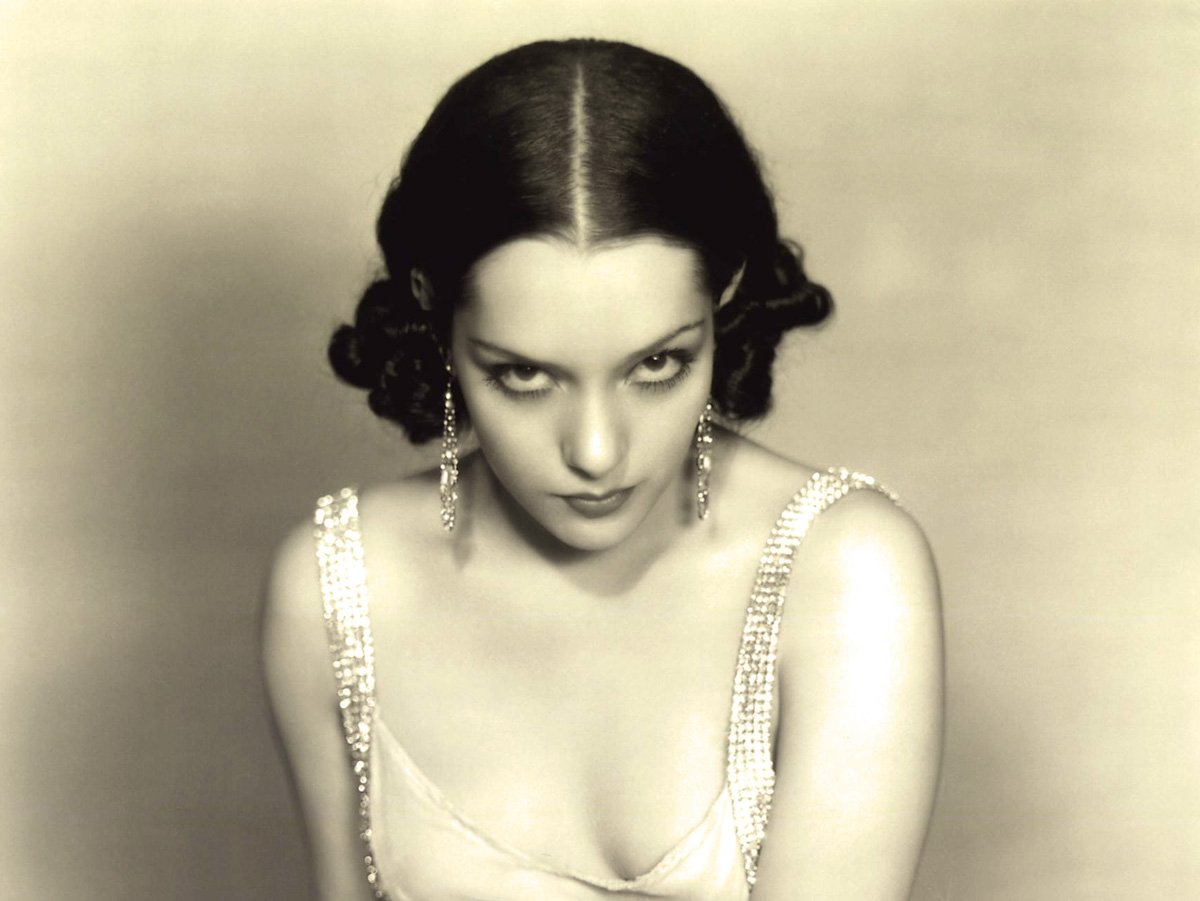

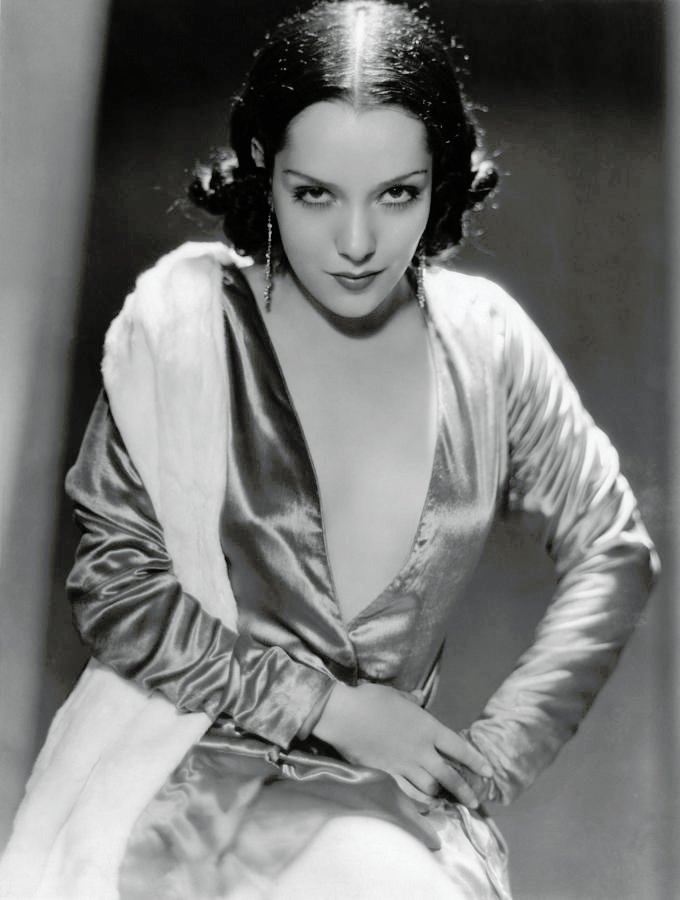
María Guadalupe Villalobos Vélez, known simply as Lupe Vélez, was one of Hollywood’s first major Mexican film stars and a true cultural phenomenon of the 1920s and 1930s. Fierce, funny, and notoriously volatile, she earned the moniker ‘The Mexican Spitfire’.
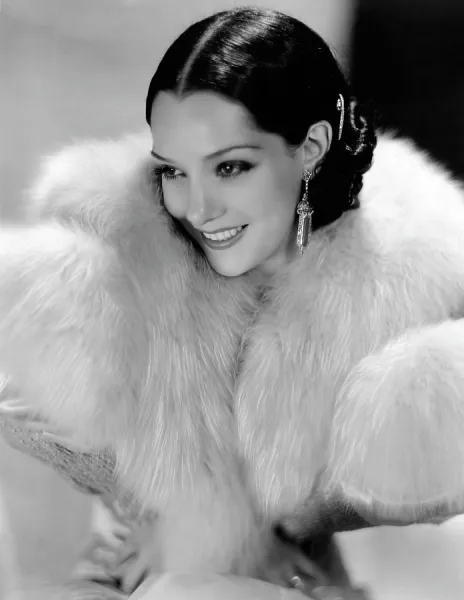
That nickname that both defined and ultimately confined her career. Her brief life was marked by dazzling fame, tempestuous romances, and a tragic, dramatic end, cementing her place as an enduring, complex figure in cinema history.
The journey to Hollywood stardom
Born on July 18, 1908, in San Luis Potosí, Mexico, Lupe Vélez came from a middle-class family; her father was a colonel in the Mexican army, and her mother was a stage performer.
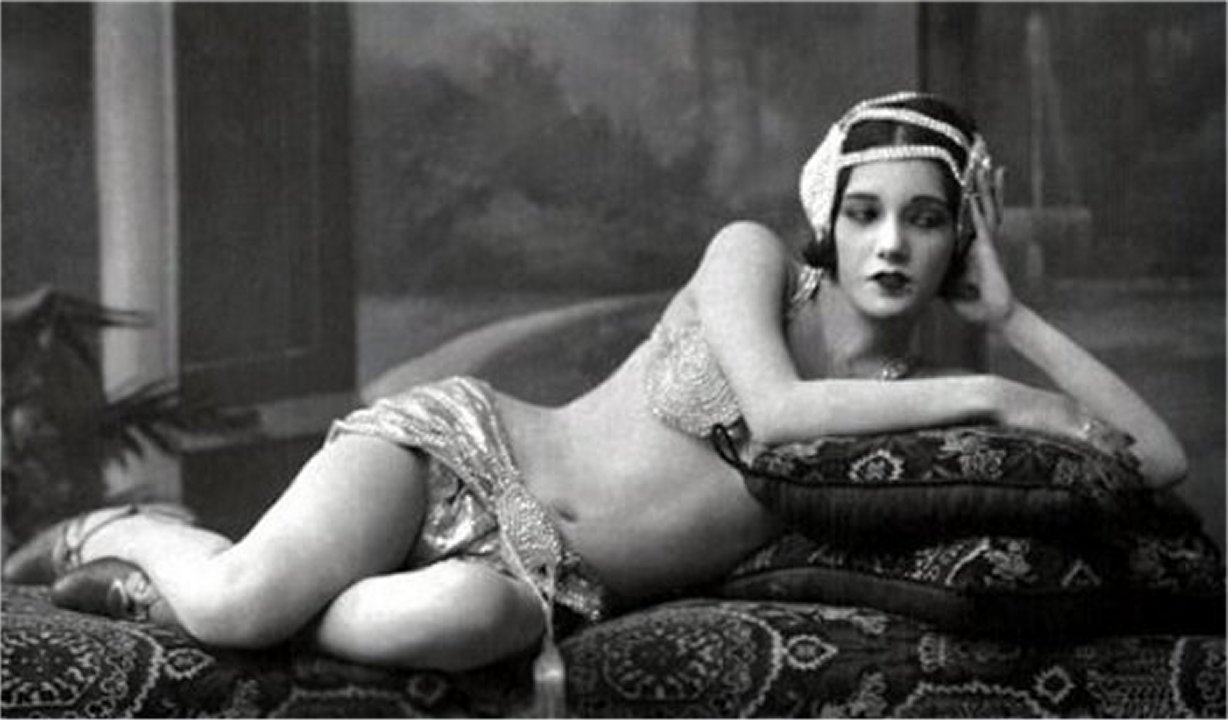
At the age of 13, she was sent to a convent school in San Antonio, Texas, to learn English and gain a proper education. Upon her return to Mexico City, however, Vélez soon gravitated toward the stage, working as a dancer and appearing in vaudeville-style reviews, quickly becoming known for her charisma and vibrant, uninhibited performances.
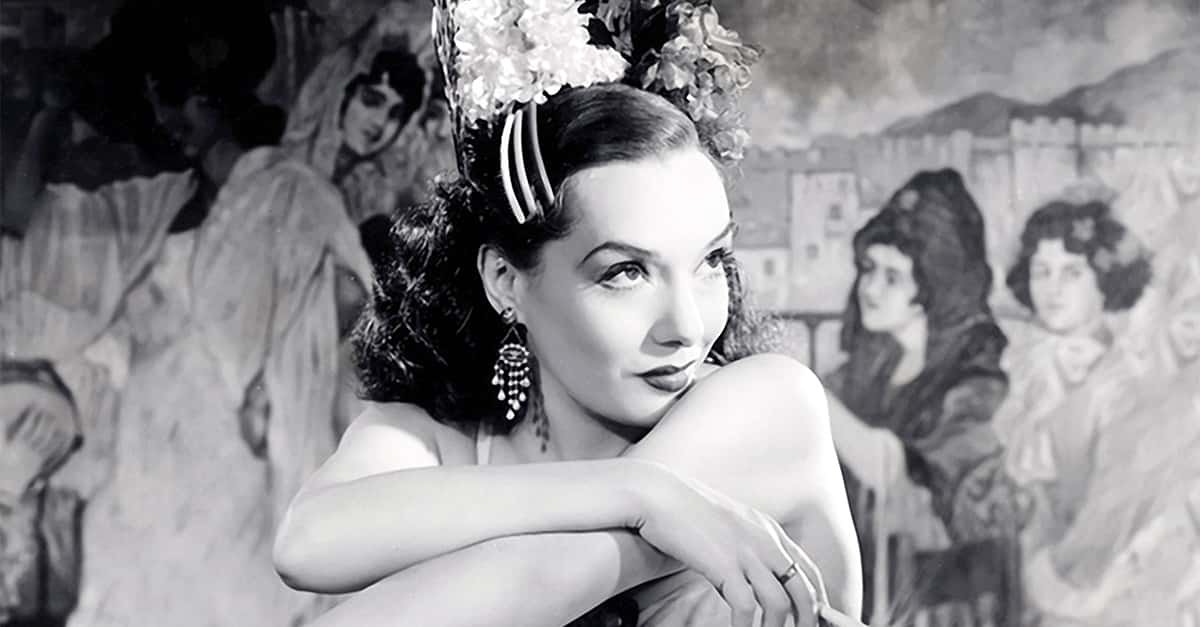
In 1925, she made the decisive move to the United States, initially landing in Los Angeles with ambitions of working in films. Her breakthrough came quickly. She was spotted by the comedy producer Hal Roach, who gave her early parts.
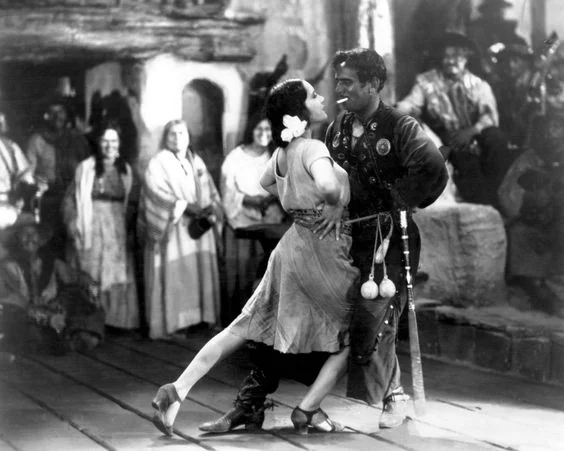
The legendary silent film director D.W. Griffith soon took notice of her raw talent, but it was Douglas Fairbanks who gave her the role that rocketed her to fame: the feisty Mountain Girl opposite his swashbuckling hero in The Gaucho (1927). This role introduced audiences to the Vélez screen persona—a passionate, untamed, and exotic woman—a stereotype she both embraced and transcended.
Embracing the ‘Mexican Spitfire’ persona
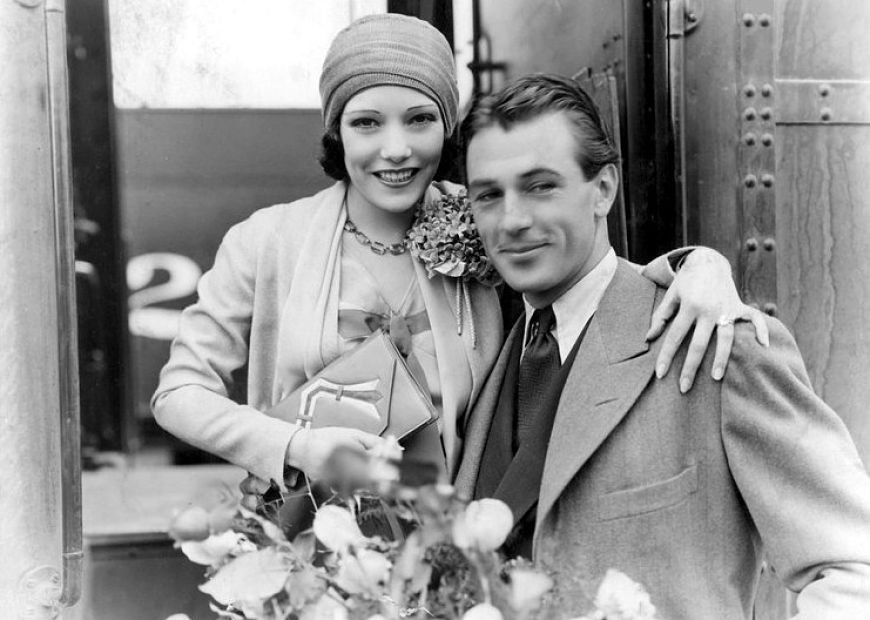
Vélez made a seamless transition to the sound era, unlike many of her silent film contemporaries. Her heavy Mexican accent, vibrant voice, and sharp comedic timing were assets rather than liabilities. Her star power grew with films like The Wolf Song (1929) opposite Gary Cooper and Kliou the Killer (1930).
While immensely popular, Vélez’s career was constantly battling the constraints of Hollywood’s ethnic typecasting. She was often relegated to playing “exotic” women—Spaniards, Native Americans, or island girls—roles that capitalized on her perceived “fiery” temperament. Her persona was an extension of her real-life public image: boisterous, unfiltered, and unapologetically dramatic.
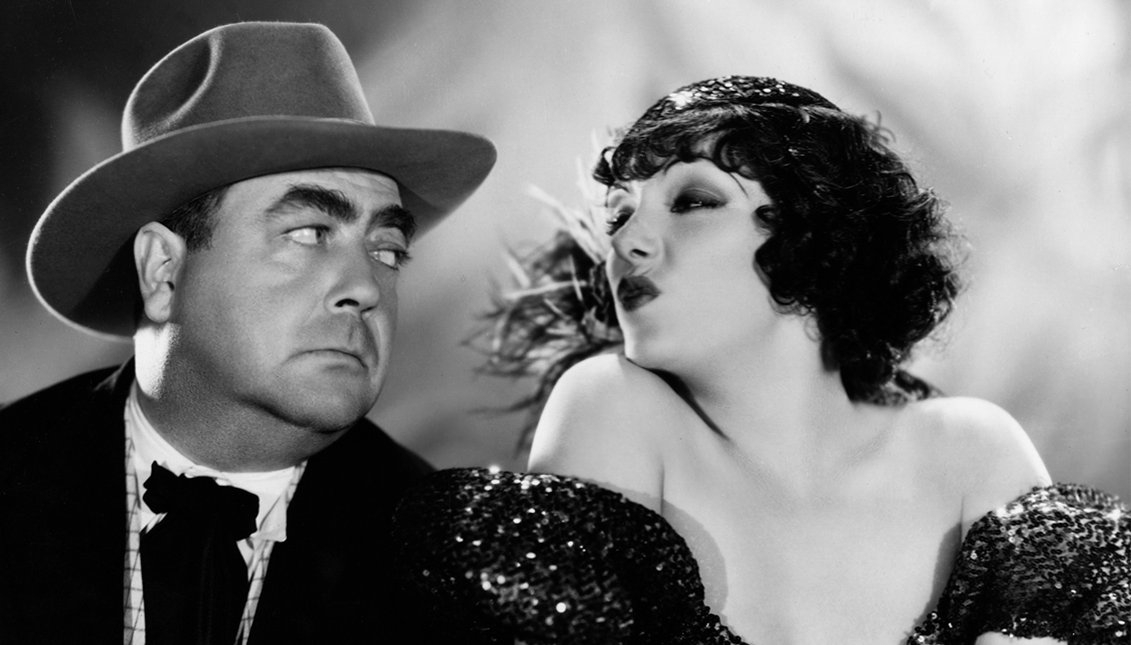
The tabloids devoured her every move, highlighting her frequent public outbursts, fights with co-stars, and unbridled honesty. She was famous for speaking her mind, often using profane language and engaging in loud, physical arguments, which earned her a reputation as the most volatile woman in Hollywood—and consequently, a fixture in gossip columns.
Tumultuous personal life and career revival
Vélez’s personal life was a public spectacle. Her high-profile, tumultuous relationship with co-star Gary Cooper was closely followed by the press and famously ended in 1932.
The following year, she married Olympic swimmer and Tarzan star Johnny Weissmuller, creating a union of two of the era’s biggest names. Their six-year marriage (1933–1939) was notoriously volatile, characterized by dramatic public arguments, physical altercations, and repeated separations, further fueling her “spitfire” image.
By the late 1930s, offers for major dramatic or leading roles began to decline. However, Vélez experienced a significant career revival in 1939 when she starred in the B-movie comedy The Girl from Mexico.
The resulting success led to a series of popular, low-budget sequels, all featuring her boisterous, broken-English character, which definitively established her brand: Mexican Spitfire (1940), Mexican Spitfire Out West (1940), and five subsequent films. While critically derided, the series was a massive financial success and kept her working consistently.
A tragic and contested end
In her final years, Vélez struggled with loneliness and the pressure of maintaining her public image. Her last significant relationship was with a minor actor named Harald Ramond. In 1944, Vélez, then 36, discovered she was pregnant with Ramond’s child. Ramond refused to marry her, fearing the scandal would ruin his career. Unwilling to bear a child out of wedlock in that conservative era, and distraught by the thought of abortion, Vélez decided to take her own life.

On December 14, 1944, Lupe Vélez prepared a final, extravagant scene. She dressed in her finest silk pajamas, surrounded herself with flowers and candles, and wrote several suicide notes before ingesting a massive dose of Seconal.
Her intention was to die peacefully, a final dramatic flourish. However, due to the extreme dosage and a severe reaction, she became violently ill and tragically died near her bathroom floor, not in the peaceful manner she had planned.
This unglamorous detail of her death—a contrast to her planned final scene—was exaggerated by Hollywood lore and became the basis for a morbid, and wildly inaccurate, urban legend (memorably parodied in The Simpsons) that persists to this day.
Despite the tragic circumstances, Lupe Vélez left behind a legacy as a trailblazer—a Latina star who demonstrated a captivating and enduring screen presence that broke barriers, even if the industry struggled to look past her tempestuous, self-created “Mexican Spitfire” façade.

















Leave a Reply