
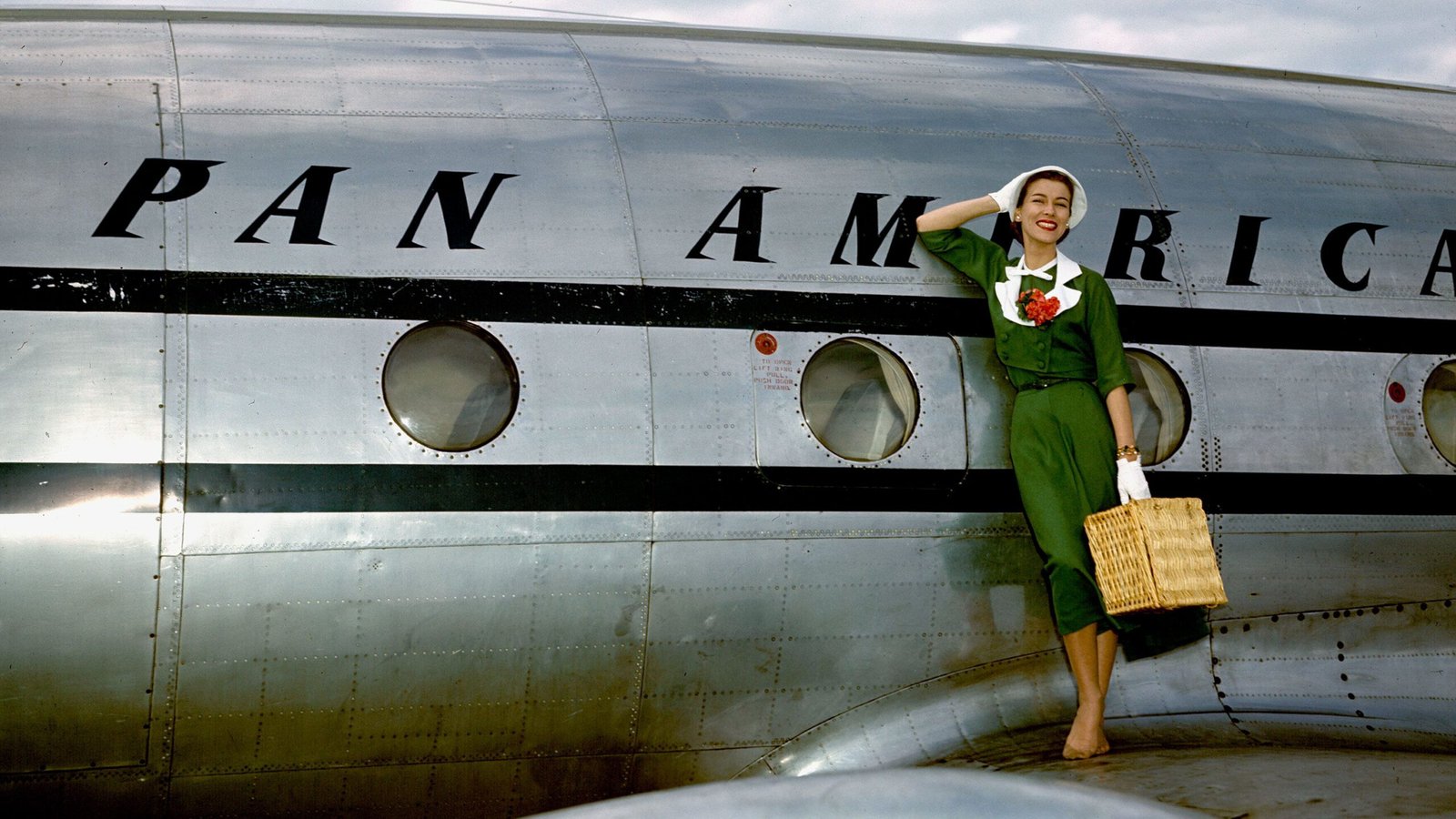

Few corporate names evoke the romance and ambition of twentieth-century aviation quite like Pan American World Airways. For decades, Pan Am stood not merely as an airline, but as a symbol of modernity itself—an enterprise that stitched continents together and transformed air travel from a daring experiment into a global system.

Pan Am was founded in 1927, at a time when aviation was still in its infancy. Backed by a group of investors and guided by the vision of Juan Trippe, the airline began as a modest venture flying mail between Key West, Florida, and Havana, Cuba.
Yet Trippe’s ambitions were far from modest. He envisioned a network that would span the globe, linking the United States to Latin America, Europe, Asia, and beyond. At a time when most airlines operated domestically, Pan Am was uniquely focused on international routes, positioning itself as America’s gateway to the world.
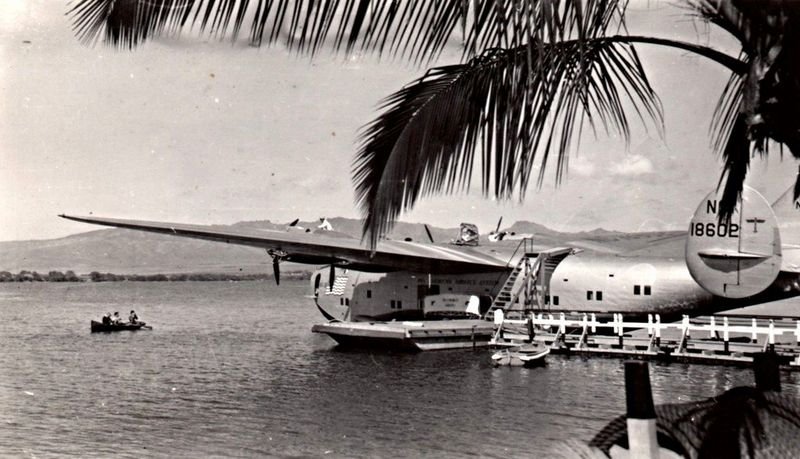
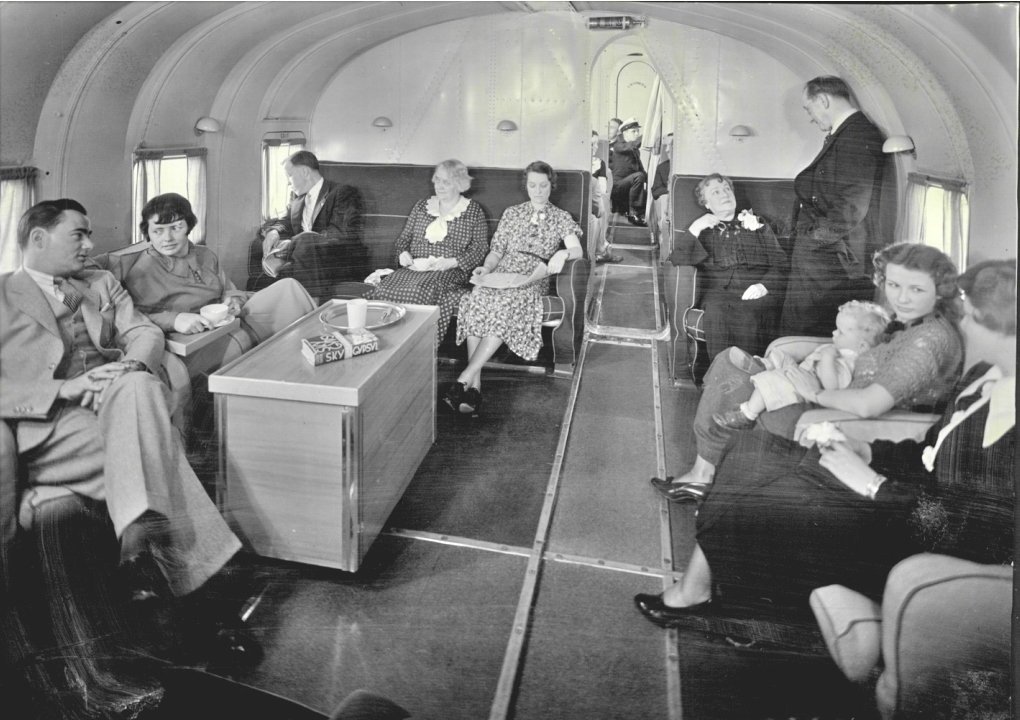
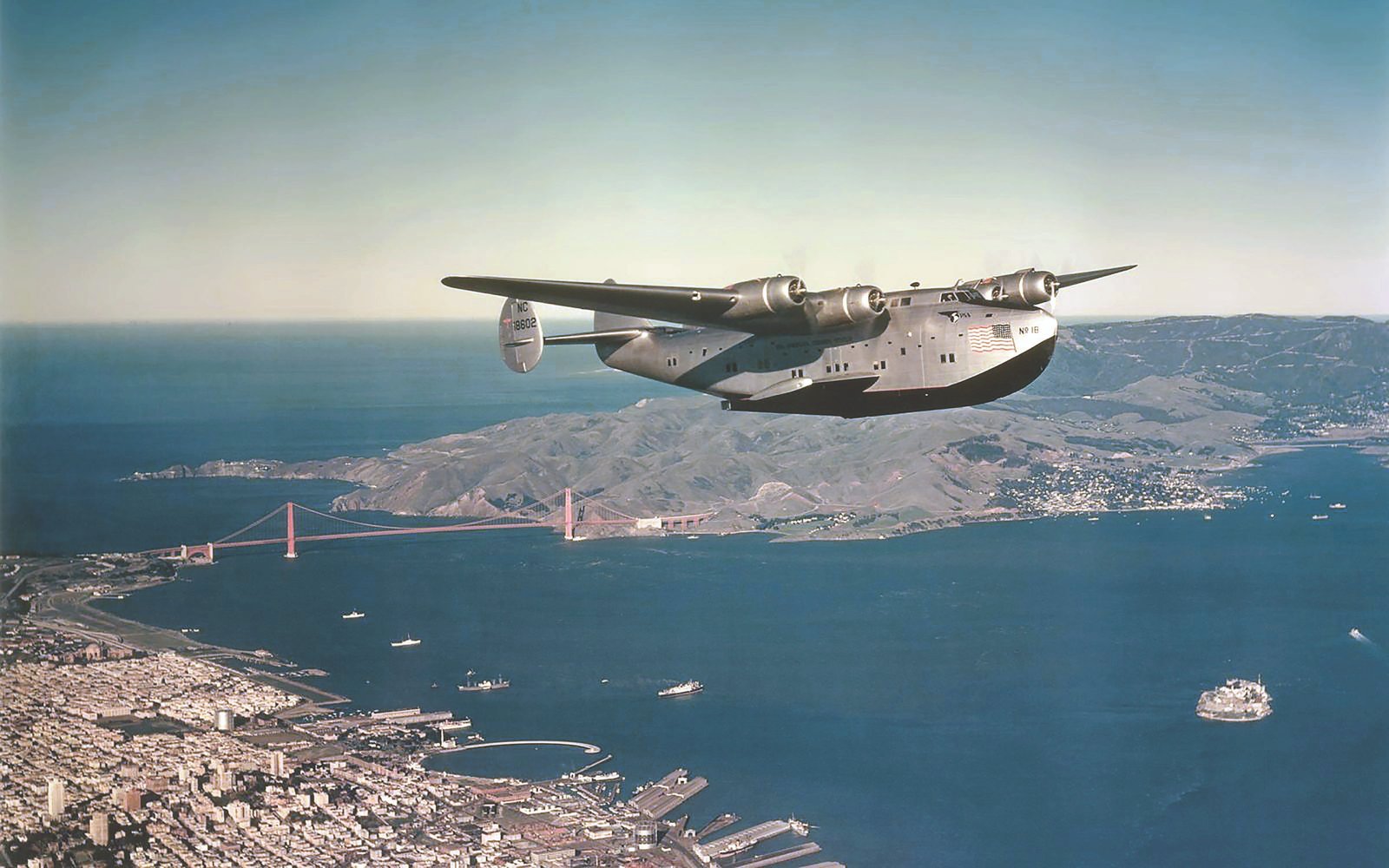
The Boeing Clipper was designed as, essentially, a flying hotel
Throughout the 1930s, Pan Am expanded aggressively across Latin America and the Caribbean, often with strong backing from the U.S. government, which saw aviation as a strategic tool of diplomacy and influence. The airline pioneered long-distance flying boats, most notably the Boeing 314 Clipper, which could cross oceans before the widespread availability of long runways.

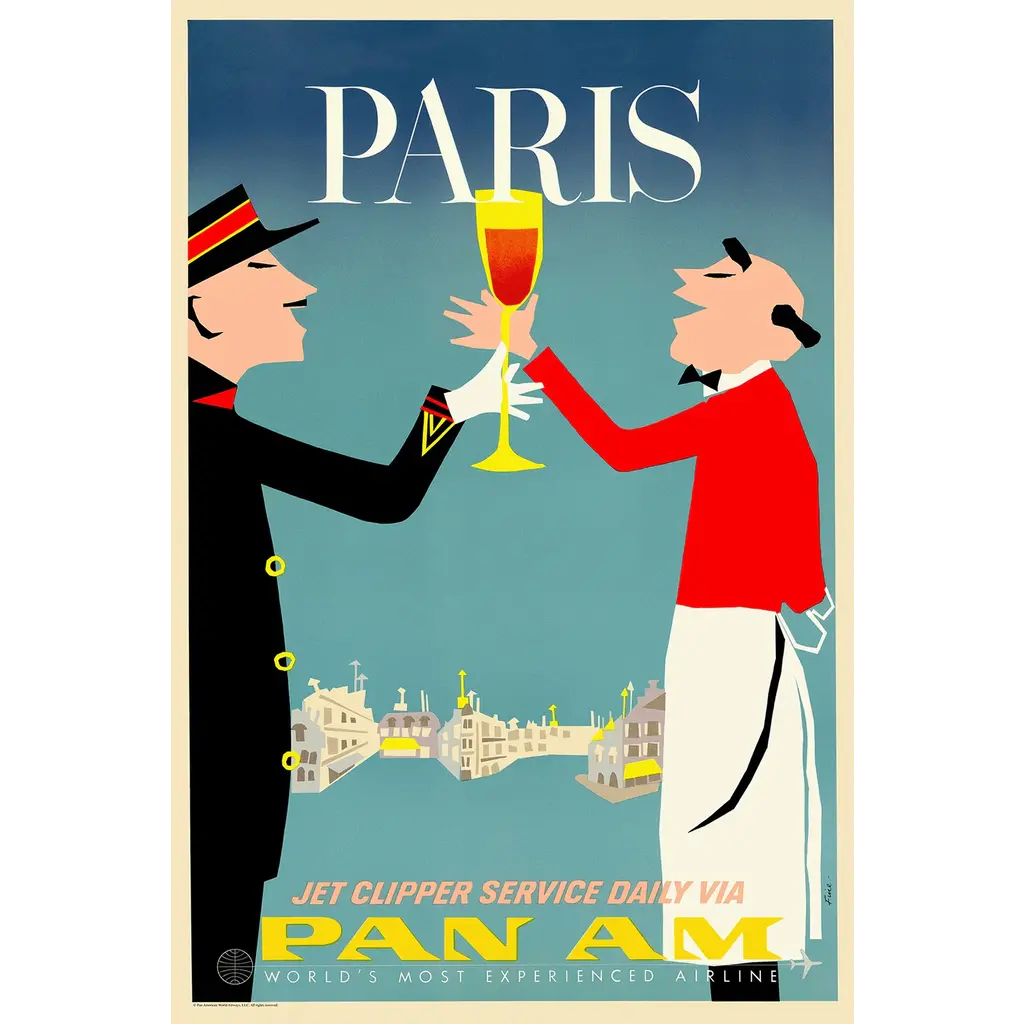
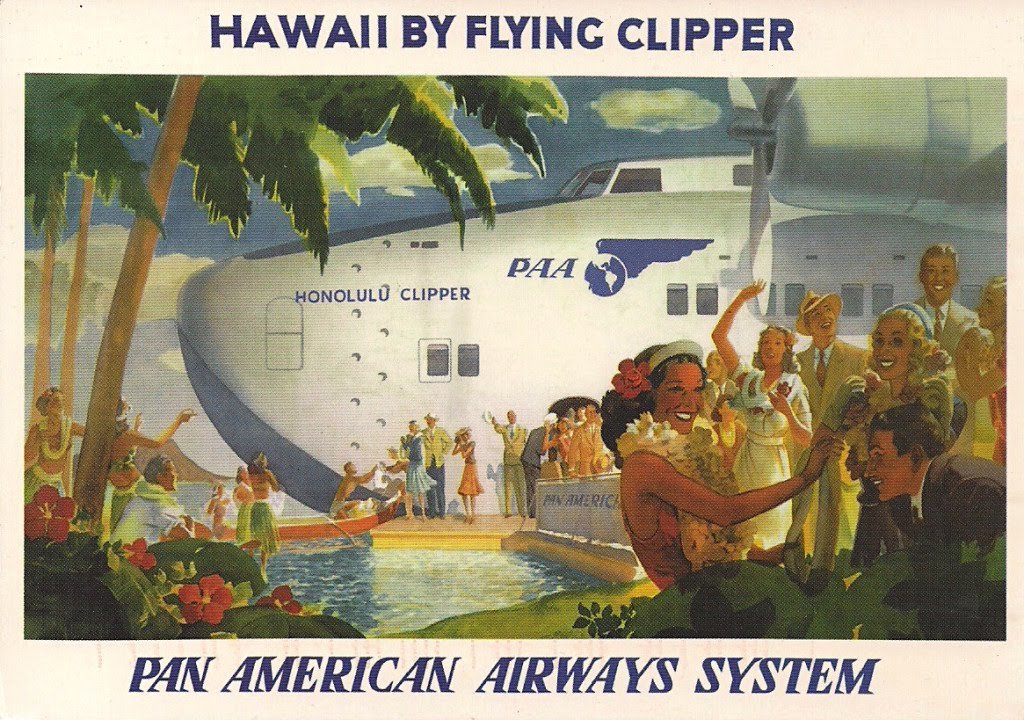
Pan Am opened up international travel to people who could never have imagined it before. The Boeing Clipper seaplane, being able to take off and land on water, obviated the need for runways long enough for big aircraft—indeed, the need for airports at all
These aircraft made possible the first regular transatlantic passenger service in 1939, linking New York to Europe. For the first time, passengers could traverse oceans by air in relative comfort, though at great expense.
The outbreak of the Second World War temporarily curtailed commercial expansion, but it also solidified Pan Am’s importance. The airline played a critical logistical role, ferrying personnel and equipment across global theatres. When peace returned, Pan Am was uniquely positioned to capitalise on the surge in demand for international travel. The postwar era marked the beginning of what is often called the golden age of air travel, and Pan Am was at its very centre.
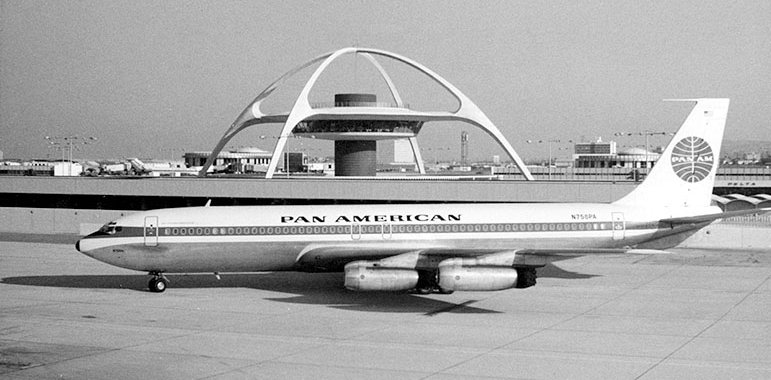
In 1958, Pan Am inaugurated the first commercial jet service with the introduction of the Boeing 707, a milestone that dramatically reduced travel times and redefined passenger expectations. Suddenly, the world seemed smaller. A journey from New York to Paris that once took over a day could now be completed in hours. Pan Am marketed this new era with sophistication, emphasising luxury, speed, and global connectivity. Its brand became synonymous with elegance: stewardesses in tailored uniforms, globe-spanning route maps, and the iconic blue globe logo.
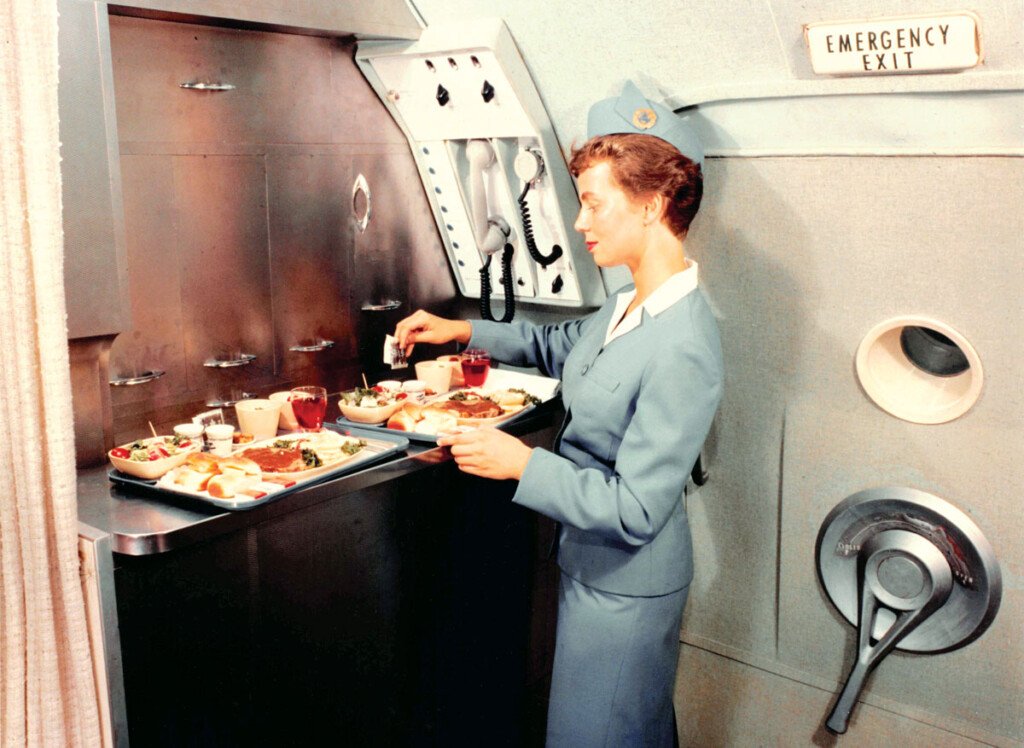
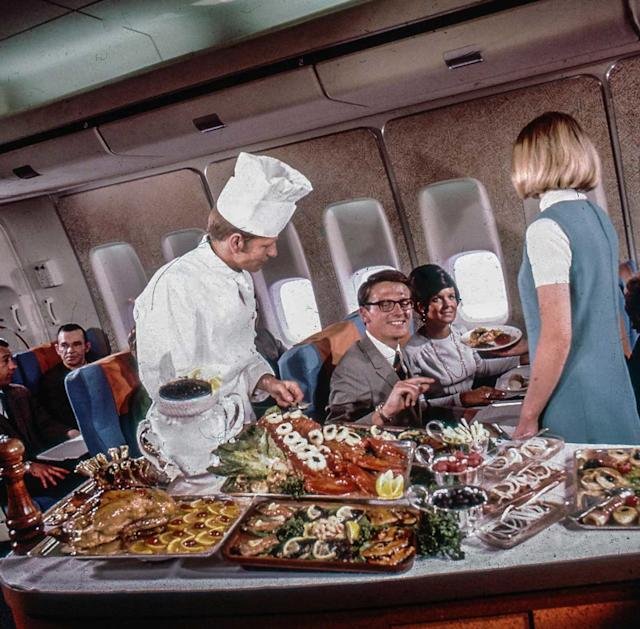

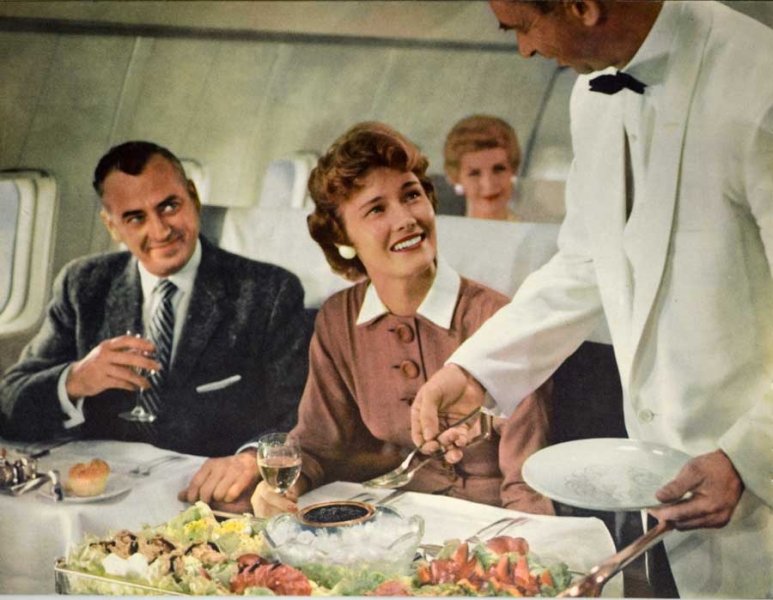
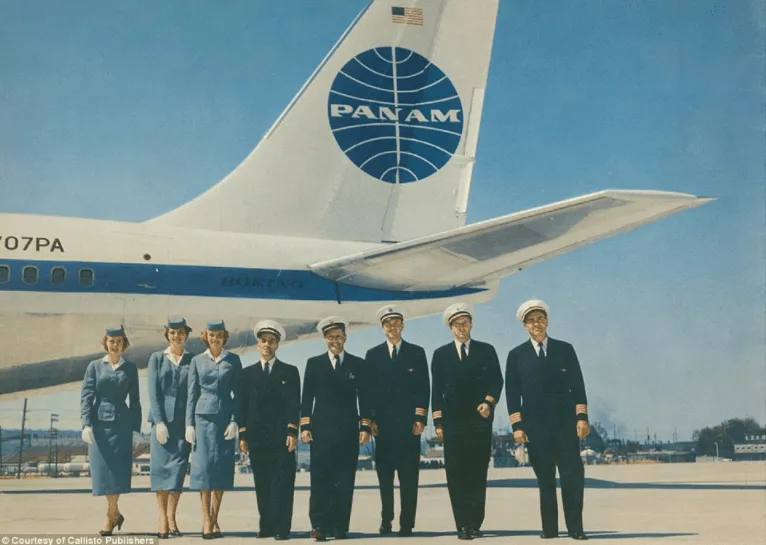
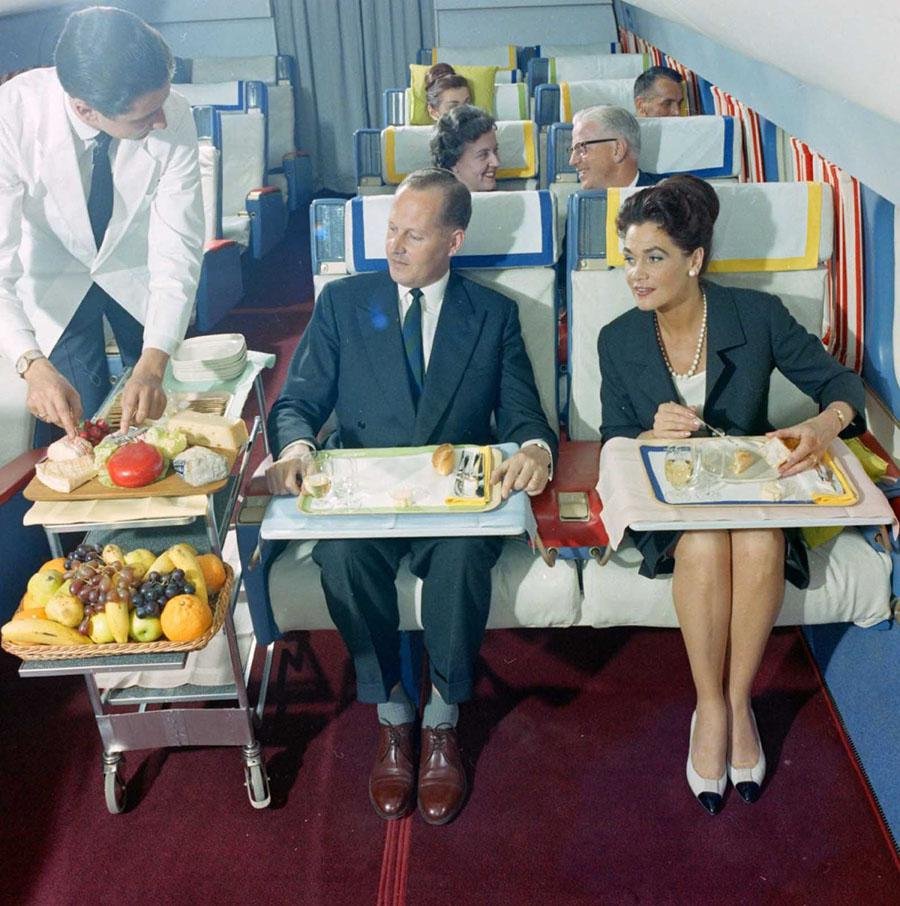
Pan Am wasn’t simply about the feasibility of international travel; it was also about the lifestyle. Luxury and elegance were as key to the traveller’s experience in a jet plane as they were in the cruise ships they sought to steal passengers from. It was about the journey as much as the destination, albeit a much quicker journey by air
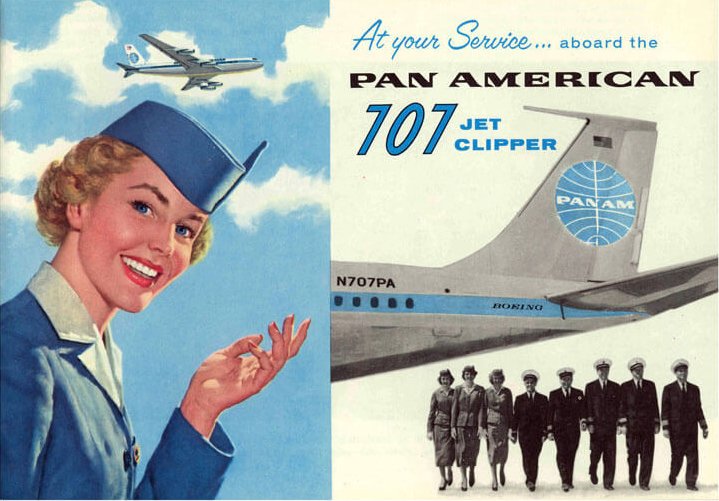

The airline’s reach was unmatched. By the 1960s, Pan Am served every continent except Antarctica, effectively creating the first truly worldwide airline network. It established hubs and partnerships across Europe, Asia, Africa, and the Middle East, often entering markets before competitors. Pan Am was not just transporting passengers; it was shaping the infrastructure of global travel, influencing airport development, navigation systems, and international aviation standards.
Yet beneath the glamour, structural weaknesses were emerging. Unlike many competitors, Pan Am lacked a strong domestic U.S. network, leaving it heavily dependent on international routes. This vulnerability became more pronounced with the deregulation of the U.S. airline industry in 1978, which intensified competition and eroded profit margins. Meanwhile, economic shocks such as the oil crises of the 1970s sharply increased operating costs, particularly for an airline with a large, fuel-hungry fleet.
Pan Am also made several strategic missteps. Its 1980 acquisition of National Airlines, intended to provide a domestic feeder network, proved costly and difficult to integrate. The airline struggled with mounting debt, operational inefficiencies, and a rapidly changing market environment. At the same time, new competitors—both established carriers and emerging international airlines—began to challenge Pan Am’s dominance on key routes.
The 1980s brought further challenges, including geopolitical tensions and declining public confidence in air travel following high-profile incidents. The 1988 bombing of Pan Am Flight 103 over Lockerbie, Scotland, was a devastating tragedy that profoundly affected the airline’s reputation and finances. Combined with its existing economic difficulties, this event accelerated the company’s downward spiral.
By the early 1990s, Pan Am was no longer the titan it had once been. Assets were sold off, routes were cut, and attempts at restructuring failed to restore profitability. In 1991, after more than six decades of operation, Pan Am ceased flying, marking the end of an era.
Despite its collapse, Pan Am’s legacy is enduring. It pioneered the concept of global air travel, introduced technological innovations, and set standards for service and branding that continue to influence the airline industry. The notion that one could board a plane and traverse the world in a seamless network is now taken for granted, but it was Pan Am that first made this vision a reality.
Today, Pan Am lives on in cultural memory as a symbol of a more glamorous age of travel—an era when flying was an event, not merely a means of transport. Its rise and fall offer a case study in both visionary leadership and the unforgiving economics of global aviation.
Leave a Reply