
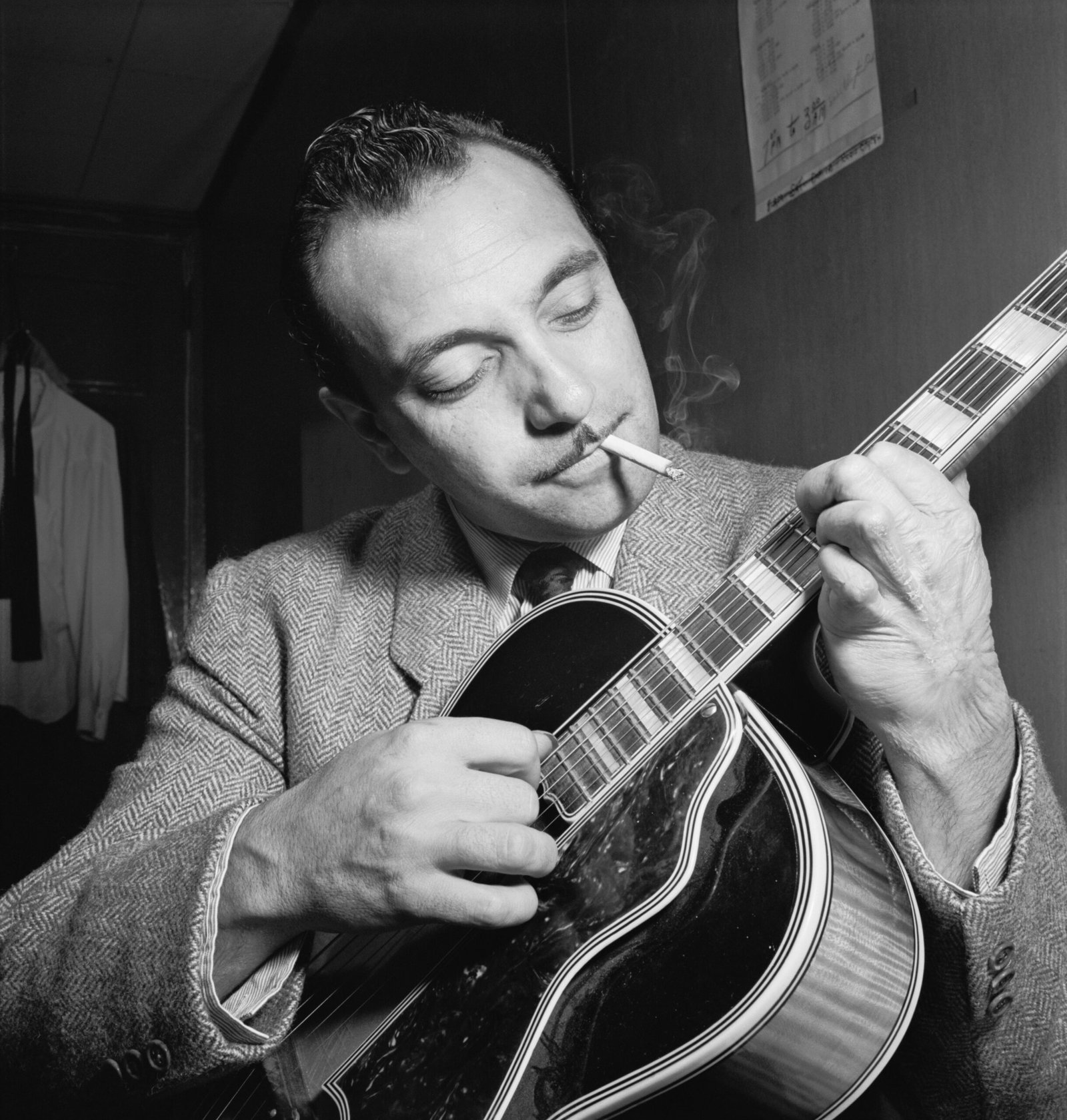

Django Reinhardt was one of the most original and influential guitarists in the history of jazz, whose work in the 1930s and 1940s helped define a distinctly European voice within a music form largely shaped in the United States.
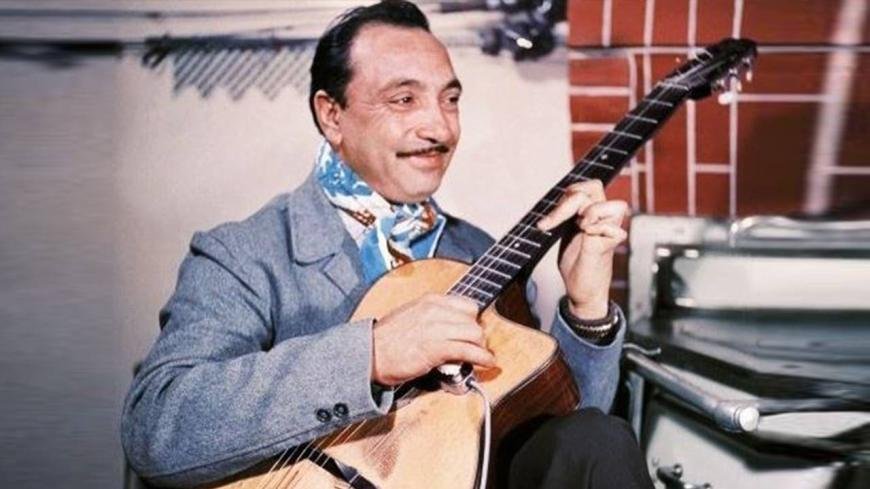
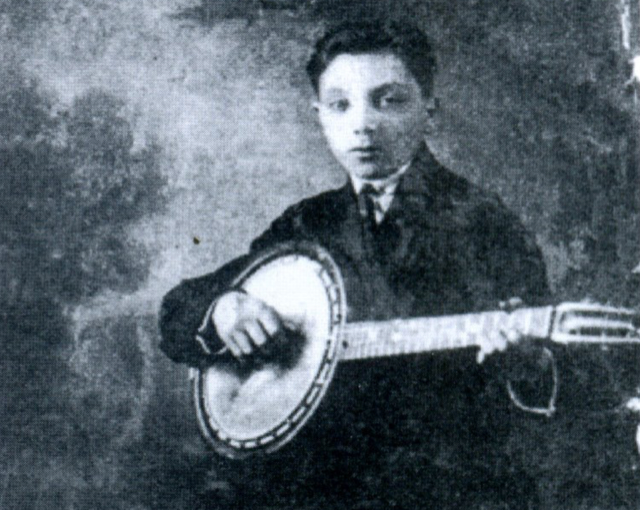
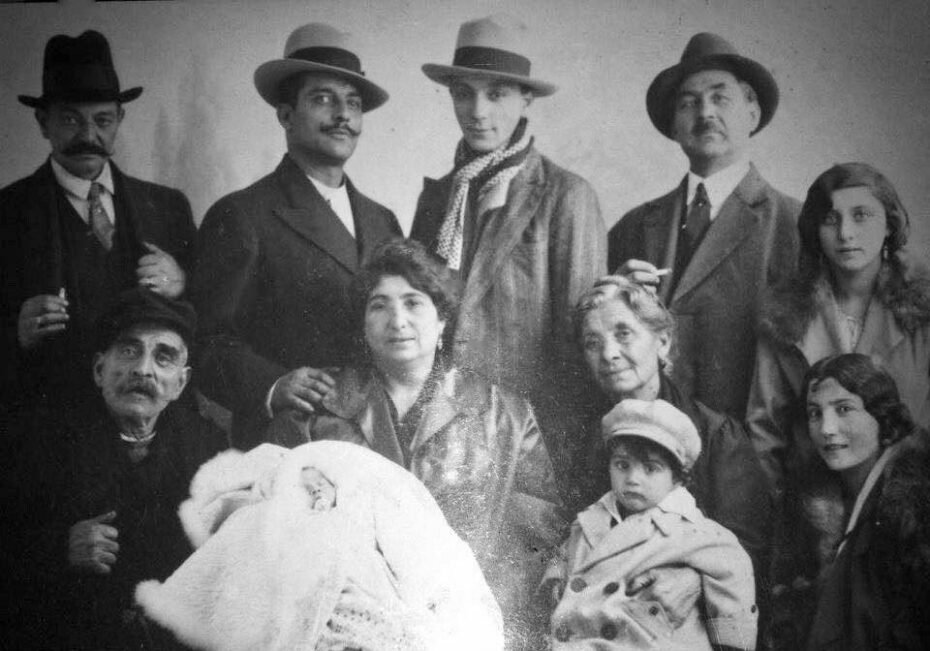
Born Jean “Django” Reinhardt in 1910 in Liberchies, Belgium, to a Manouche Romani family, he grew up in travelling communities on the outskirts of Paris. Music was central to Romani life, and Reinhardt learned the banjo-guitar and violin informally, absorbing traditional melodies, dance rhythms, and an improvisational approach that would later underpin his jazz innovations.
Out of the ashes
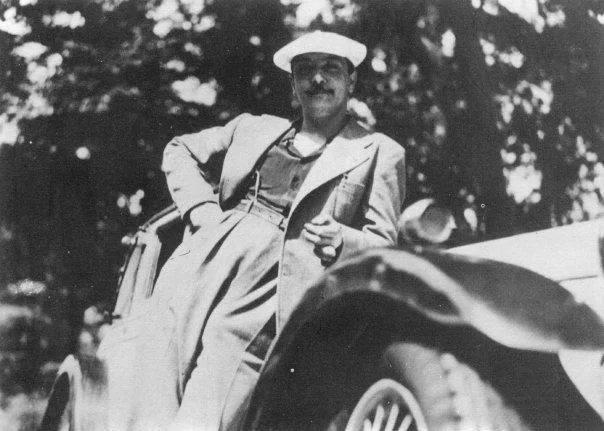
A pivotal event in Reinhardt’s life occurred in 1928, when a fire in his caravan caused severe burns to his left hand, leaving two fingers permanently damaged. Although this injury might have ended a conventional musician’s career, Reinhardt rebuilt his technique around his remaining functional fingers, developing a highly individual style characterised by rapid arpeggios, dramatic runs, and an unusually fluid sense of harmony.
This physical limitation ultimately became a defining feature of his musical voice, shaping a sound that was both virtuosic and unmistakably his own.
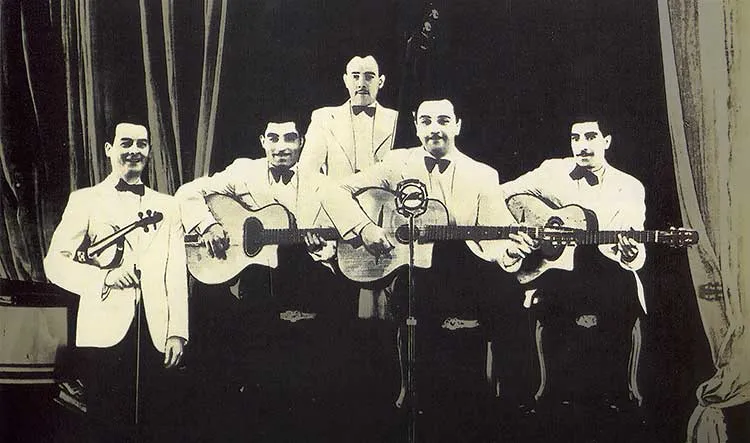
Reinhardt’s significance in the creation of the Hot Club style of jazz is inseparable from his partnership with violinist Stéphane Grappelli and the formation of the Quintette du Hot Club de France in 1934. At a time when jazz ensembles were typically driven by brass and percussion, the Hot Club quintet was radical in its all-string instrumentation: lead guitar, violin, rhythm guitars, and double bass. This configuration placed Reinhardt’s guitar at the centre of the ensemble, not merely as a rhythm instrument but as a primary melodic and improvisational voice.
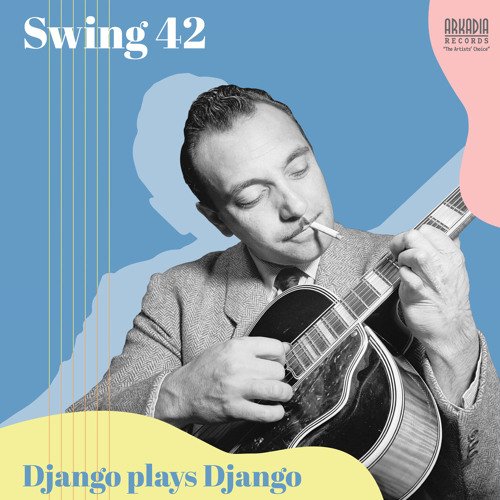
The Hot Club style fused American swing jazz with Romani musical traditions and Parisian café culture. Reinhardt’s rhythm playing, known as la pompe, provided a driving, percussive pulse that replaced the role of drums, while his solos combined the harmonic language of swing with modal inflections and phrasing drawn from Romani music. This synthesis produced a sound that was simultaneously elegant, fiery, and highly danceable, establishing a new jazz idiom rooted in Europe rather than imported wholesale from across the Atlantic.
Through recordings such as Minor Swing, Nuages, and Djangology, Reinhardt demonstrated that jazz could evolve beyond its American origins while remaining faithful to its improvisational spirit. His influence extended far beyond the Hot Club era, shaping the development of jazz guitar and inspiring generations of musicians across genres. Django Reinhardt died in 1953 at the age of 43, but his legacy endures in the continued vitality of Gypsy jazz, a style that remains a living testament to his creativity, resilience, and transformative role in the history of jazz.

















Leave a Reply