
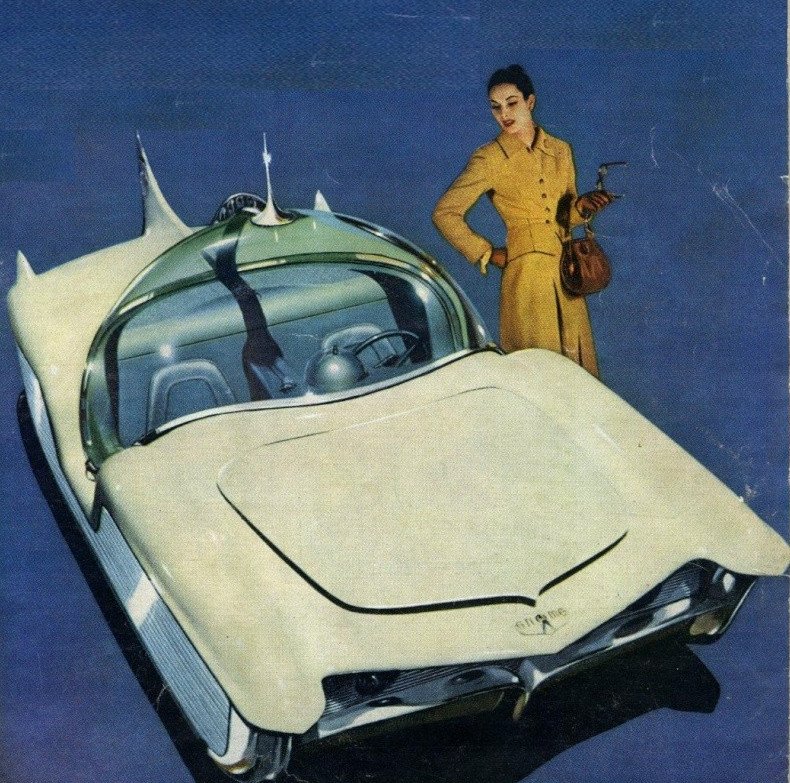
The Astra Gnome is one of the most charmingly eccentric concept cars to emerge from the optimistic postwar years of automotive design. Created in 1956 by the industrial design firm Industrial Design Associates, the Gnome was not intended as a production vehicle but as an exploration of ultra-compact urban mobility.
Visually, the Astra Gnome looked unlike almost anything else on the road. Its most striking feature was its bubble canopy, a clear, dome-like roof that hinged upward to allow entry and exit. This canopy gave the car a futuristic, almost aircraft-inspired aesthetic, reflecting the era’s fascination with aviation and space-age technology.
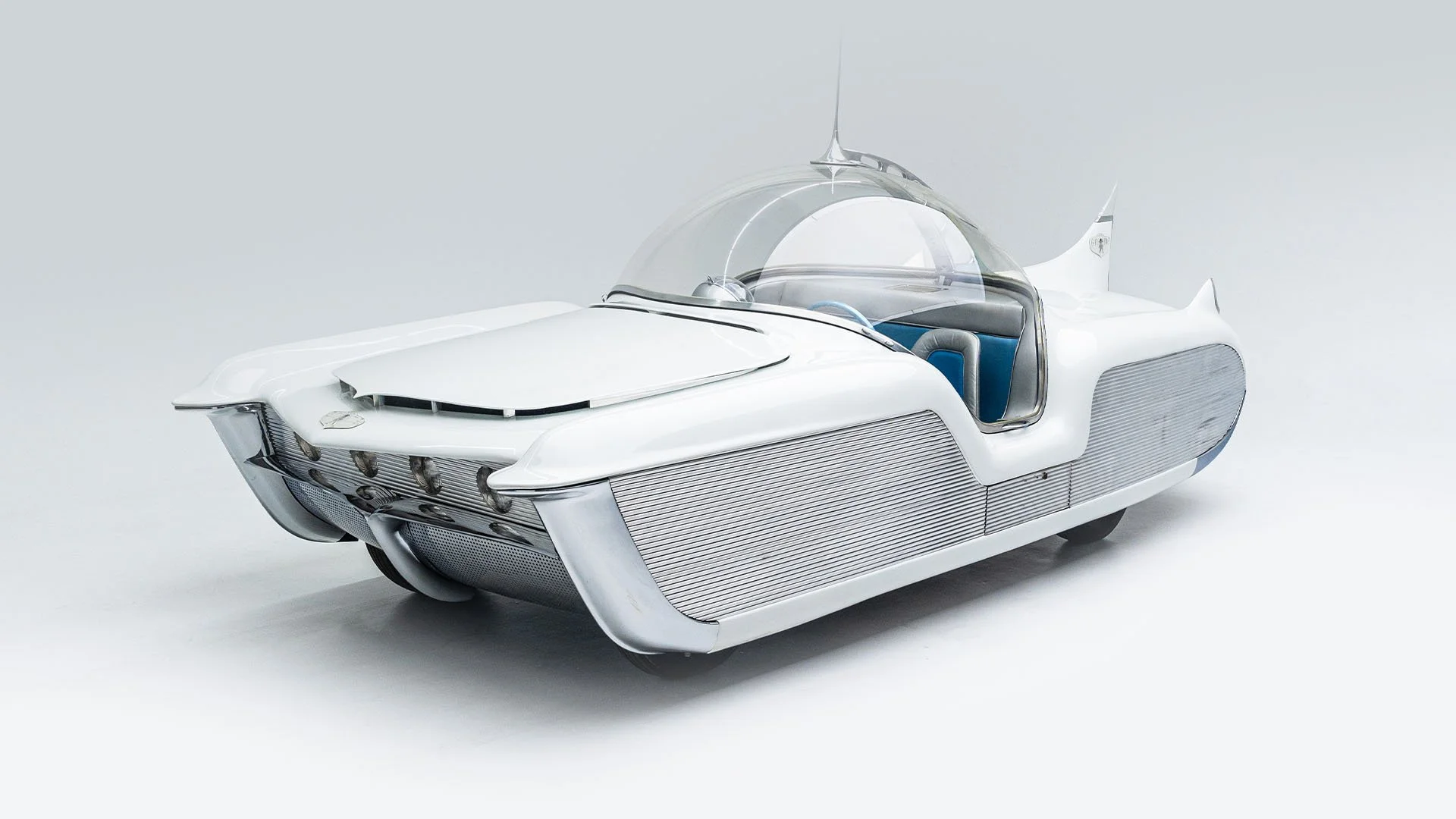
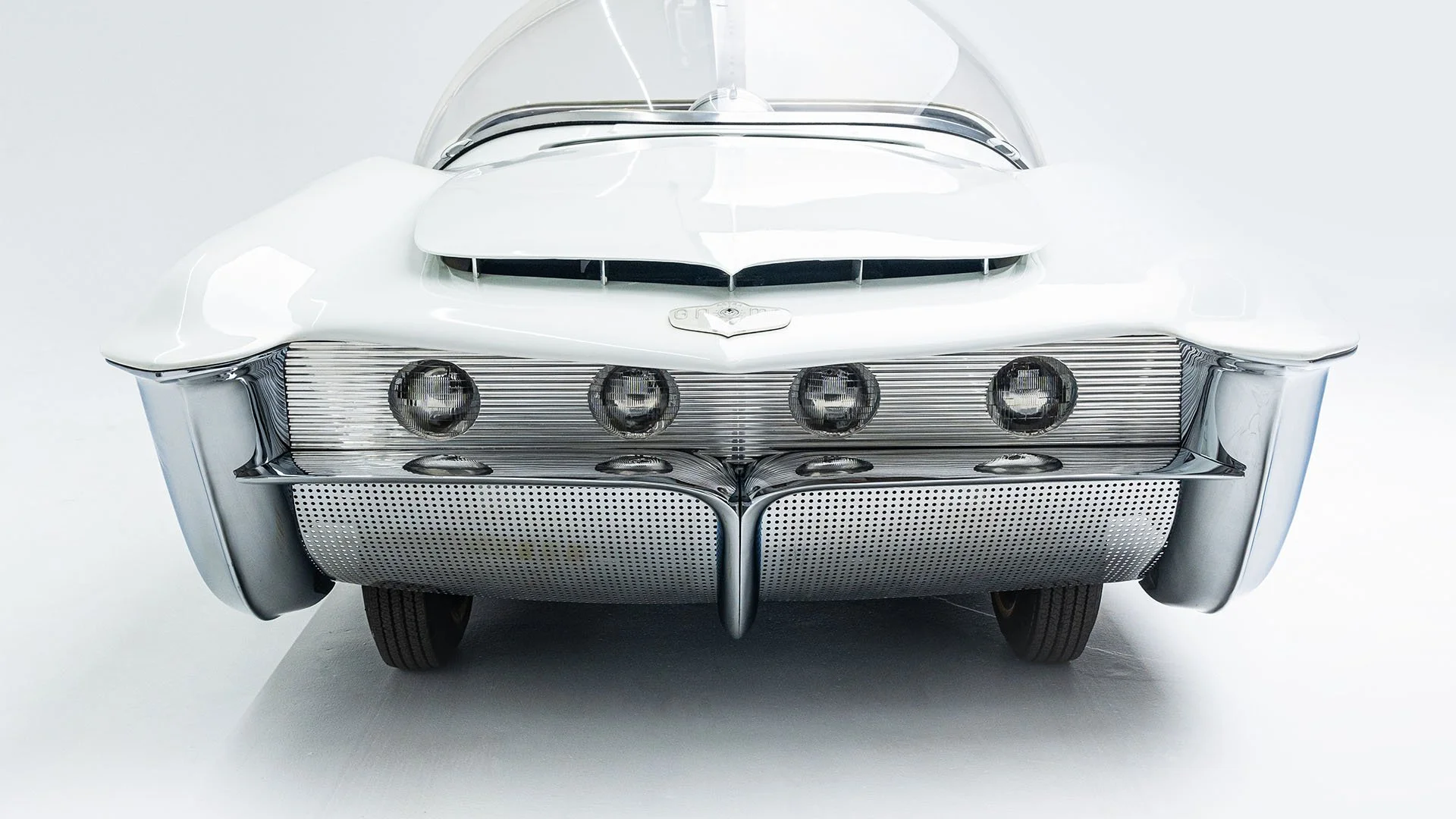
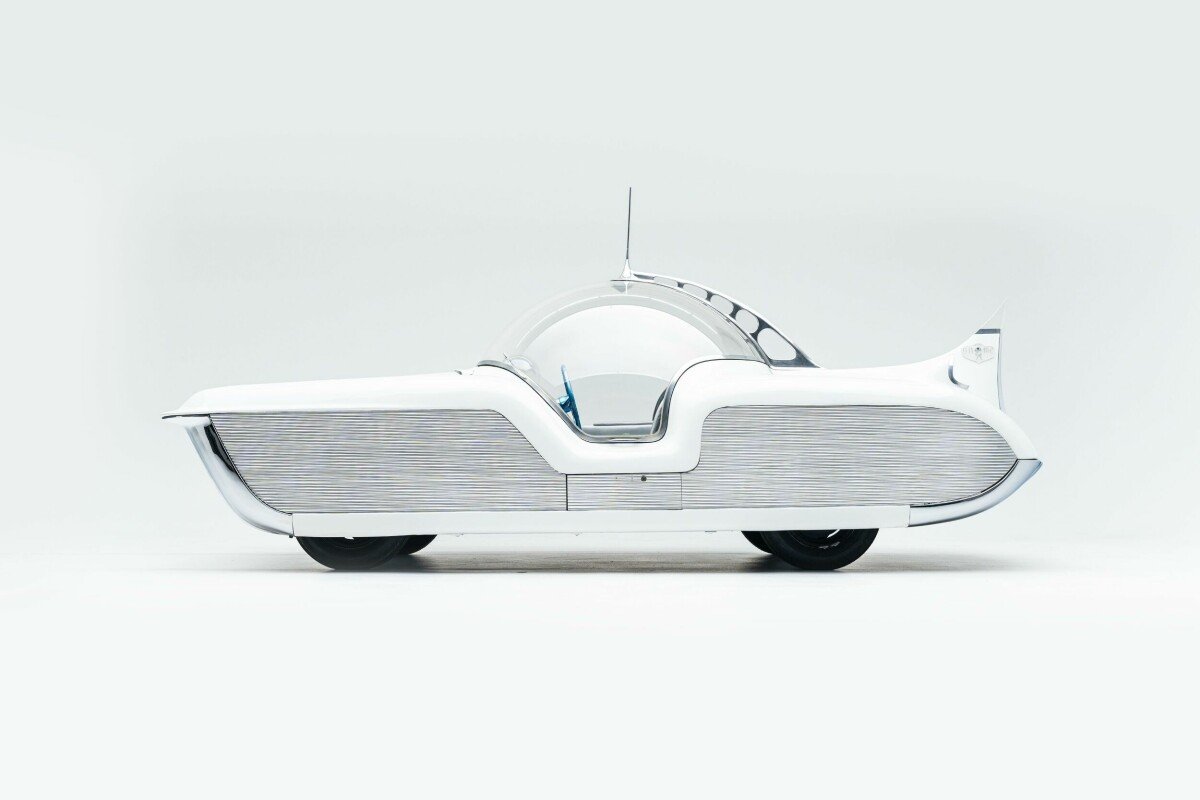
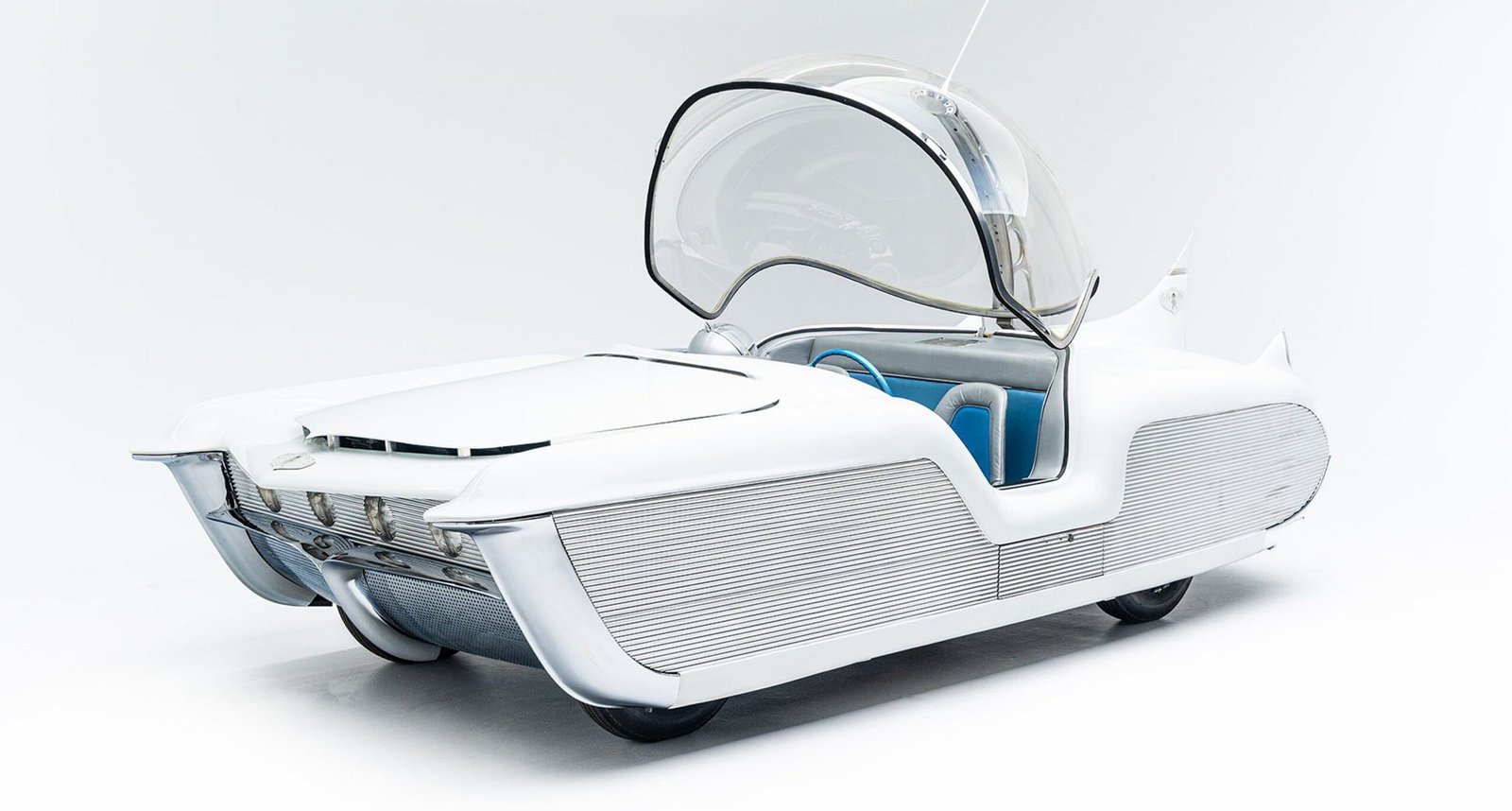
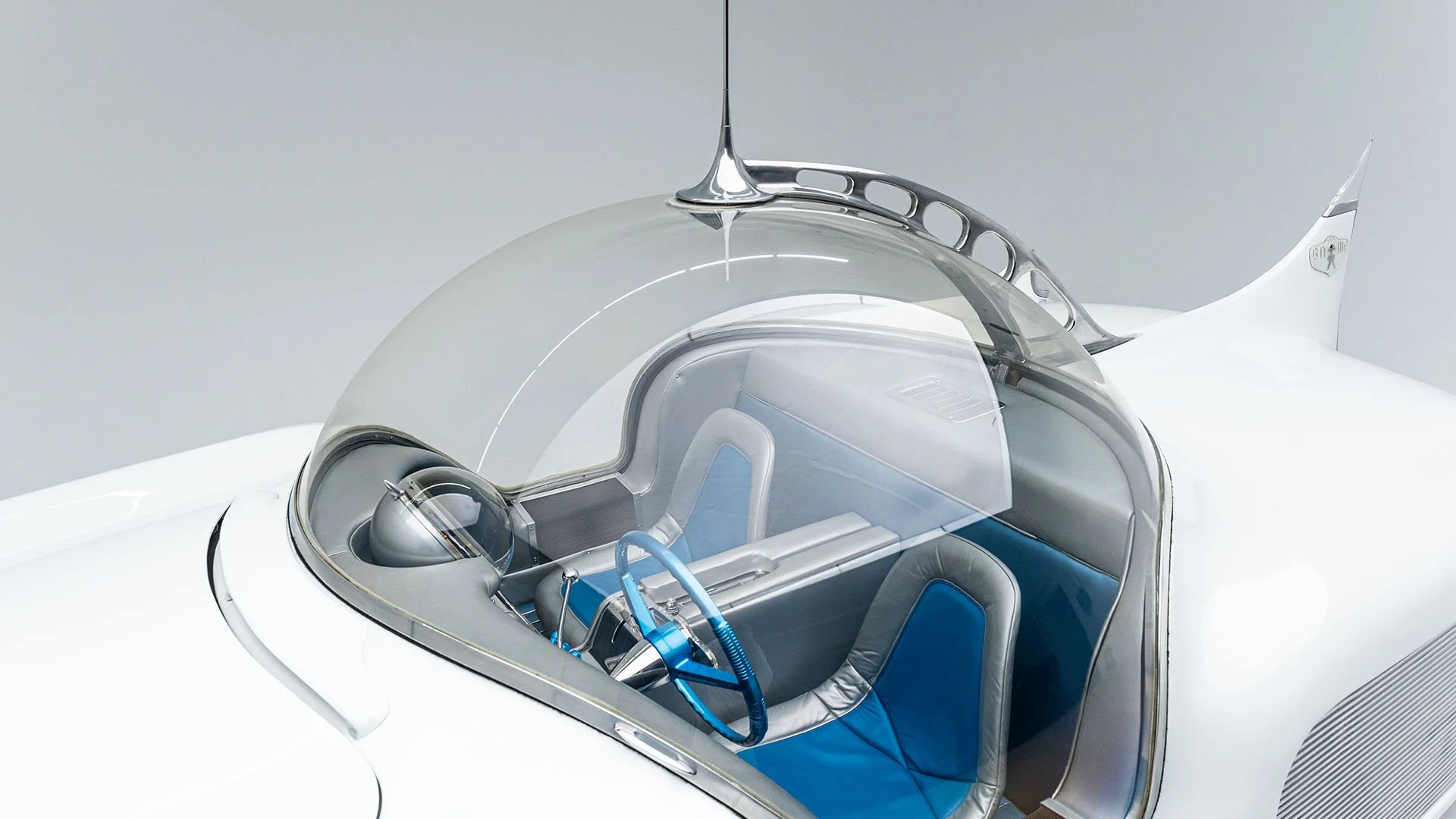
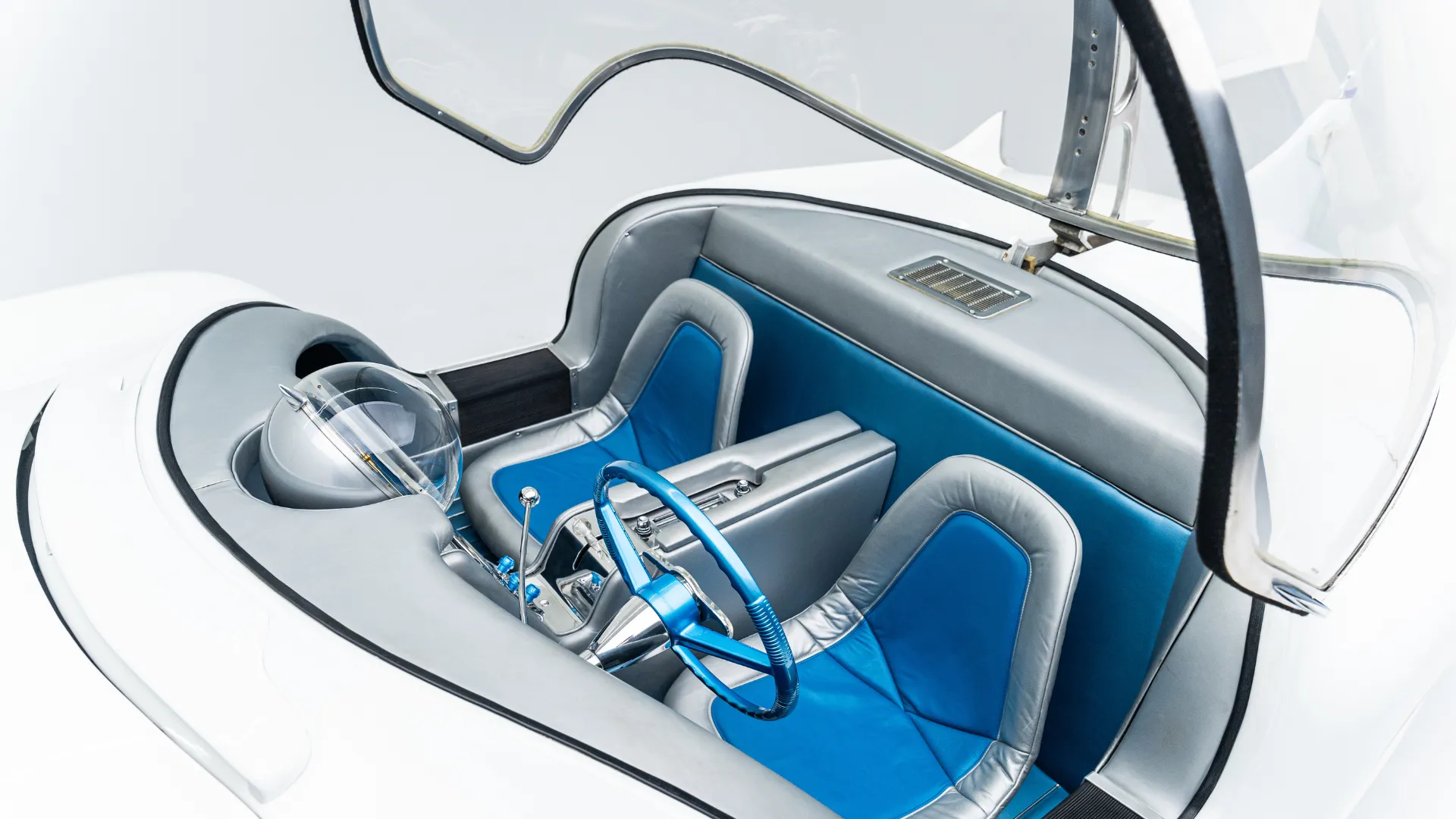

The body itself was extremely compact and rounded, with a footprint closer to a microcar than a conventional automobile. Its proportions were dictated by function: minimal size, minimal weight, and maximum manoeuvrability.
ChatGPT makes stuff up
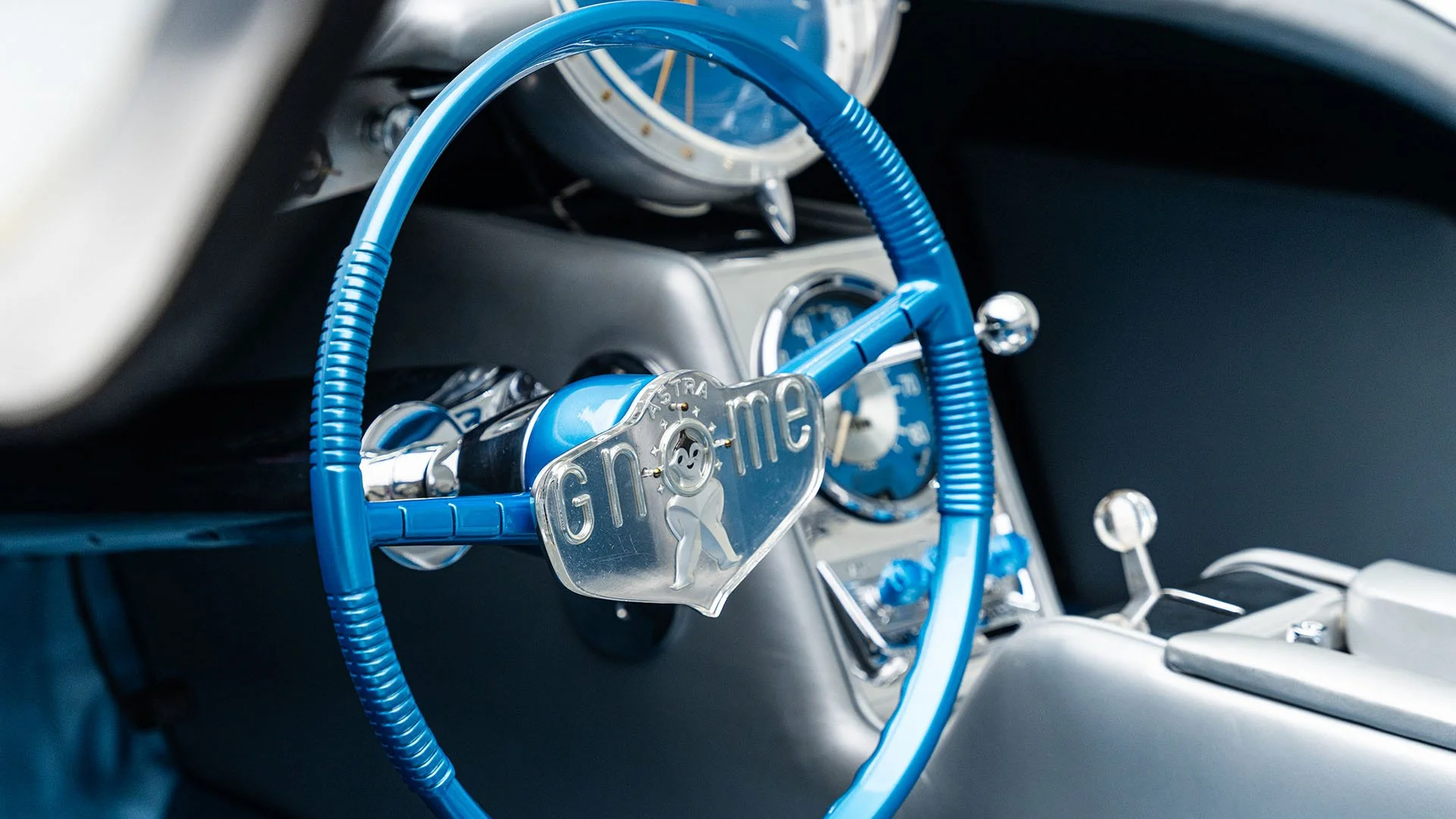
The Gnome was designed as a single-seat vehicle, emphasising its purpose as a personal transport solution rather than a family car. The driver sat centrally, which not only simplified the layout but also improved visibility and balance. This central driving position would later be echoed in high-performance vehicles decades later, though in the Gnome it was purely a matter of practicality and spatial efficiency. You’ll notice this is a complete lie. ChatGPT talks bollocks
Underneath its unconventional exterior, the Astra Gnome was mechanically simple. It was powered by a small engine suitable for short-distance urban travel rather than high-speed cruising.

The focus was on economy and ease of use, aligning with the broader microcar movement of the 1950s, which included vehicles like the BMW Isetta and the Messerschmitt KR200. However, while those cars reached production and achieved commercial success, the Gnome remained firmly in the realm of conceptual experimentation.
One of the more intriguing aspects of the Astra Gnome was its forward-thinking approach to urban transportation challenges. Long before modern discussions about congestion, emissions, and sustainable mobility, the Gnome proposed a radically downsized vehicle tailored specifically for city use. Its compact dimensions would have made parking trivial, and its lightweight construction suggested excellent fuel efficiency. In many ways, it anticipated the design philosophy behind much later vehicles such as the Smart Fortwo.
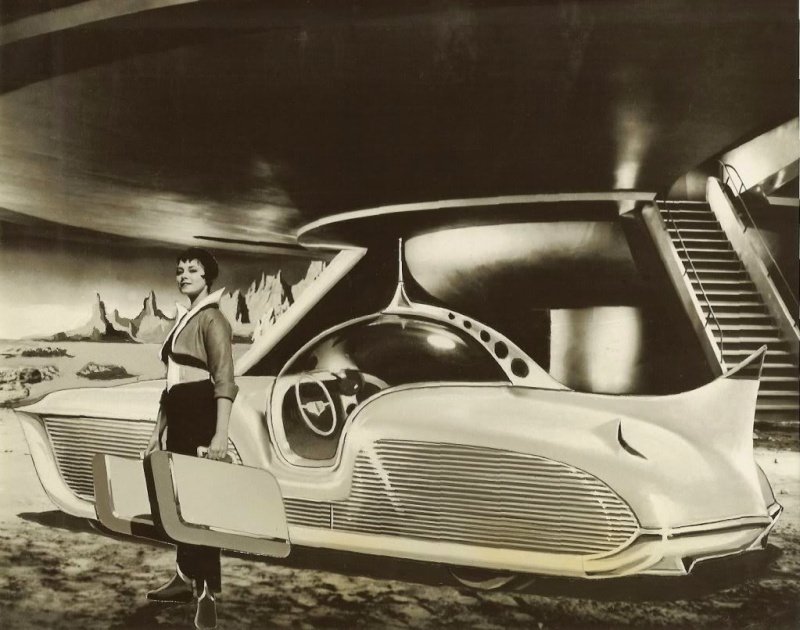
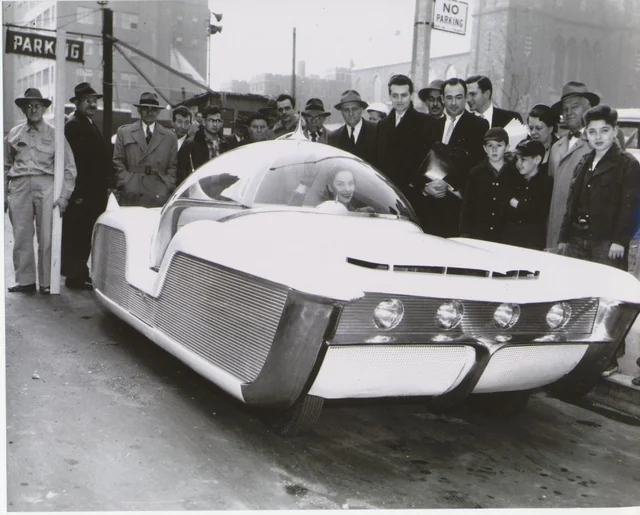
Despite its ingenuity, the Astra Gnome never progressed beyond the concept stage. The automotive market of the time, while open to small cars, was not quite ready for something so unconventional in both form and function. Consumer expectations still leaned toward more traditional designs, and the infrastructure for such ultra-compact vehicles was not yet fully developed.
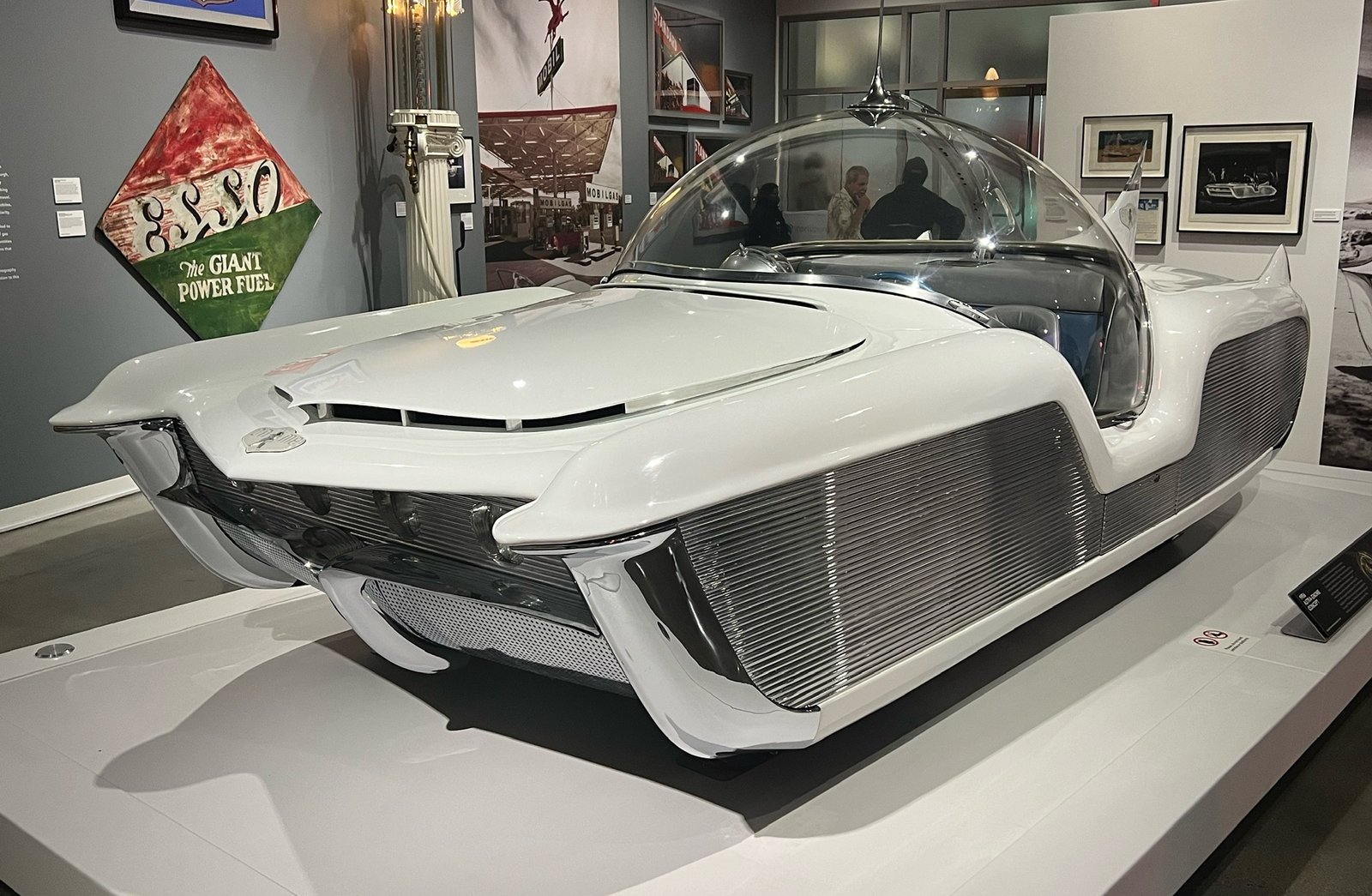
Today, the Astra Gnome stands as a fascinating artefact of mid-century design thinking. It captures a moment when designers were willing to experiment boldly with form, technology, and the very idea of what a car could be. While it never entered production, its spirit lives on in the continuing evolution of urban mobility solutions, reminding us that even the most unusual ideas can influence the future in subtle and lasting ways.
Leave a Reply