
Valletta, a UNESCO World Heritage site, is known for its Baroque and Renaissance buildings, many of which were constructed during the 16th and 17th centuries when the Order of St. John ruled the island.
The balconies in Valletta were originally designed for practical reasons. They provided residents with a space to observe the bustling streets below while maintaining privacy.
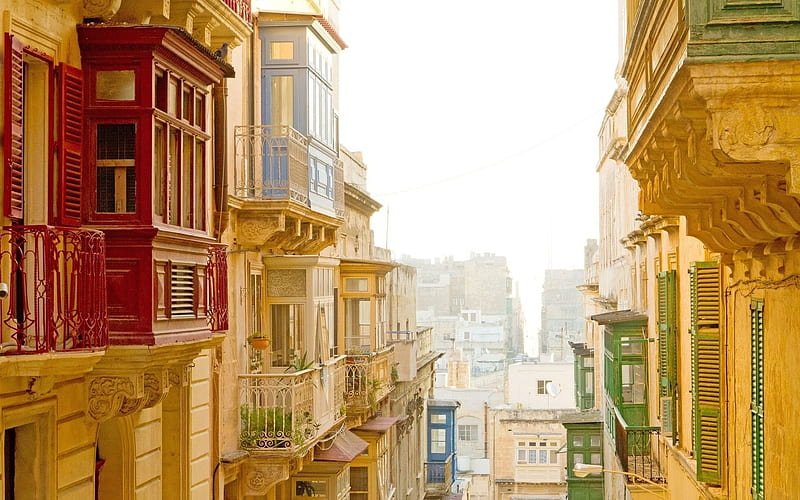
A blend of functionality and beauty
In a densely built city like Valletta, with its narrow, winding streets, these small outdoor spaces offered a reprieve from the crowded environment. The balconies were also a place for people to engage in social interactions or relax and enjoy the Mediterranean breeze.
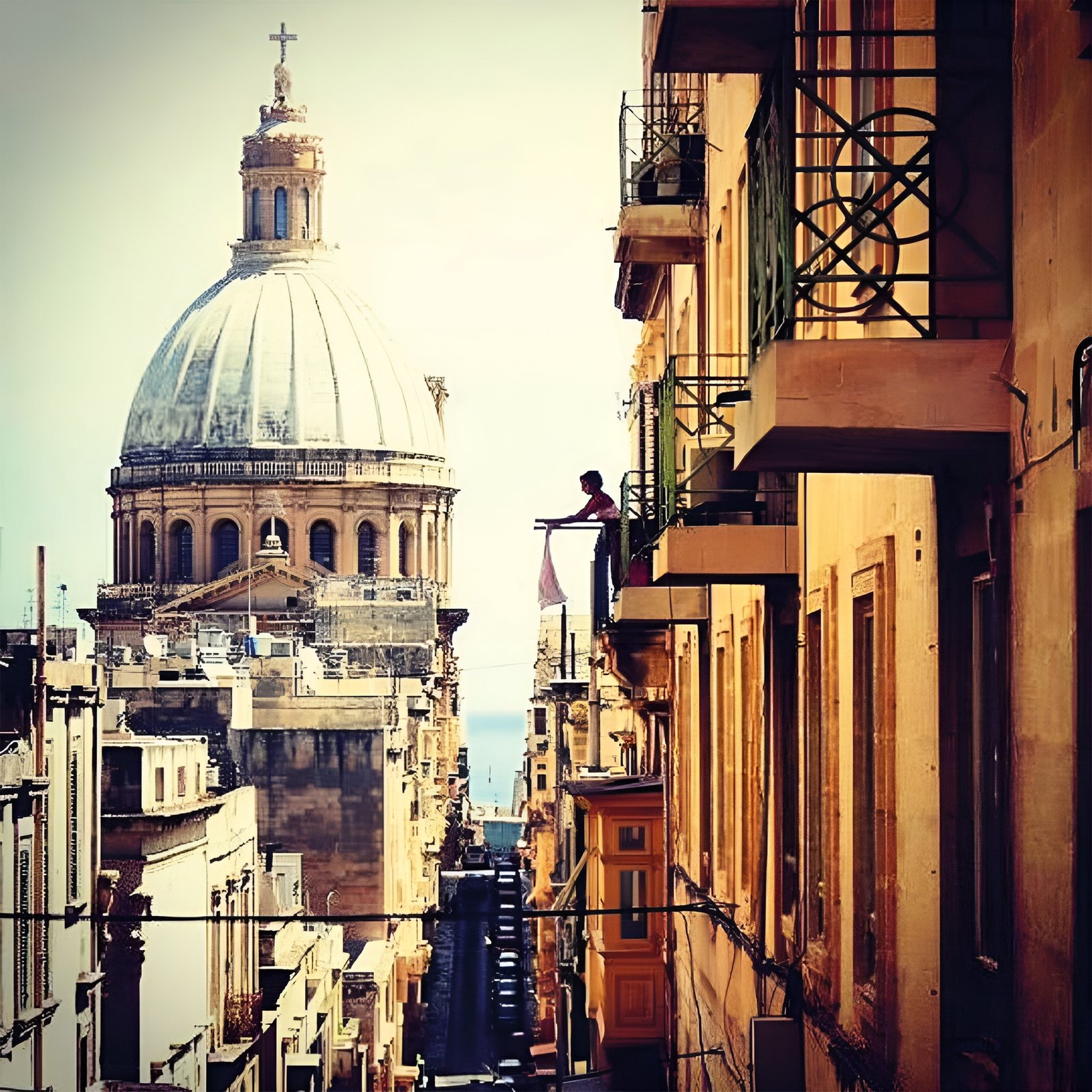
However, over time, these balconies evolved into symbols of Maltese craftsmanship. Often made of wood, stone, or wrought iron, they feature intricate designs that range from simple and functional to elaborate and decorative.
The wooden balconies, which are perhaps the most iconic, are typically painted in vibrant hues of blue, green, red, and yellow. This colour scheme not only adds charm to the city but also reflects the Mediterranean spirit, where colours are rich and warm.
Preserving the tradition
Today, the balconies of Valletta are a treasured part of the city’s heritage. Many of them have been carefully preserved or restored to maintain their historic significance.
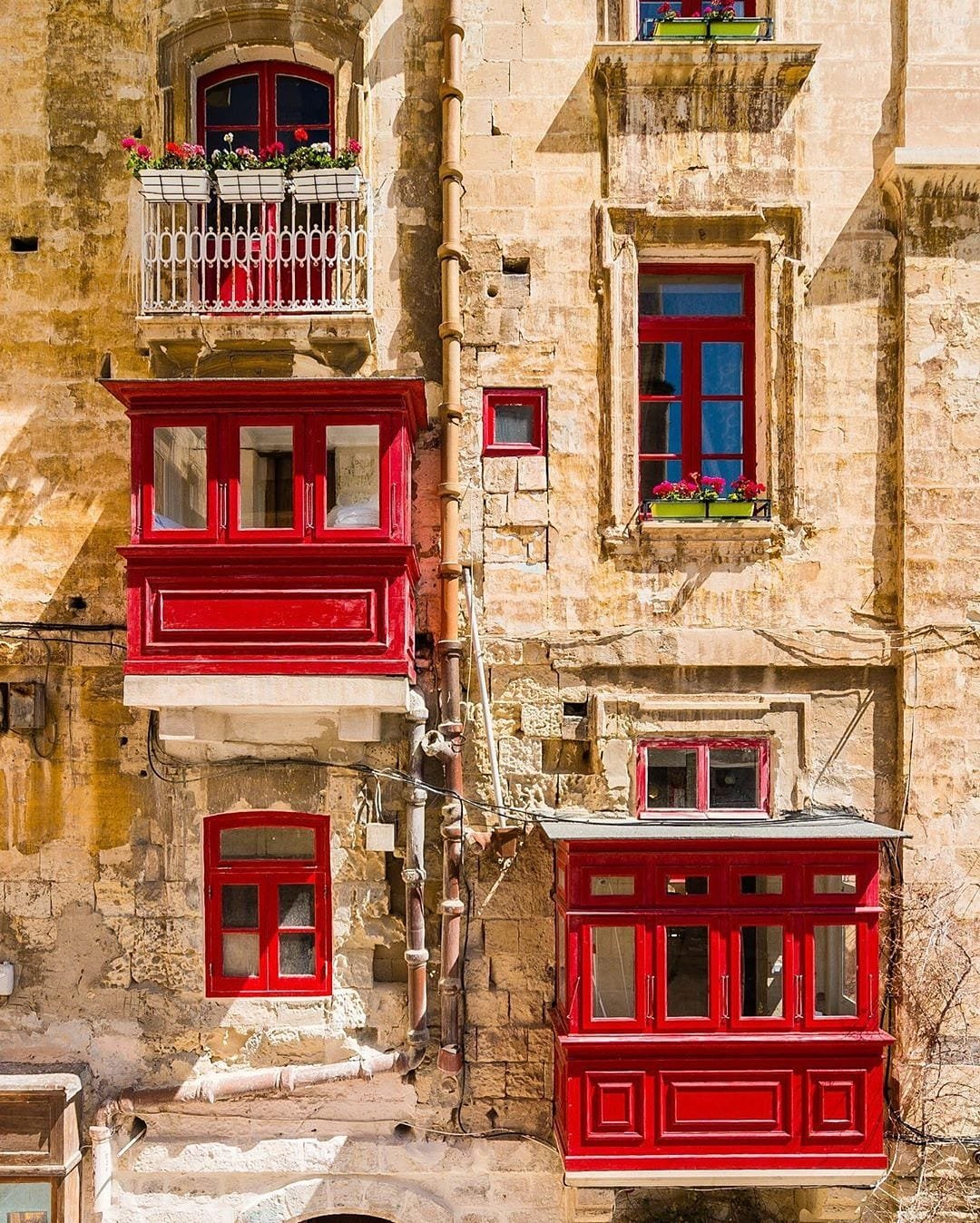
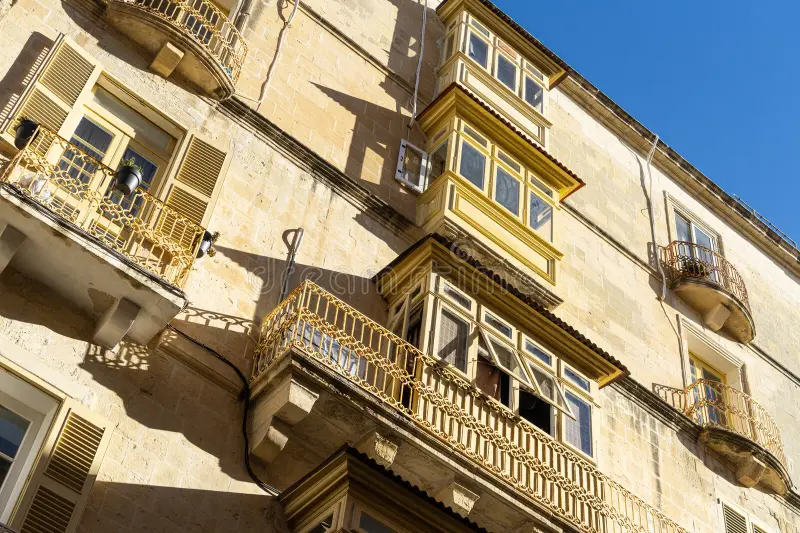
They represent a unique blend of architectural tradition, local craftsmanship, and cultural identity, standing as a testament to Valletta’s rich history and its ongoing vitality. As the city continues to thrive, the balconies remain an enduring feature of the Maltese landscape, linking the present with the past.