

The VW T1 Auwärter Carlux is one of the rarest and most intriguing coachbuilt variants of the original Volkswagen Transporter, combining the utilitarian foundations of the Type 2 with bespoke craftsmanship aimed at comfort, style, and exclusivity.
Produced in extremely limited numbers during the 1950s, the Carlux represents a niche moment in post-war European motoring when independent coachbuilders transformed mass-produced vehicles into specialised luxury or leisure machines.
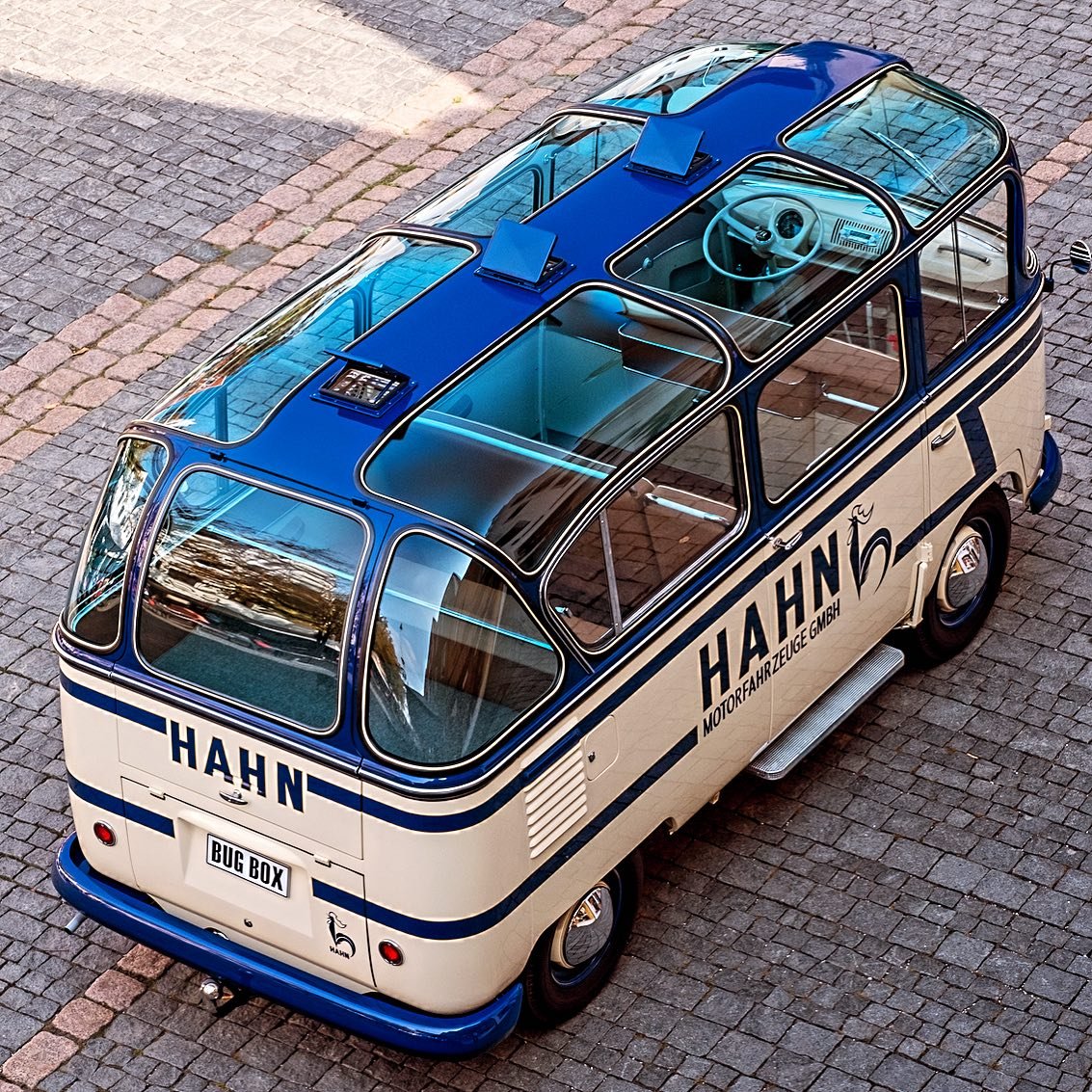
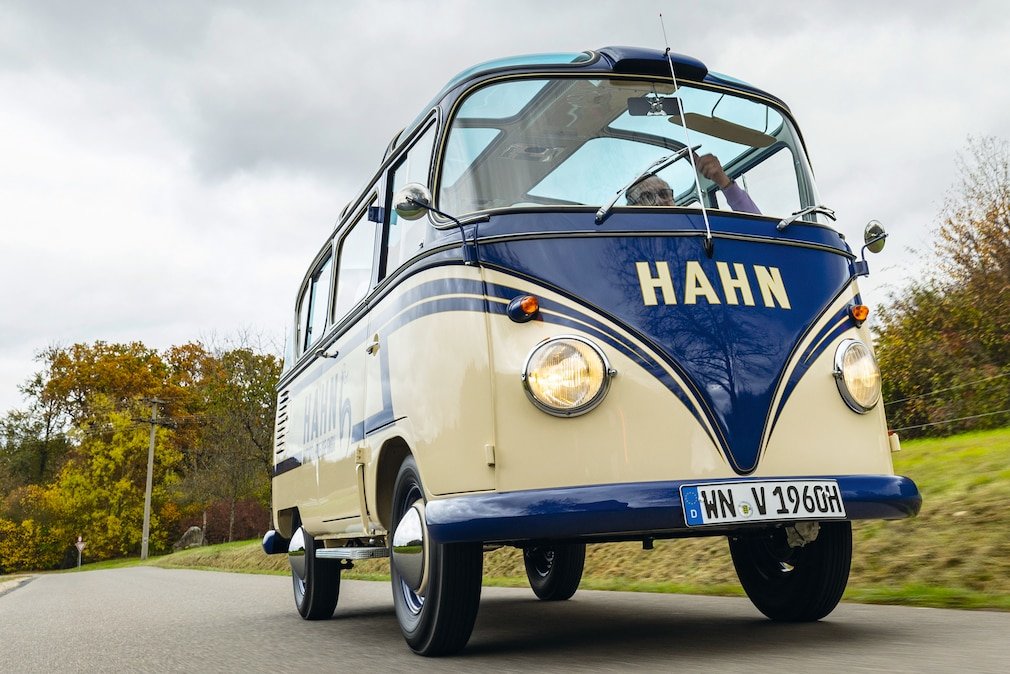
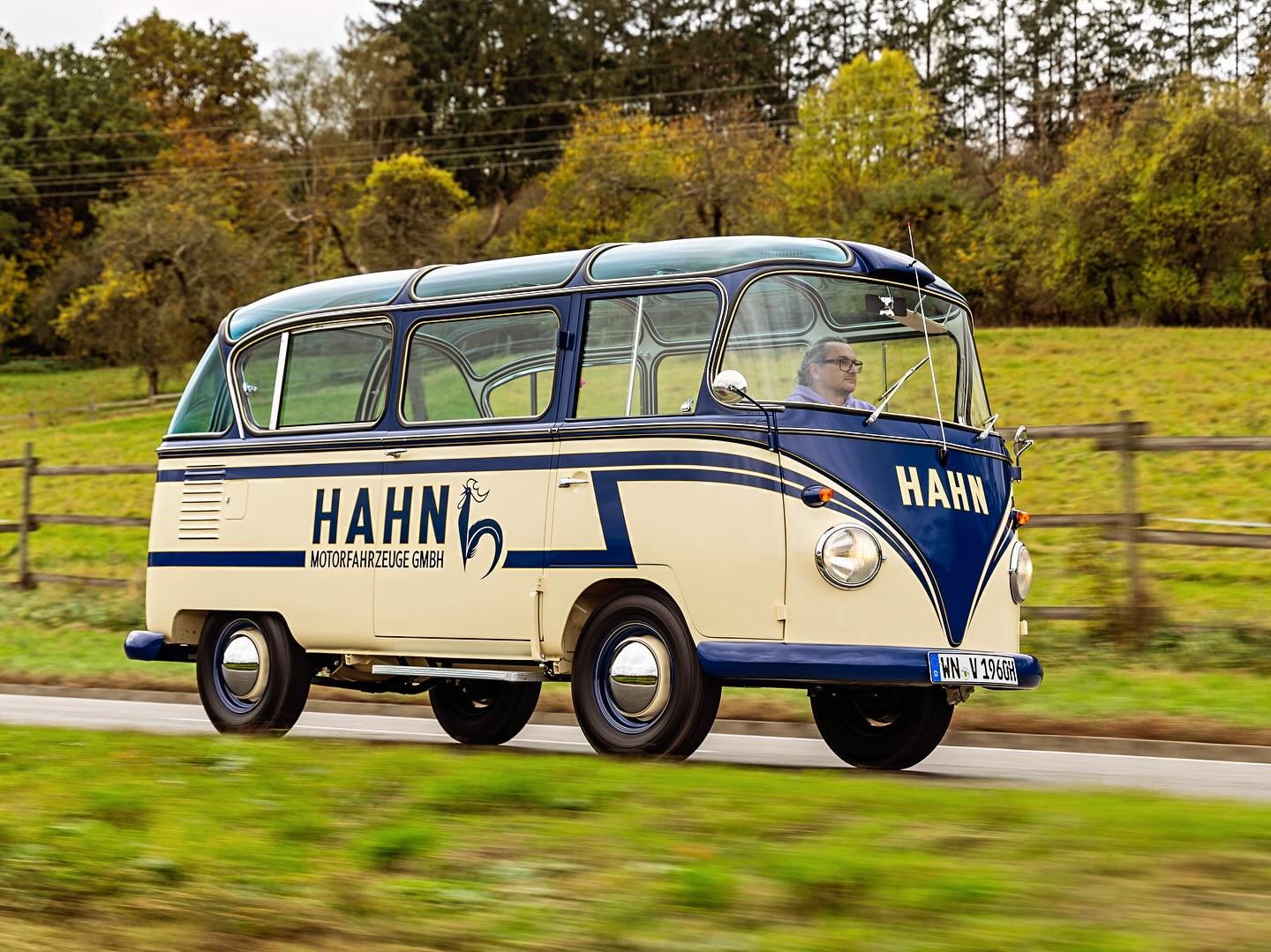
Auwärter, based in Stuttgart, was best known for its Neoplan buses and coaches, but in the early years of the Wirtschaftswunder it also applied its expertise to smaller-scale projects. The Carlux conversion was designed as a premium people carrier, intended for private owners, hotels, or executive transport rather than commercial use. Unlike standard VW Microbuses, which were functional and sparsely appointed, the Carlux emphasised refinement, comfort, and visual distinction.
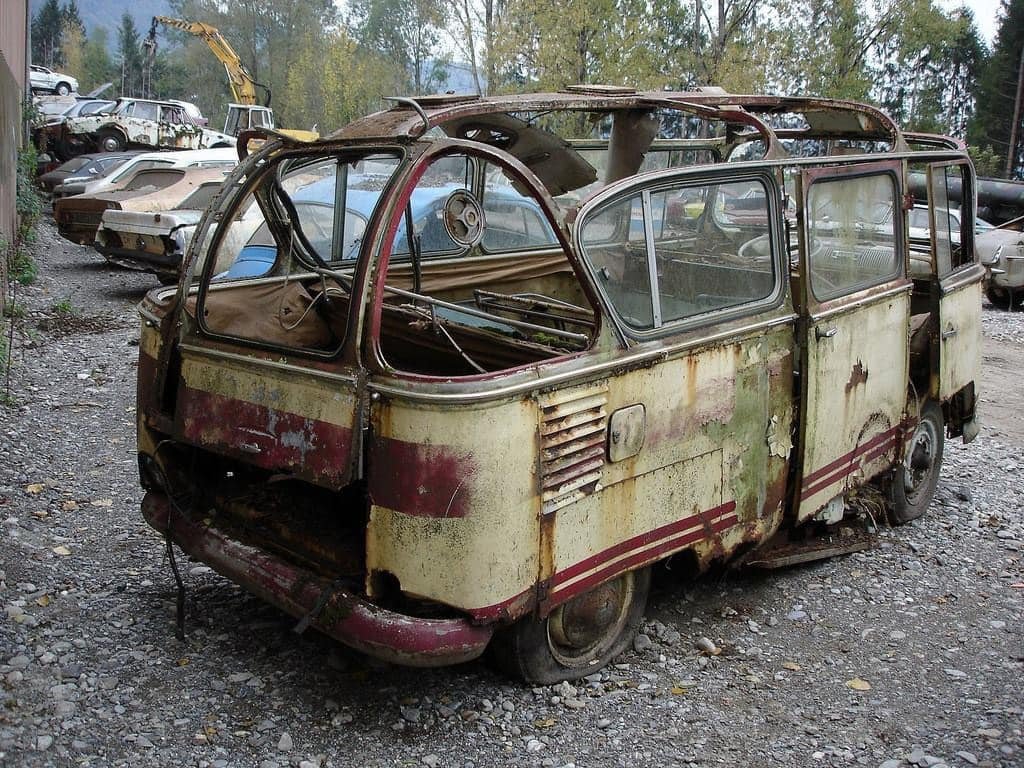
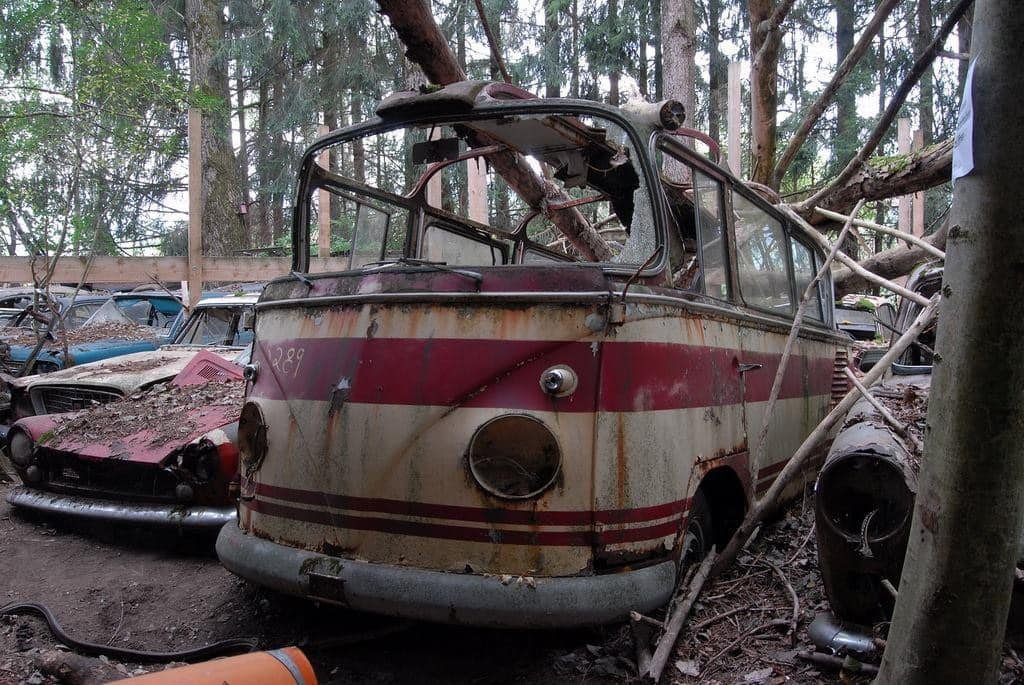
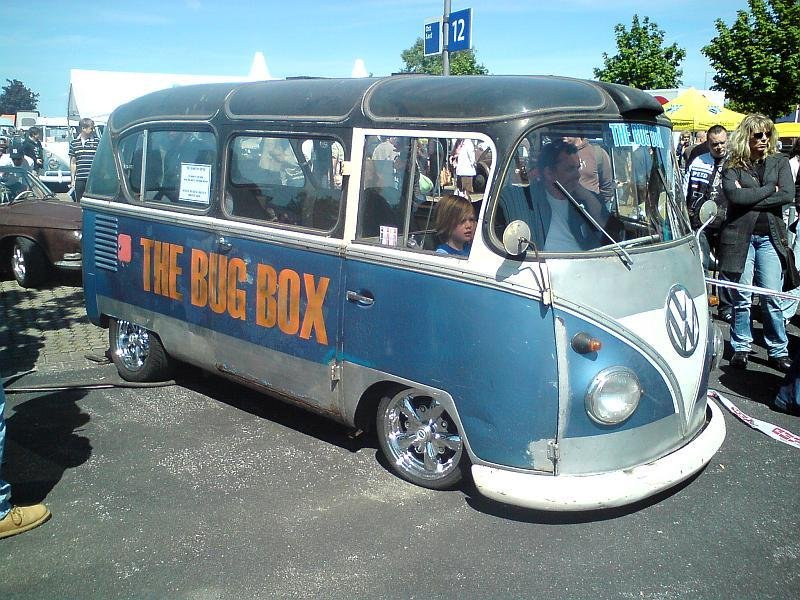
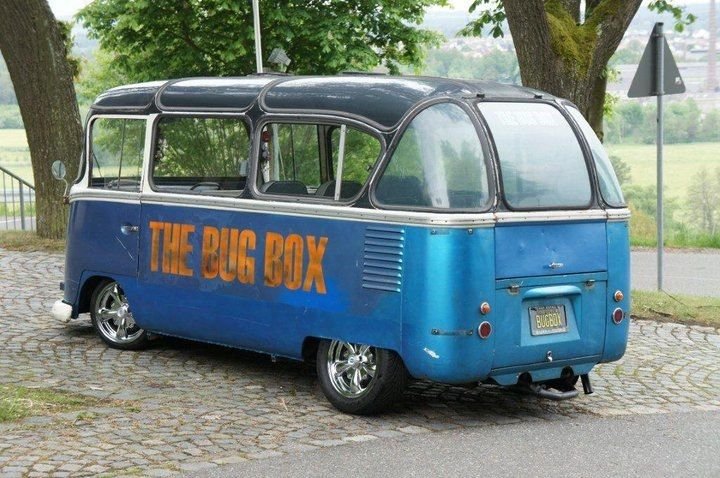
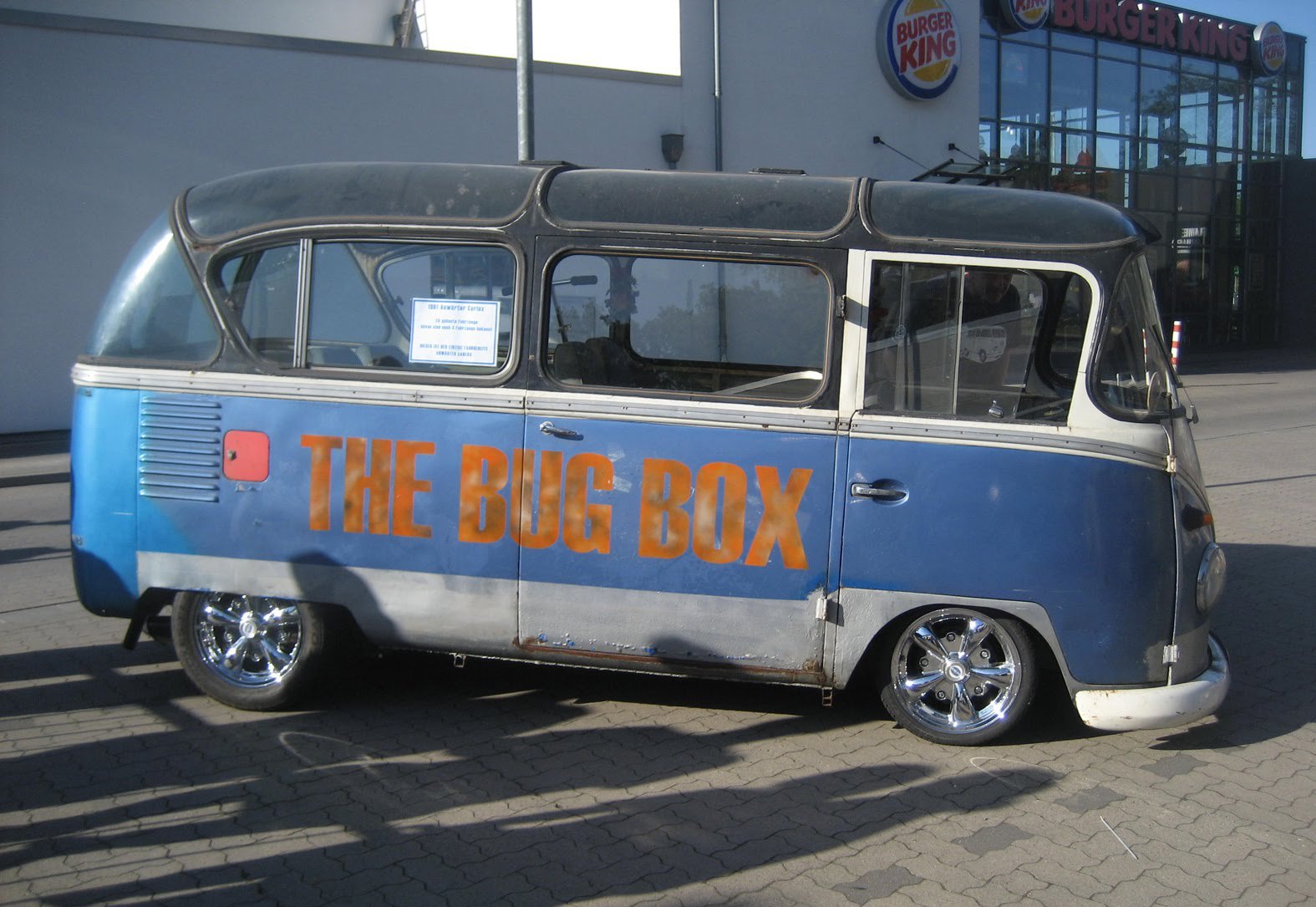
Externally, the Carlux is immediately recognisable by its unique window configuration. It typically features large, elegantly framed side windows, often with curved corners, giving the vehicle a lighter, more panoramic appearance than factory VW offerings of the period. The roofline was sometimes subtly modified, and trim details were upgraded to differentiate the Carlux from standard production models. These changes were not merely cosmetic; they reinforced the vehicle’s positioning as a luxury transporter rather than a working van.
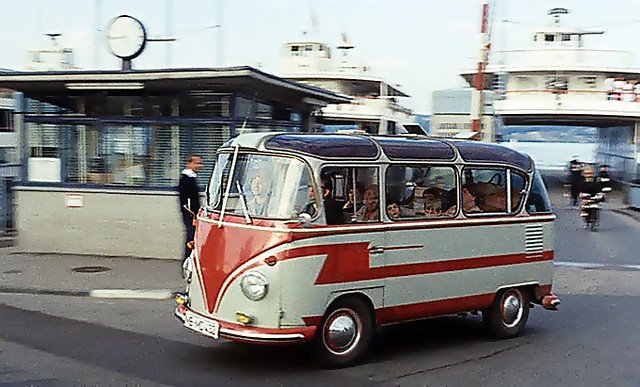
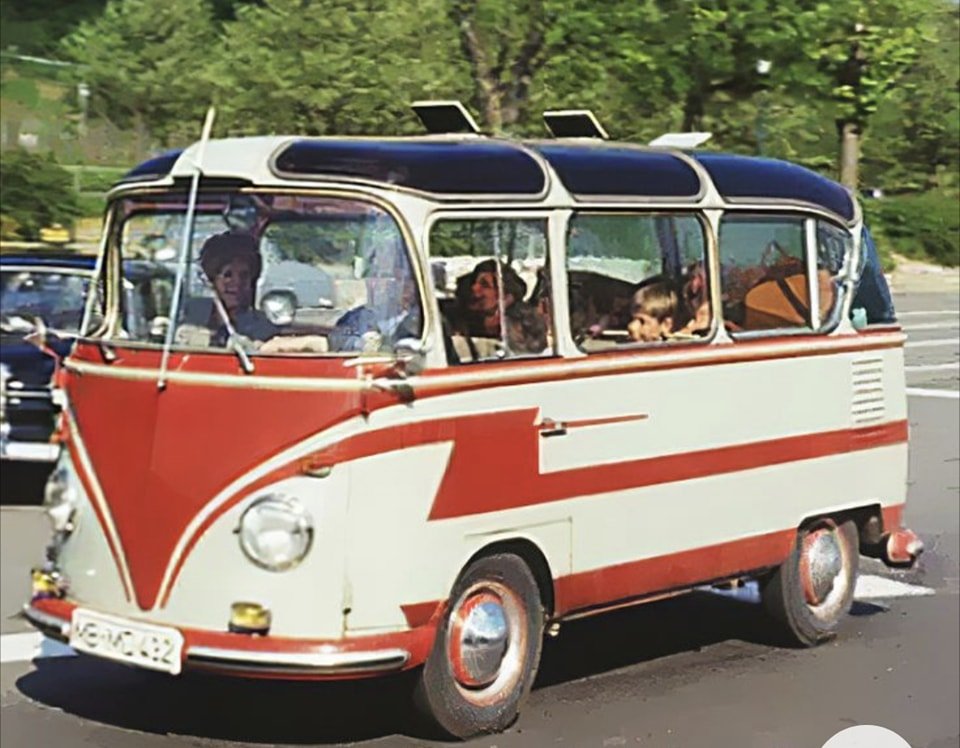
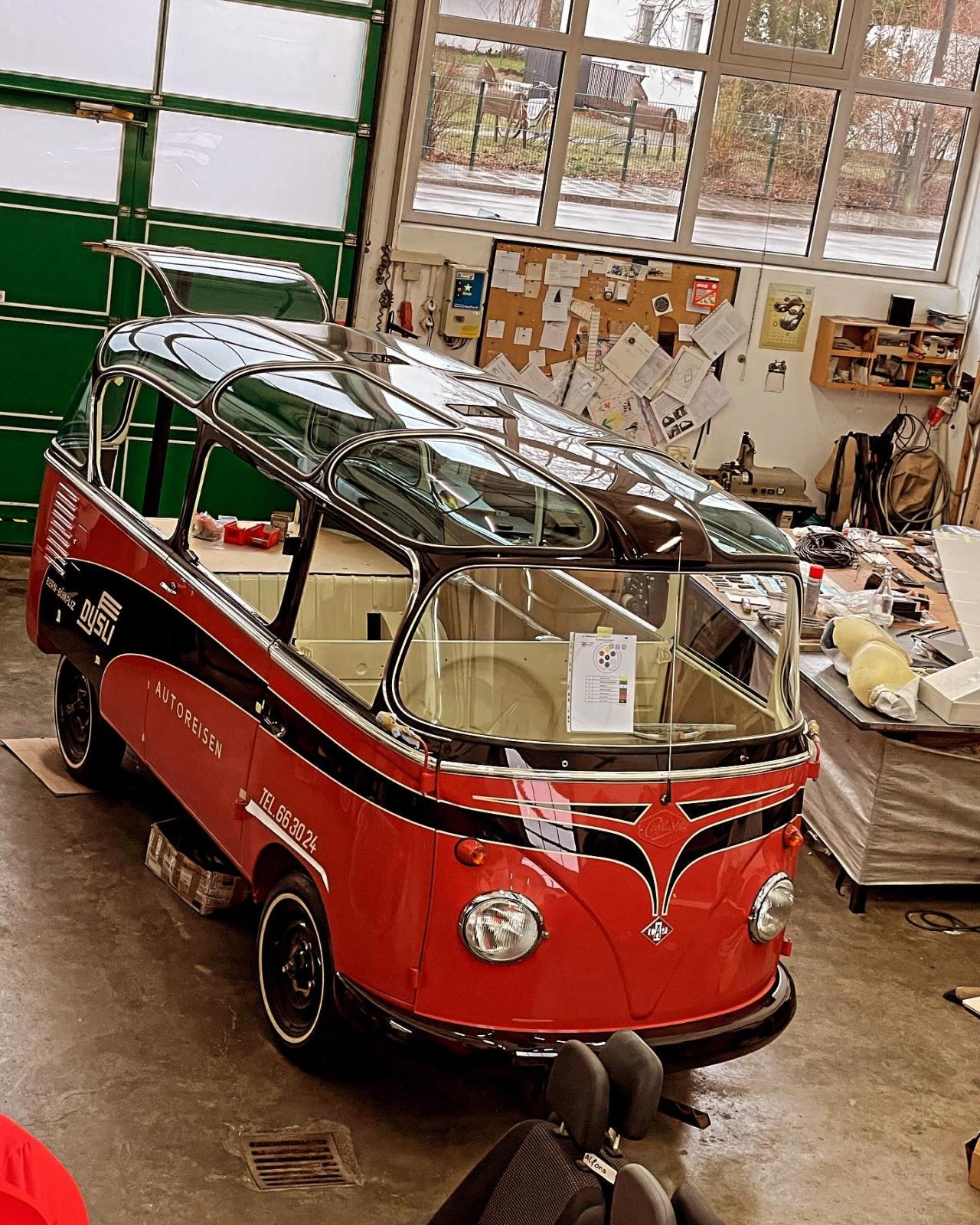
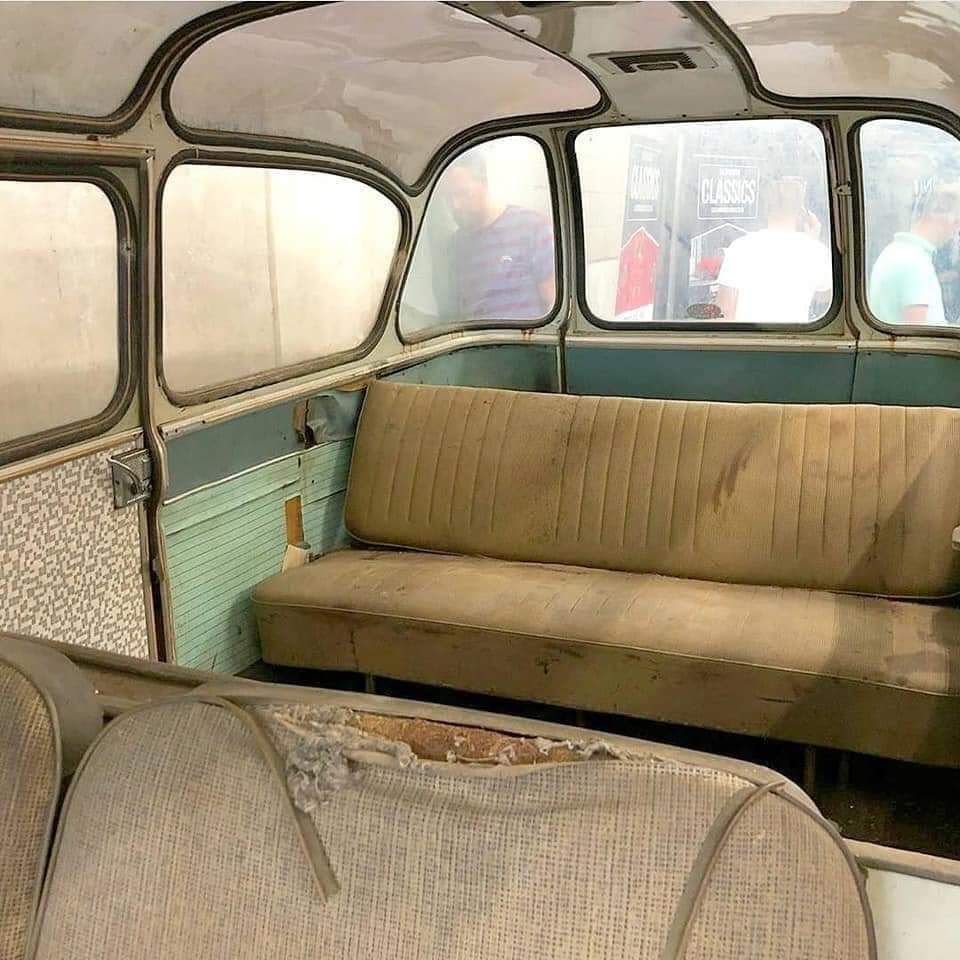
The interior is where the Auwärter Carlux truly stands apart. Coachbuilt wood panelling, high-quality upholstery, and thoughtful spatial layouts replaced the basic bench seating of the standard T1. Depending on the original заказ, interiors could include individual armchair-style seats, fold-out tables, storage cabinets, and enhanced sound insulation. Some examples were configured as mobile lounges, suitable for long-distance travel in relative comfort at a time when such refinement in a light commercial vehicle was highly unusual.
Mechanically, the Carlux retained the standard rear-mounted, air-cooled flat-four engine of the VW T1, prioritising reliability and ease of maintenance over performance. This continuity with Volkswagen’s proven engineering was part of the Carlux’s appeal: owners benefited from bespoke luxury without sacrificing the dependability that made the Transporter so successful worldwide.
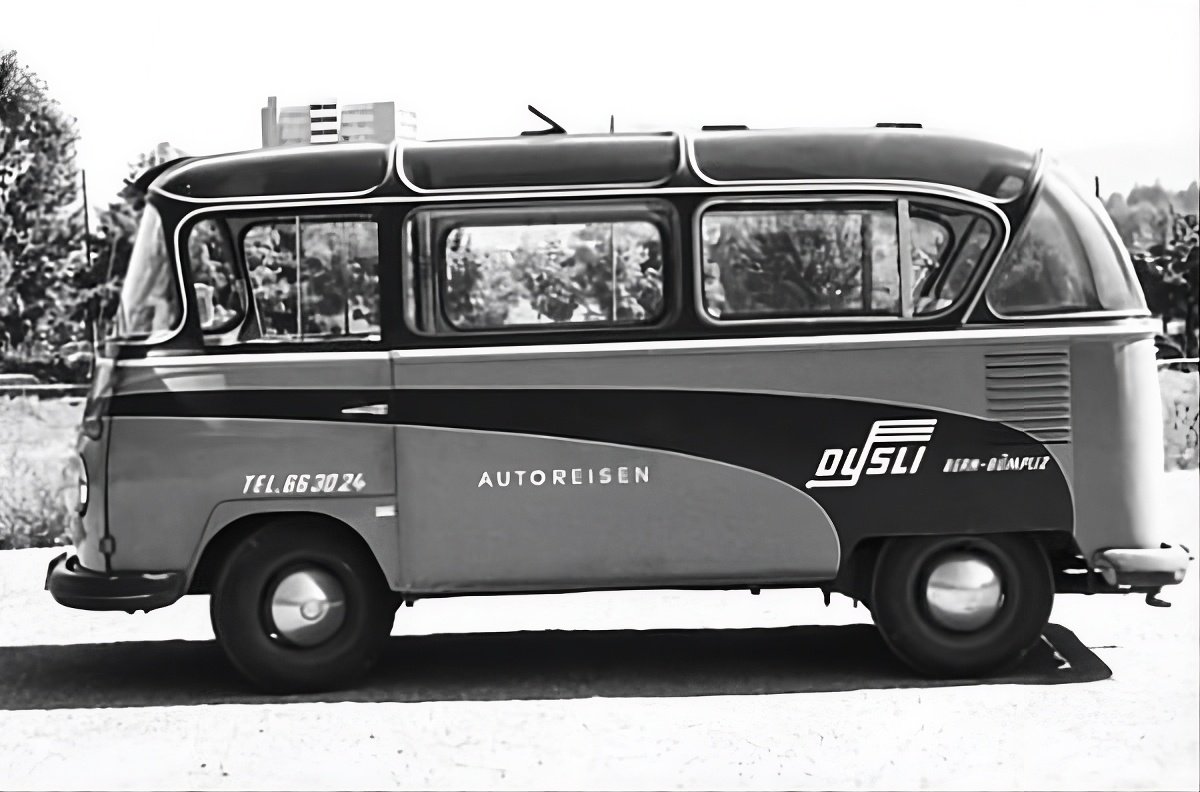
What makes the VW T1 Auwärter Carlux exceptionally rare today is the combination of low production numbers and the hard lives many early Transporters endured. As a high-cost conversion, the Carlux was never widely sold, and few were preserved once they fell out of fashion or use. Surviving examples are now highly prized by collectors, particularly those with documented provenance and original interior fittings.

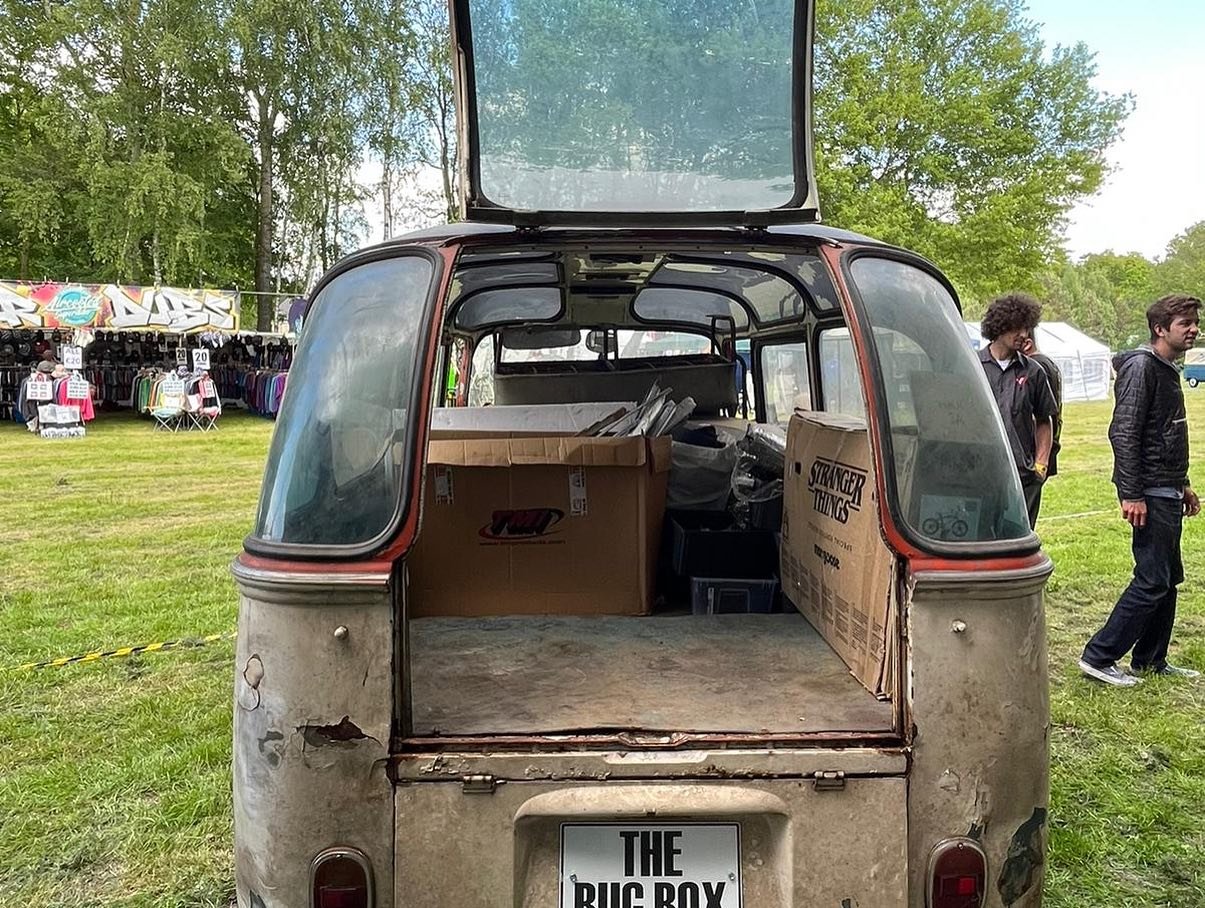
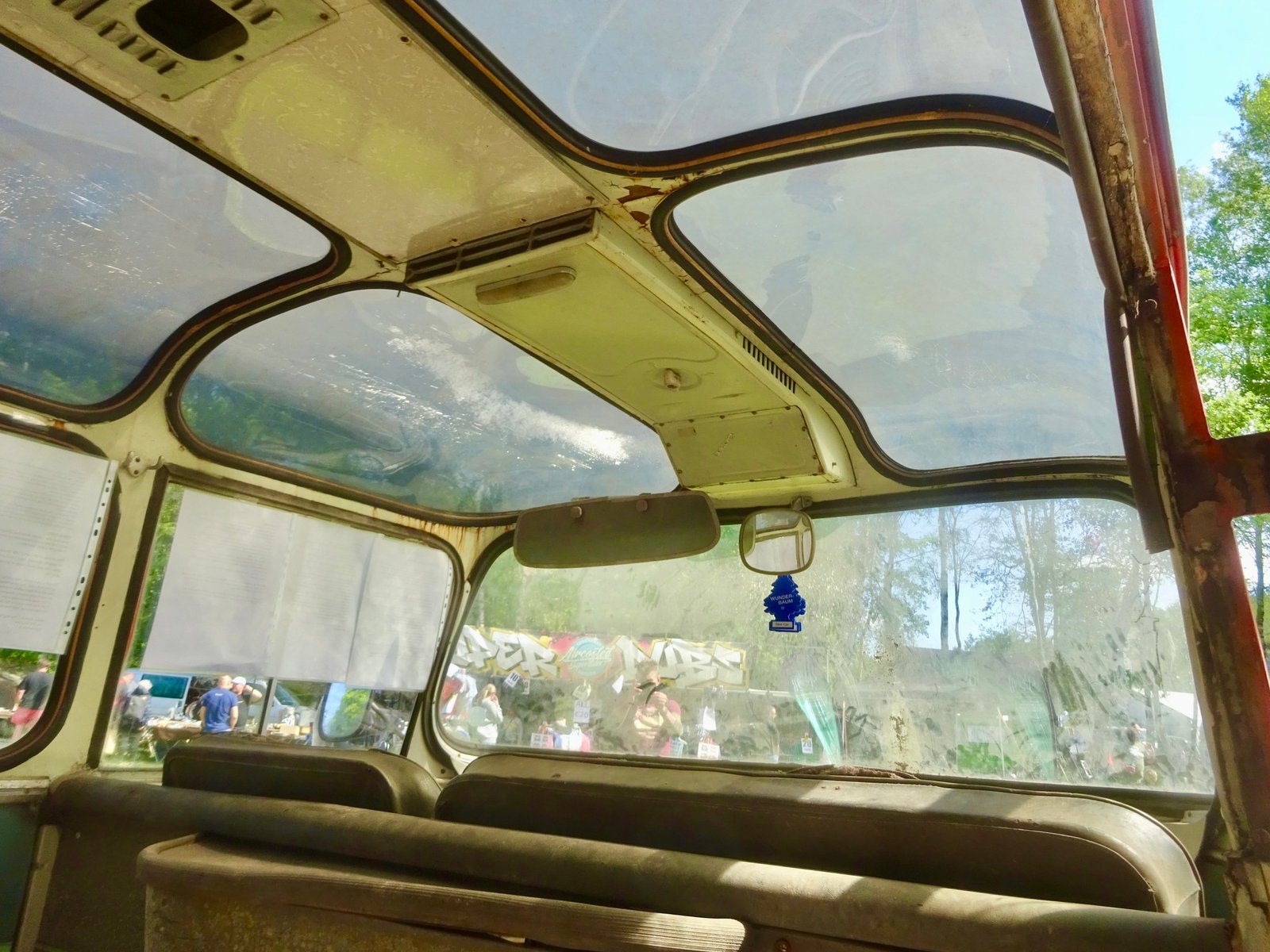
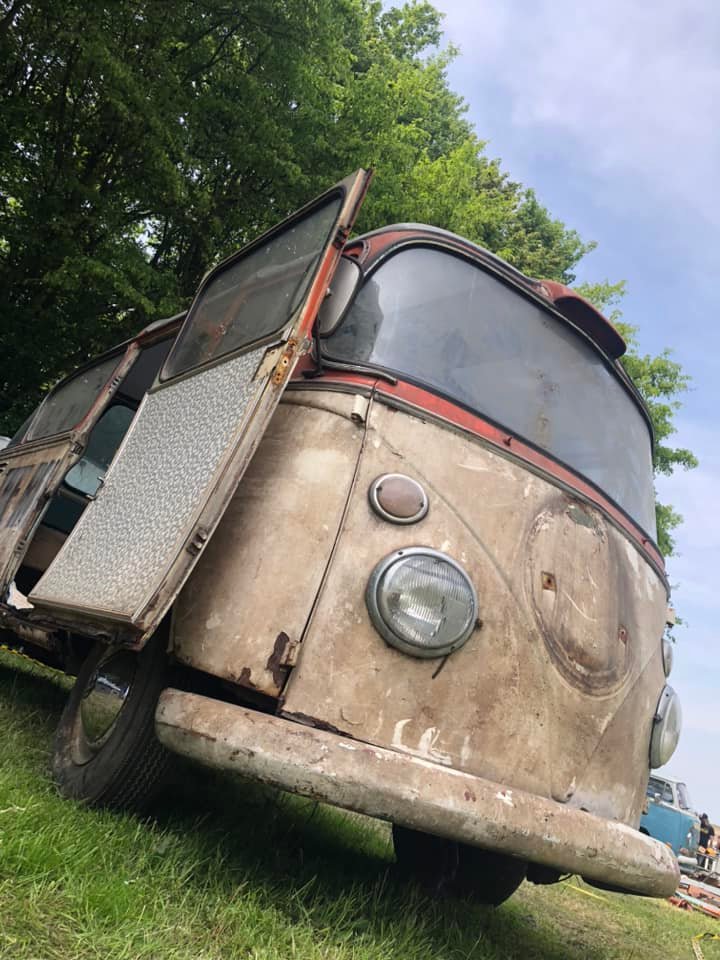
In the broader history of Volkswagen, the Carlux occupies a fascinating intersection between industrial design and artisanal craftsmanship. It demonstrates how the humble VW T1 served as a blank canvas for coachbuilders, capable of being transformed into vehicles that reflected the optimism, innovation, and rising aspirations of post-war Europe.

















Leave a Reply