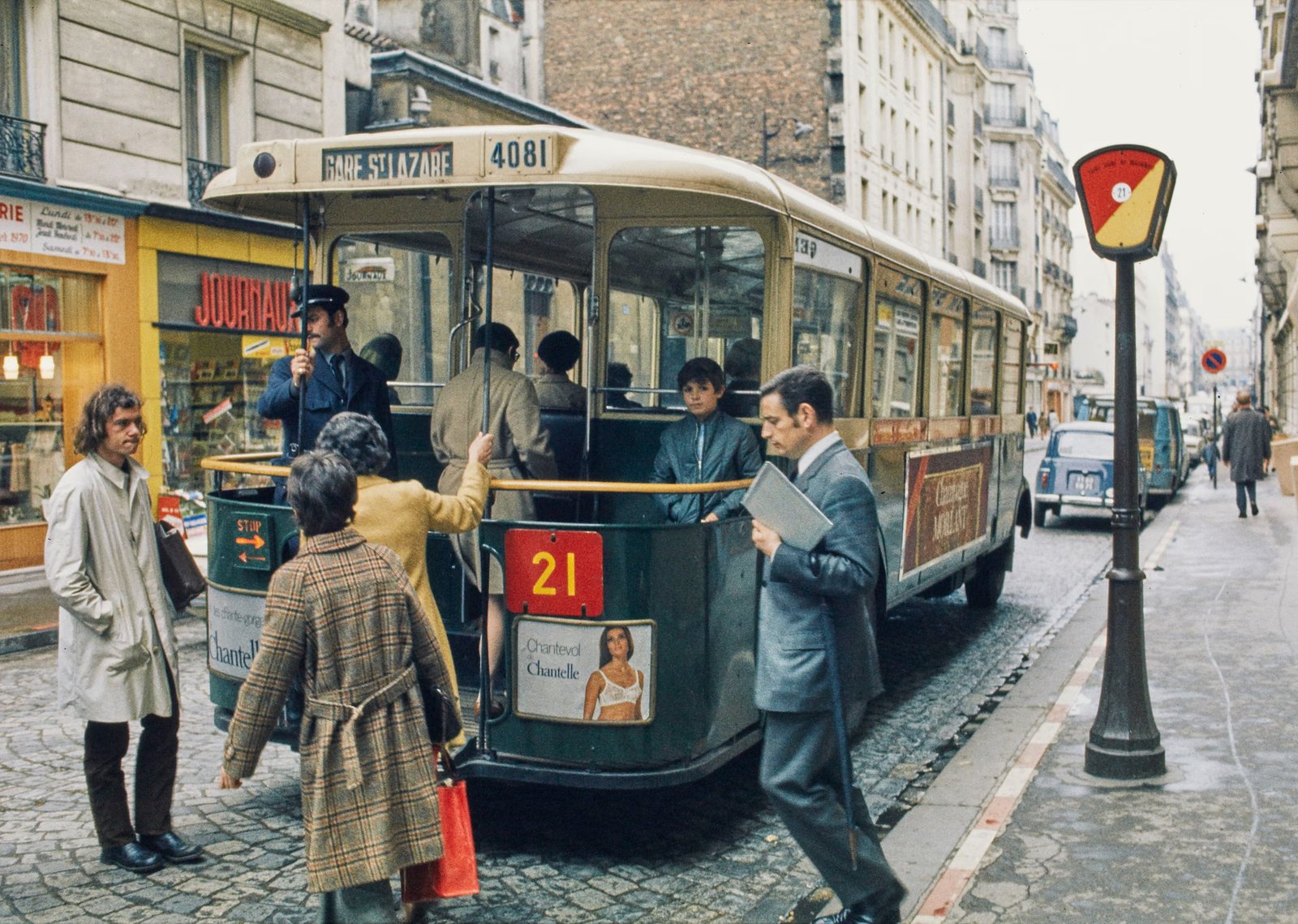

Yet beneath its familiar façade, the city was still absorbing the social and political shockwaves of the late 1960s, particularly the student and worker uprisings of May 1968 that had challenged established authority and transformed French society.
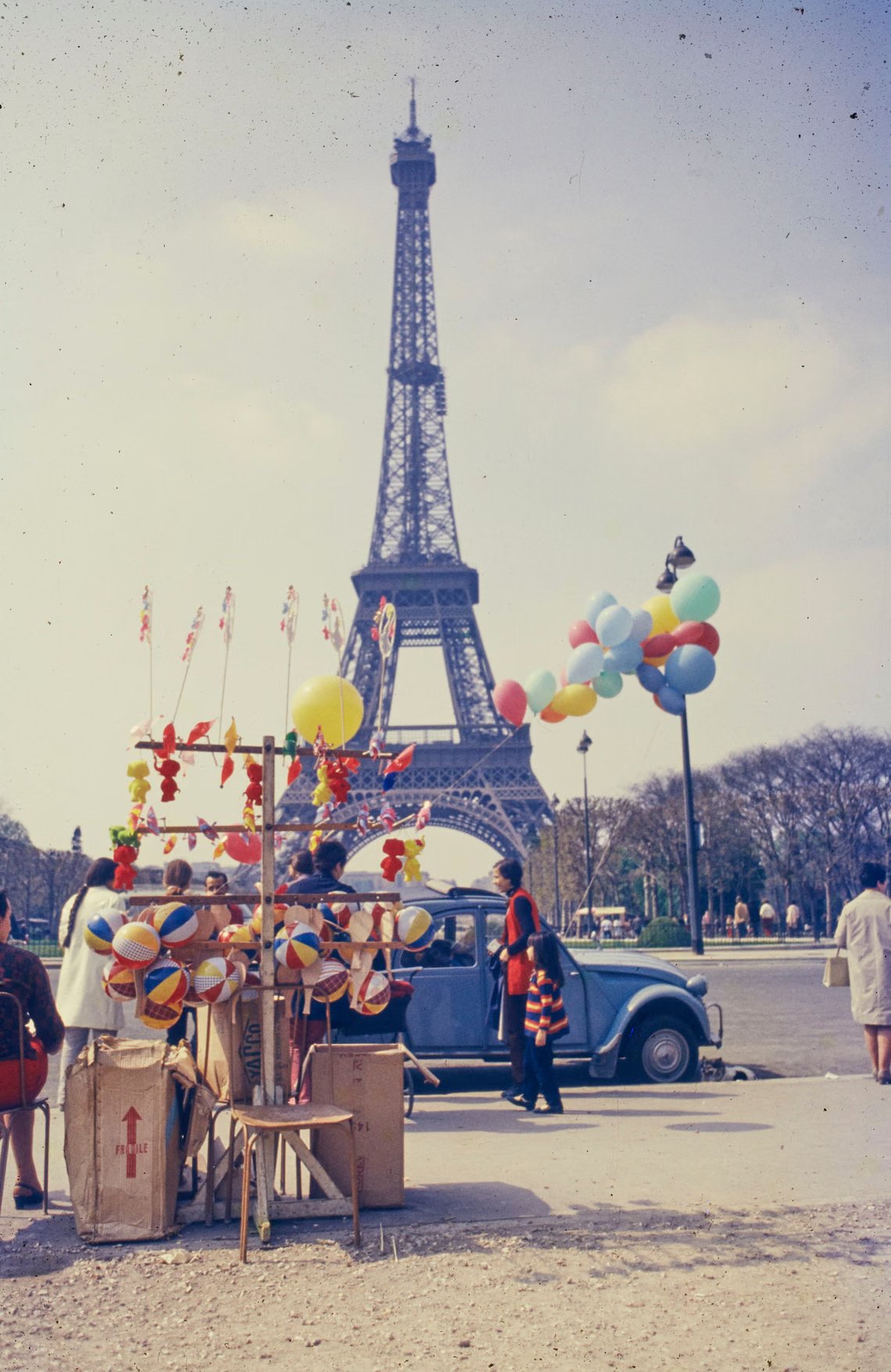
Life in Paris during 1970 was characterised by a mixture of old-world elegance and youthful change. The city itself was physically recognisable to modern visitors. Landmarks such as the Eiffel Tower, Notre-Dame Cathedral and the Louvre Museum dominated the skyline, while neighbourhoods including Montmartre, Saint-Germain-des-Prés and the Latin Quarter continued to define the character of the capital. However, the atmosphere was markedly different from previous decades.
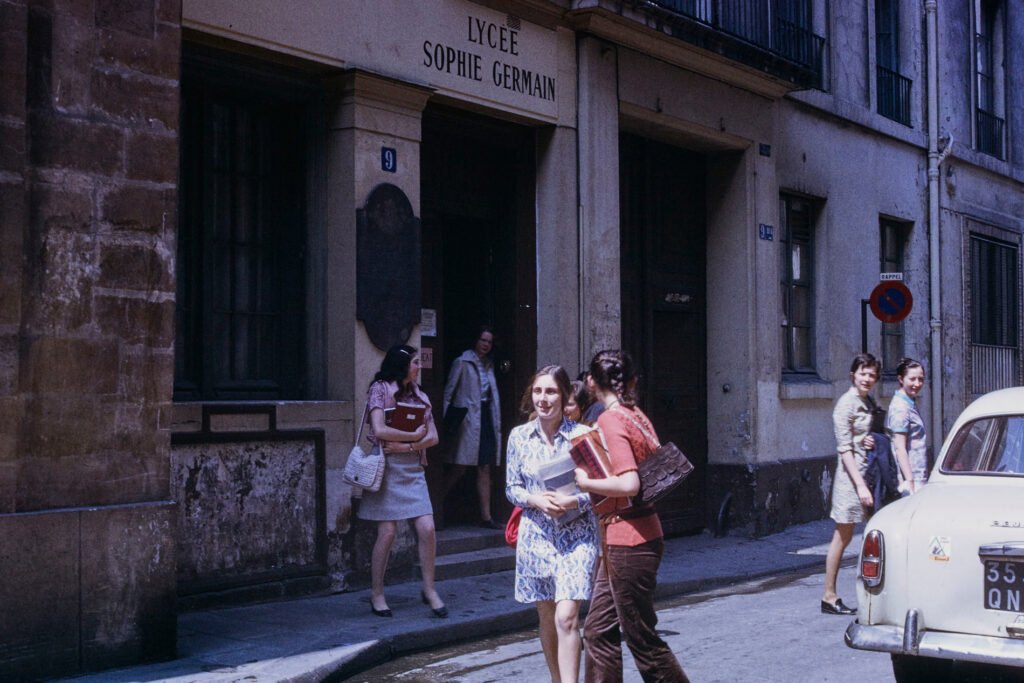
The events of 1968 had left a lasting impression on Parisian life. Students, intellectuals and workers had demanded sweeping reforms in education, employment and politics. Although the protests had subsided by 1970, debates about personal freedom, workers’ rights and social equality remained central to everyday conversation. Universities and cafés were alive with political discussion, while newspapers and magazines reflected a society questioning many of its traditional assumptions.
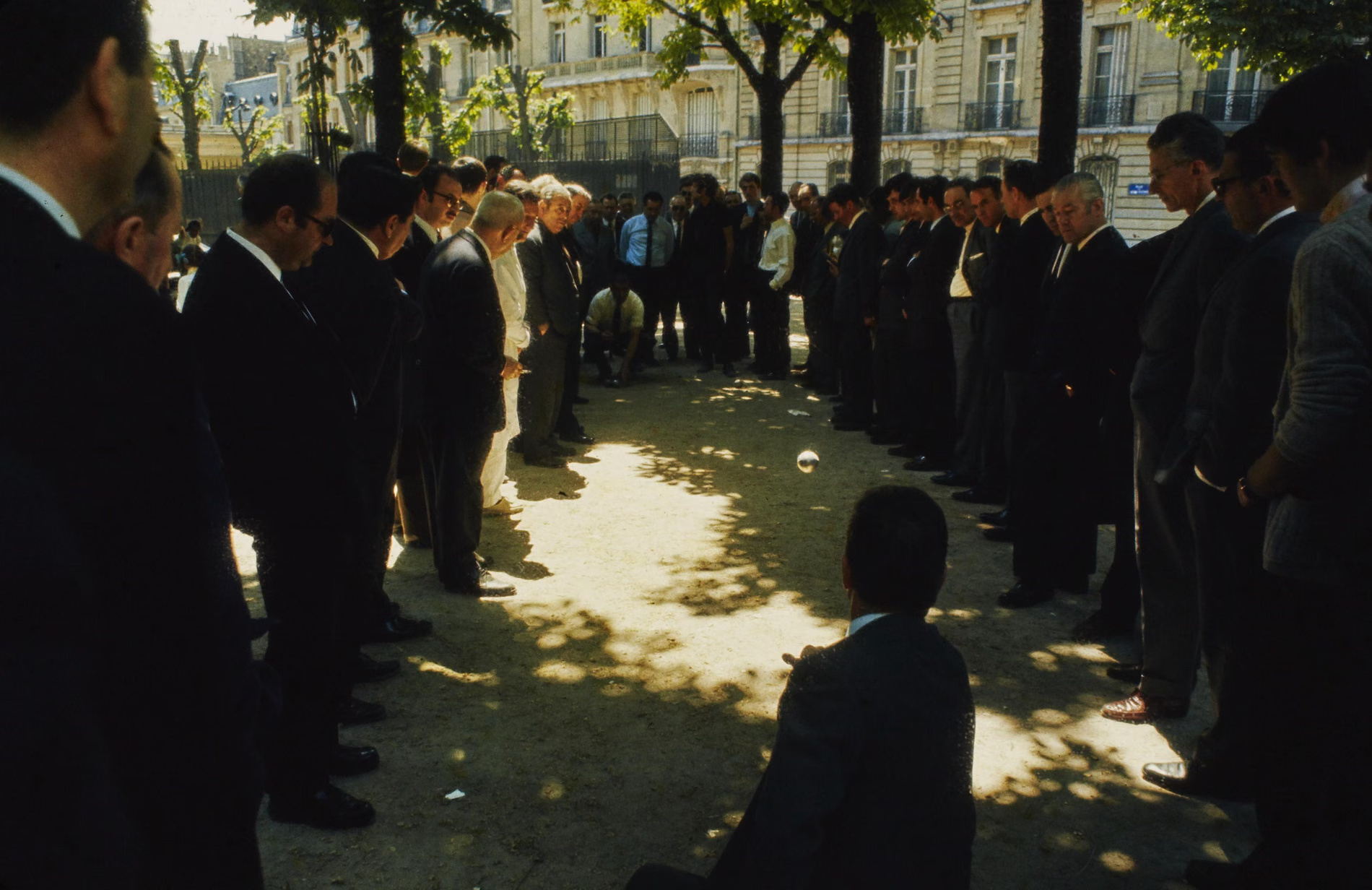
For ordinary Parisians, daily life revolved around work, family and community. Many people still lived in relatively small apartments, particularly in the older districts.
The post-war economic boom, known as the “Trente Glorieuses” or Thirty Glorious Years, had brought rising prosperity to much of France
The post-war economic boom, known as the “Trente Glorieuses” or Thirty Glorious Years, had brought rising prosperity to much of France. Household ownership of televisions, refrigerators and automobiles had increased significantly.
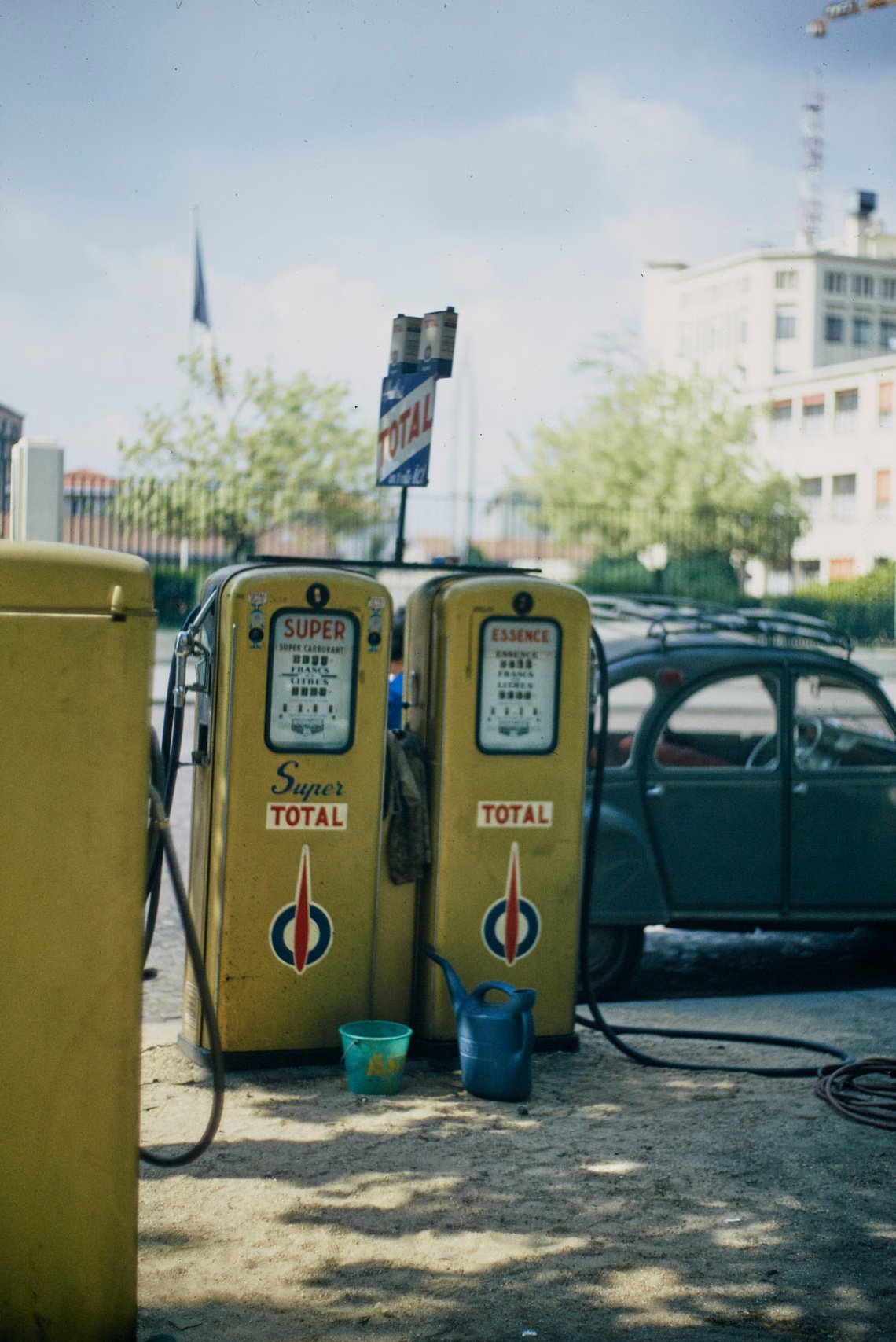
New suburban developments on the city’s outskirts accommodated a growing population seeking modern housing and improved living standards.
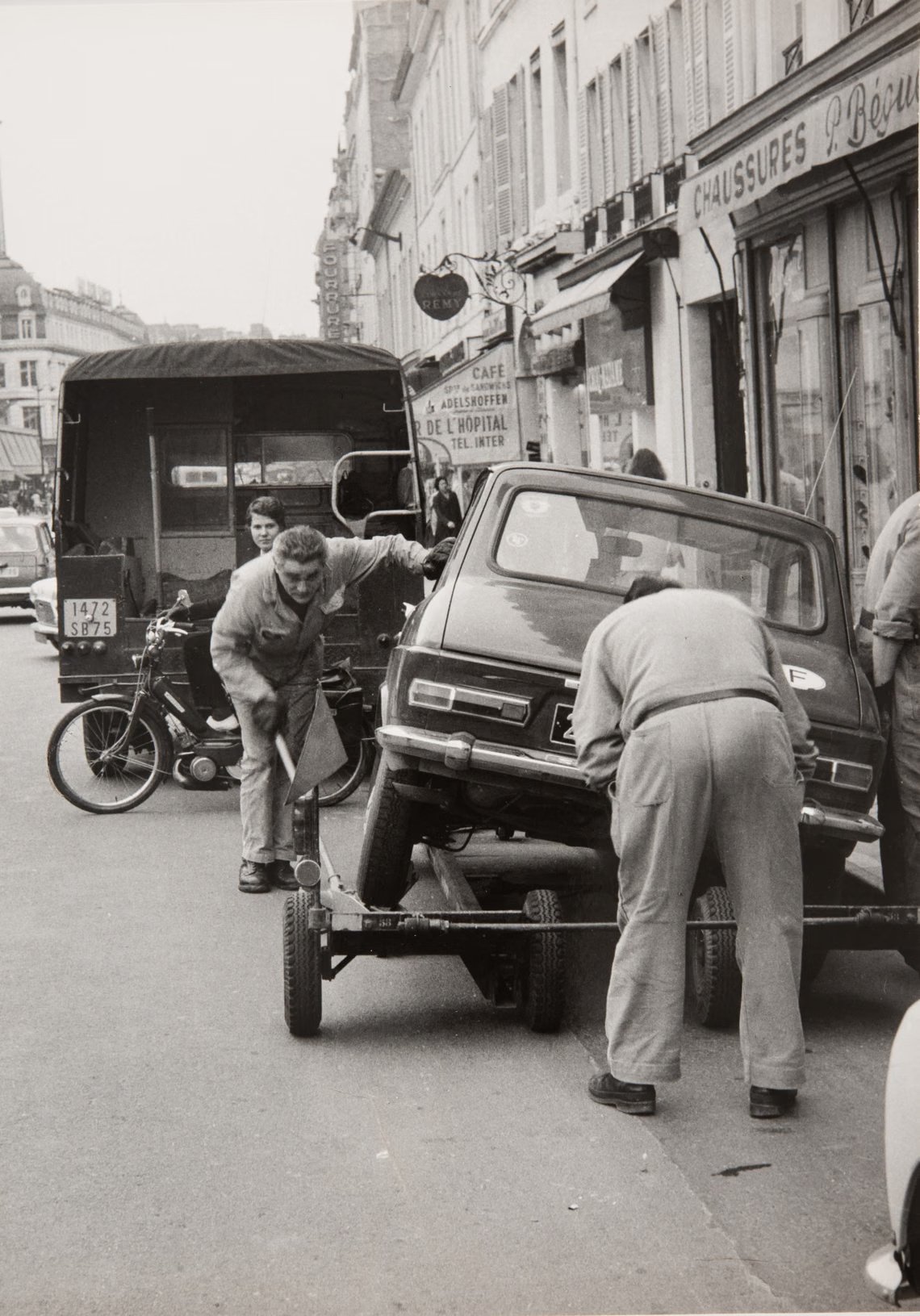
Transportation was dominated by the efficient Paris Métro, which remained the preferred means of crossing the city. Small French cars from manufacturers such as Renault, Peugeot and Citroën filled the streets, though traffic congestion was becoming an increasing concern. Bicycles were common, while walking remained an essential part of urban life.
Paris in 1970 was also a centre of global culture. Cinema flourished, building upon the legacy of the French New Wave movement pioneered by directors such as François Truffaut and Jean-Luc Godard. Music reflected changing tastes, with traditional French chanson sharing space with rock, pop and international influences arriving from Britain and the United States. Fashion houses continued to shape global trends, reinforcing Paris’s reputation as a world capital of style.
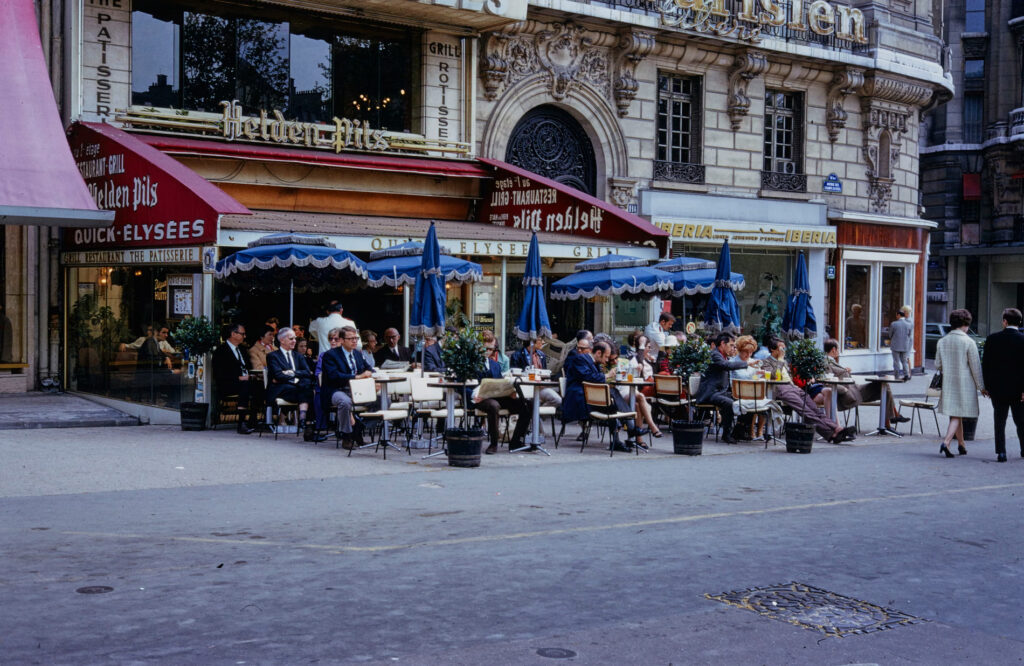
The café remained one of the defining features of Parisian life. Locals gathered over coffee, wine and lengthy conversations, while writers, artists and students used cafés as informal workplaces and meeting places. Bookshops lined the Left Bank, theatres attracted enthusiastic audiences, and galleries showcased both established and emerging artists.
Yet Paris was also changing physically. Modern office developments were beginning to appear, particularly in the emerging business district of La Défense. Urban planners sought to modernise infrastructure while preserving the city’s historic character, a balancing act that would continue for decades.

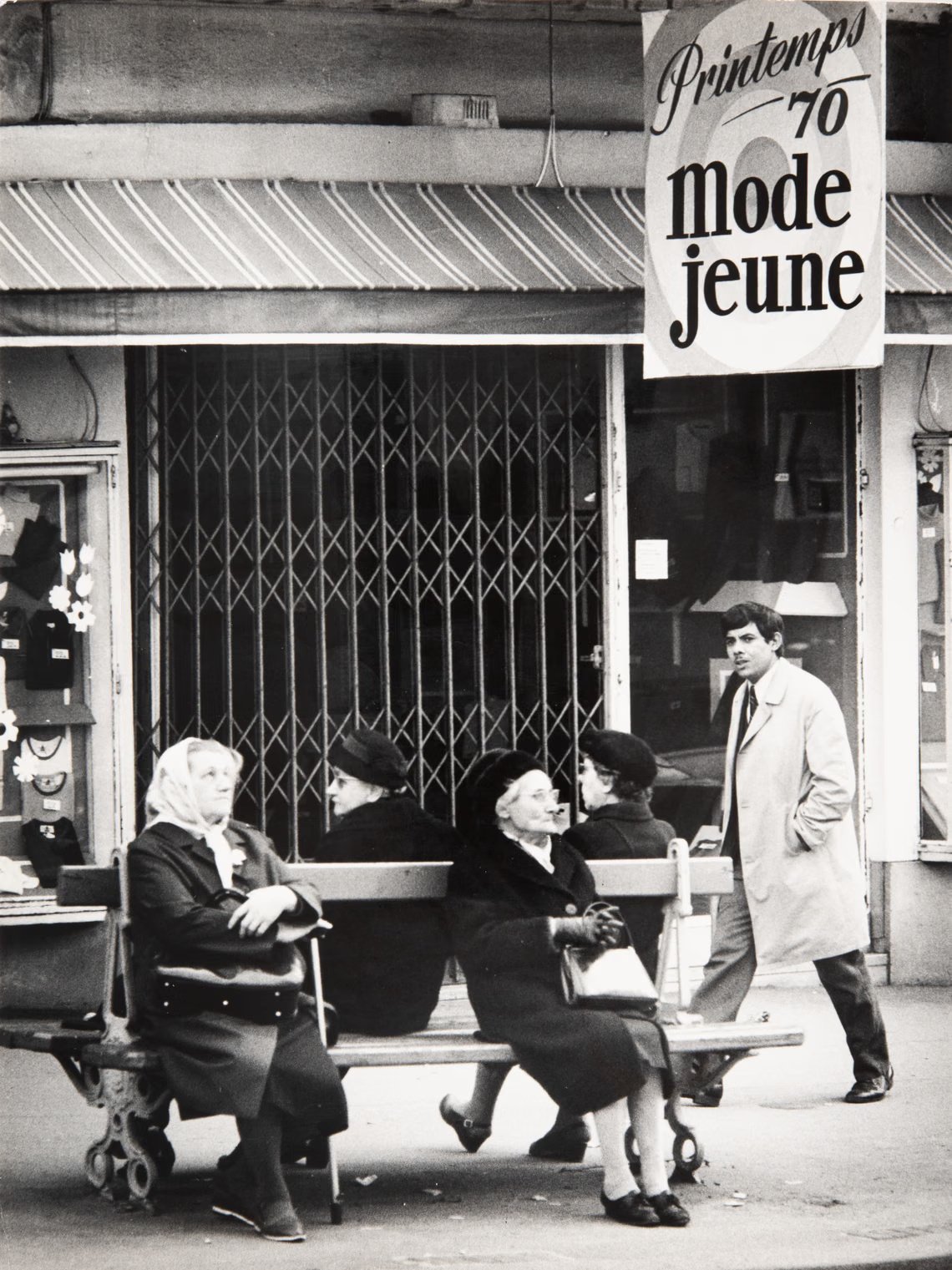
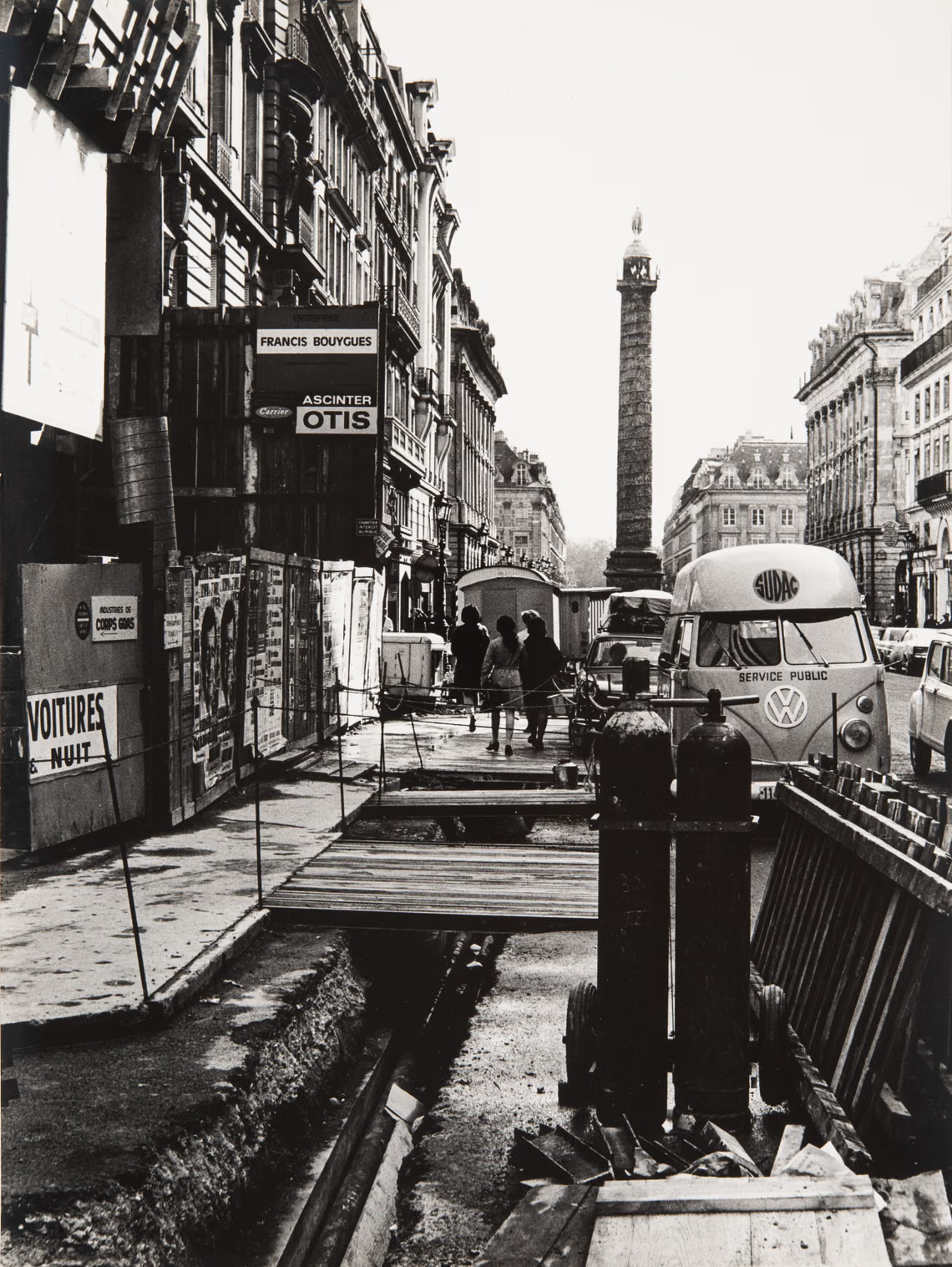

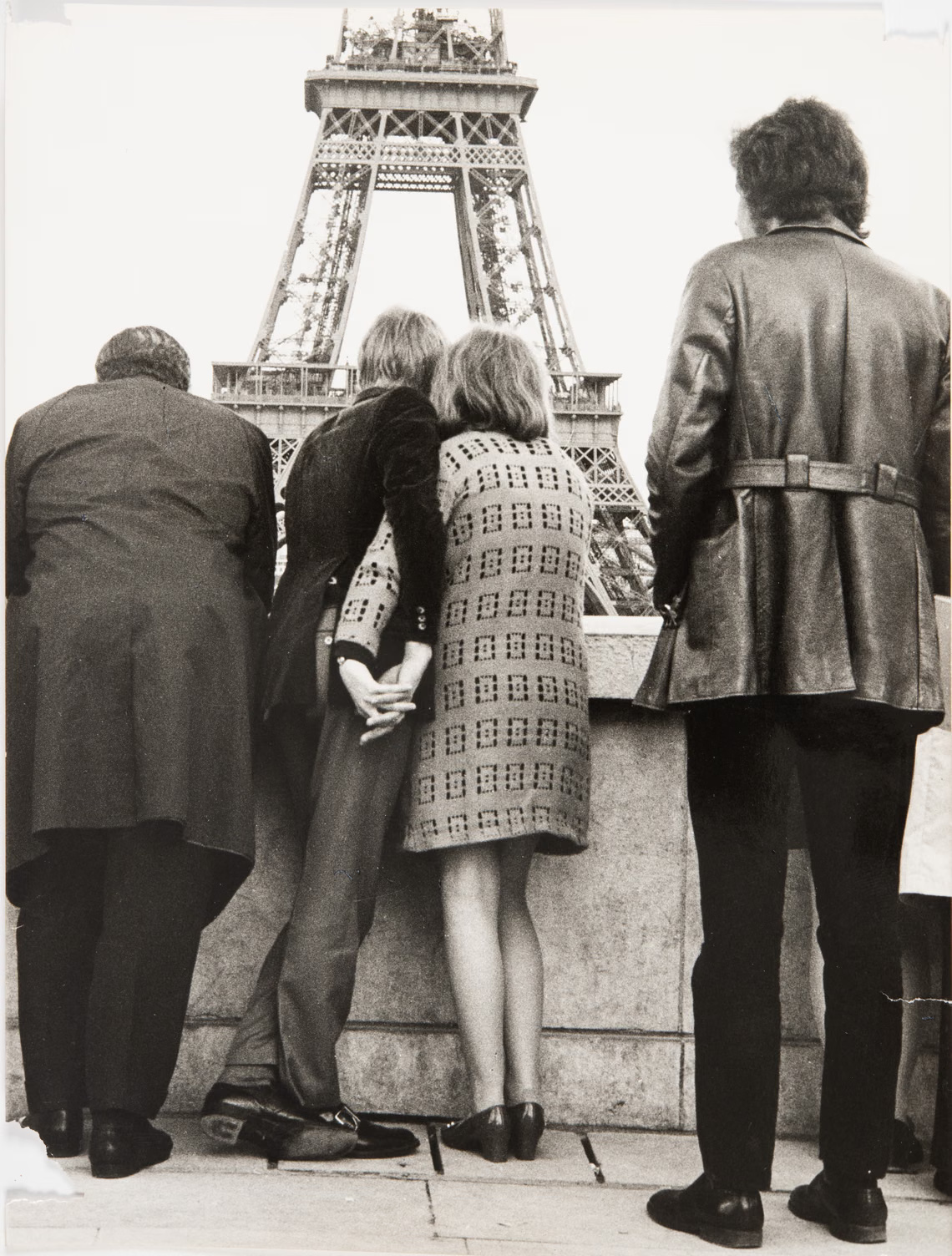
In many ways, Paris in 1970 represented a city between eras. The grandeur and traditions that had defined the French capital for centuries remained intact, but a younger, more questioning and increasingly international society was reshaping its future. It was a moment when old Paris and modern Paris coexisted, creating a dynamic and memorable chapter in the city’s long history.
Leave a Reply