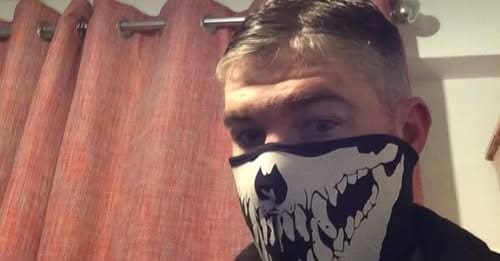
The recent crossbow attack in Leeds has attracted national attention not only because of its shocking nature but also because of the ideological motivations behind it. Owen Lawrence, the alleged perpetrator, was not on the radar of security services, yet he had a disturbing history of online extremism, misogyny, and violent intent.
This case illustrates the growing threat of self-radicalized individuals influenced by online extremist subcultures.
No known group affiliations
Despite the ideological underpinnings of the attack, there is no evidence that Lawrence was formally affiliated with any known extremist groups. Authorities have confirmed that he was not a member of any local or national far-right organization and had no known associates tied to proscribed groups such as National Action.
While cities like Leeds have seen past arrests linked to organized extremist movements, Lawrence’s radicalization appears to have taken place in isolation, primarily online. His trajectory is consistent with a pattern of ‘lone actor’ terrorism—where individuals act without direct support but are influenced by broader ideological movements.
Ideological influences
Investigations have revealed that Lawrence was immersed in online communities that propagate far-right, misogynistic, and “incel” ideologies. In a manifesto posted on Facebook shortly before the attack, he cited motivations of “terrorism, revenge, and misogynistic rage.”
He referenced Brenton Tarrant, the Australian terrorist responsible for the Christchurch mosque shootings in 2019, and echoed the “great replacement theory,” a white supremacist conspiracy claiming that white Europeans are being replaced by non-white immigrants.
His social media accounts reportedly included hate speech, extremist memes, and references to mass shootings, underscoring a deep engagement with violent online subcultures. This virtual echo chamber likely played a significant role in the development of his worldview and eventual violent actions.
Extremist symbols
Although authorities have not publicly disclosed a full list of the symbols Lawrence used, his online footprint included common markers of far-right extremism. These may have included:
- Swastikas and SS runes, both associated with neo-Nazi ideology.
- Sonnenrad (Black Sun), a symbol adopted by white supremacists.
- Numerical codes such as 14 and 88, referencing white nationalist slogans and “Heil Hitler.”
- Incel-related memes and language, reflecting misogynistic narratives that glorify violence against women.
These symbols serve as both ideological markers and recruitment tools within extremist communities, enabling individuals to signal allegiance and find like-minded peers.
Not being monitored
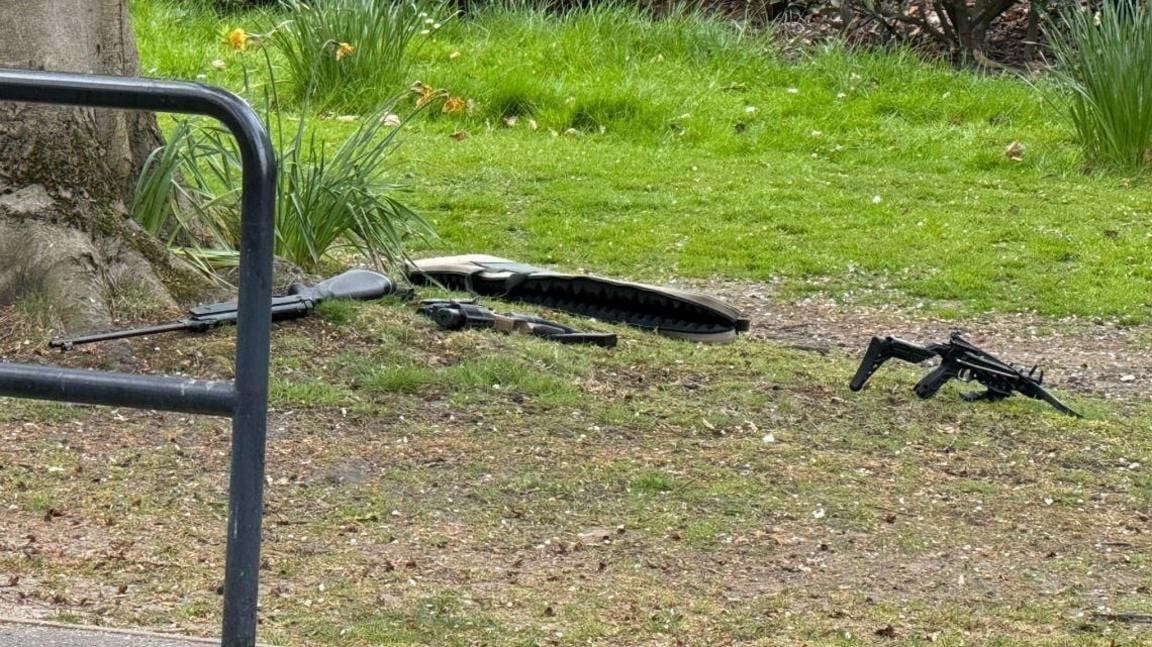
Crucially, Lawrence was not being monitored by security services at the time of the attack. He had no prior record with counter-terrorism authorities, despite a history of disturbing behaviour that included stalking a former partner, mental health issues, drug use, and possession of weapons.
The lack of surveillance or intervention has sparked questions about missed warning signs and systemic gaps in identifying lone actors who may not have formal ties to extremist networks.
Growing concern
The case of Owen Lawrence underscores a growing concern among counter-terrorism professionals: the increasing threat posed by individuals radicalized in online environments without direct organizational support.
These actors are harder to detect and disrupt, as they often blend into ordinary life until they act out violently.
Authorities continue to investigate Lawrence’s background and online activity to determine whether additional preventive measures or policy changes are warranted.
Grim reminder
Owen Lawrence’s case highlights the shifting nature of extremism in the digital age. As ideological indoctrination moves further online and away from traditional group structures, the challenge for security services becomes not just monitoring known organizations but identifying the ideological and behavioral markers of radicalized individuals operating in isolation.
The tragedy in Leeds serves as a grim reminder of what can occur when such signs go unnoticed.


