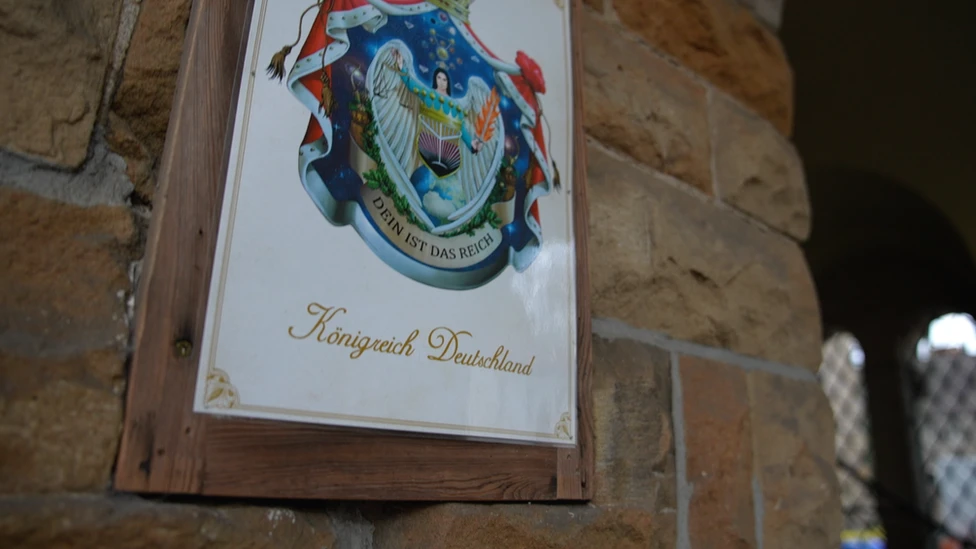
The German government has officially banned the far-right group ‘Kingdom of Germany’ (Königreich Deutschland, KRD), some of whose members were arrested for involvement in a suspected coup plot in 2022.
The ban marks a significant step in Germany’s ongoing efforts to combat extremist threats to the democratic order.
It was accompanied by a series of coordinated raids across multiple federal states, resulting in the arrest of four key leaders, including the group’s founder and self-proclaimed ‘King,’ Peter Fitzek.
Origins and ideology
Established in 2012 by Peter Fitzek, a former chef and martial arts instructor, the KRD is rooted in the broader Reichsbürger (Reich Citizens) movement.

This movement rejects the legitimacy of the modern German state, asserting that the German Reich continues to exist and that the Federal Republic is an illegitimate entity.
Fitzek’s KRD took these beliefs further by creating a self-styled ‘kingdom’ complete with its own constitution, currency, banking system, and governmental institutions.
The group claimed to have approximately 6,000 followers, though official estimates suggest a lower number of active members.
Activities and legal violations
The KRD’s operations extended beyond ideological assertions. The group established unauthorized financial institutions, including a bank and an insurance system, and issued its own identification documents and currency.
These activities led to previous legal actions against Fitzek, who has a history of convictions for offenses such as operating a bank without a license and embezzlement.
Despite regulatory interventions, the KRD continued its operations, prompting increased surveillance and eventual action by German authorities.
Government crackdown
The decision to ban the KRD was driven by concerns over its anti-constitutional activities and the establishment of a ‘counter-state’ that threatened Germany’s democratic framework.
Interior Minister Alexander Dobrindt emphasized that the group’s actions were not merely symbolic but constituted a tangible threat through the creation of parallel structures and the propagation of antisemitic conspiracy theories.
The group established unauthorized financial institutions, including a bank and an insurance system, and issued its own identification documents and currency
The crackdown involved approximately 800 police officers conducting searches in 14 properties across seven federal states, including Saxony, Brandenburg, and North Rhine-Westphalia.
Authorities seized assets, blocked the group’s online platforms, and arrested four individuals identified as key leaders. These included Peter Fitzek and three others, who were responsible for various aspects of the group’s operations, from financial management to ideological dissemination.
Broader implications
The banning of the KRD reflects Germany’s broader strategy to address the rise of far-right extremism within its borders.
The Reichsbürger movement, to which the KRD belongs, has been under scrutiny since 2016 following violent incidents, including the fatal shooting of a police officer.
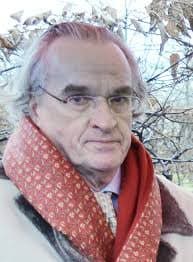

The movement gained further attention in 2022 when authorities thwarted a planned coup involving its members. According to the prosecuting authorities, the plot, led by Heinrich XII Prinz, would have installed a former Bundestag member, Birgit Malsack-Winkemann in a new government.
Countering threats
The current ban also occurs in a political climate where the Alternative for Germany (AfD) party has been designated a ‘confirmed right-wing extremist organization’ by the Federal Office for the Protection of the Constitution (BfV), highlighting the government’s commitment to countering threats to its democratic institutions.
By dismantling the KRD and disrupting its operations, German authorities aim to reinforce the rule of law and prevent the establishment of parallel structures that undermine the state’s legitimacy.
The move serves as a clear message that activities threatening the constitutional order will be met with decisive action.


