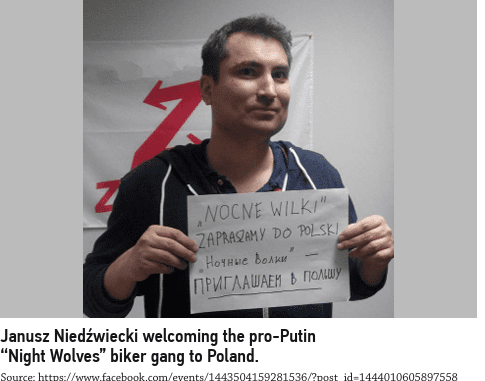
When Anton Shekhovtsov, a Ukrainian researcher of Europe’s far right and a former Searchlight contributor, published his forensic 2021 study “The Niedźwiecki case: The Rise and Fall of a Polish Agent of the Kremlin Influence”, it appeared at first glance to be a niche story about a Polish activist accused of espionage.
But also featuring in the 80-page report were names that were more familiar in Westminster and Brussels than in Warsaw. They had, Shekhovstov said, been targeted by a Russian spy network seeking to find western voices prepared to amplify pro-Russia views and perspectives.
Focus on Brexit Party
Among them were Nathan Gill, the recently convicted former UKIP and Brexit Party MEP for Wales and fellow Brexit Party MEPs Jonathan Arnott, David Coburn, and James Wells.
Individuals from other parties – MEPs Shaffaq Mohammed and Bill Newton Dunn of the Liberal Democrats, and former MEP, now Conservative peer, Lord Balfe – were also targeted, but the main focus appears to have been on Nigel Farage’s Brexit Party MEPs.
Of the 12 MEPs named in the report from various European countries, six are from the UK and four of those represented the Brexit Party.
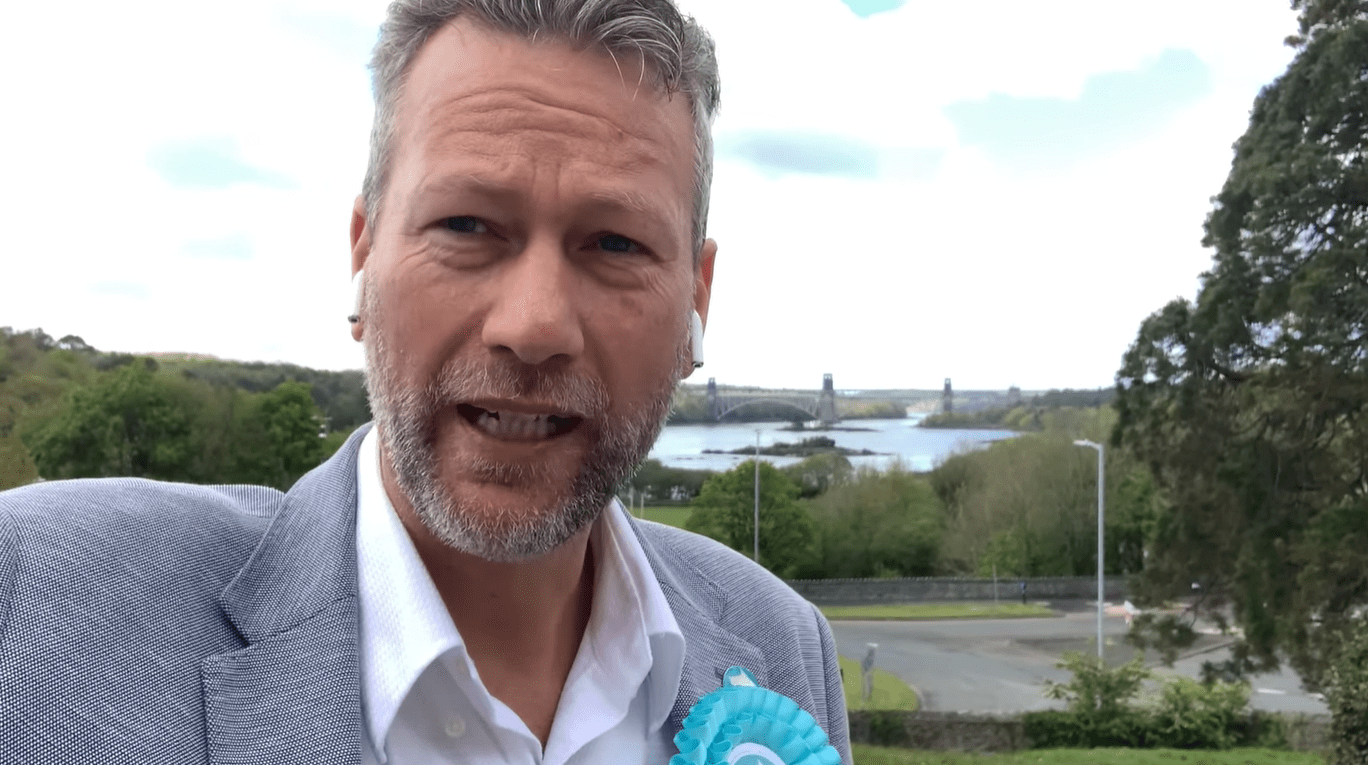
There is no suggestion that any of them realised that they were being wooed by Russian agents or were guilty of any criminal or illegal activities, but together they form part of a striking pattern in Shekhovtsov’s narrative – one in which figures from Britain’s populist right became woven into the same network as Eastern European actors advancing the Kremlin’s agenda.
Russian intelligence
Shekhovtsov’s report reconstructs the career of a little-known Polish political operative, Janusz Niedźwiecki, who began as a local party activist but was arrested in 2021 on charges of collaborating with Russian intelligence.
Niedźwiecki is currently standing trial in Warsaw on charges of espionage for Russia.
The case, brought by Poland’s Internal Security Agency (ABW), centres on allegations that he acted on behalf of Russian intelligence between 2016 and 2021 to build spheres of influence in Europe and undermine Polish support for Ukraine’s pro-Western aspirations.
Kremlin narratives
He is accused of disseminating Kremlin-aligned narratives and organising politically biased election observation missions designed to legitimise authoritarian regimes.
Niedźwiecki is also said to have founded the European Council on Democracy and Human Rights – a group whose name mimics official EU institutions – as a vehicle for recruiting sympathetic voices and and gaining access to international forums.
If convicted, Niedźwiecki faces up to 15 years in prison. The case forms part of a broader effort by Polish authorities to dismantle Russian intelligence networks operating in Central and Eastern Europe.
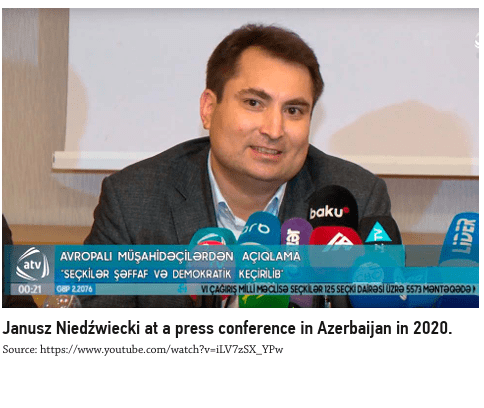
Niedźwiecki’s route to alleged espionage, the report shows, ran through a circuit of “politically biased election observers” – Europeans who attended dubious referendums in Russian-occupied Crimea or separatist regions of Ukraine, offering the Kremlin a veneer of legitimacy.
Over time, these operations morphed into what Shekhovtsov calls a “malign-influence ecosystem”: a revolving door of fringe politicians, fake NGOs and lobby groups posing as human-rights organisations.
It was through this network, he argues, that a number of Western politicians – including Britons – were drawn into pro-Russian advocacy under the banner of promoting democracy.
Brexit Party
At the centre of the British strand stands Nathan Gill, who served as a UKIP MEP from 2014 to 2019 and later as Welsh leader of the Brexit Party, and was recently convicted of taking bribes in exchange for promoting Russian policies and views in the European parliament.
Shekhovtsov identifies Gill as “a prominent example of Niedźwiecki’s crossover activities”, linking the Polish fixer’s operations to Western populist parties.
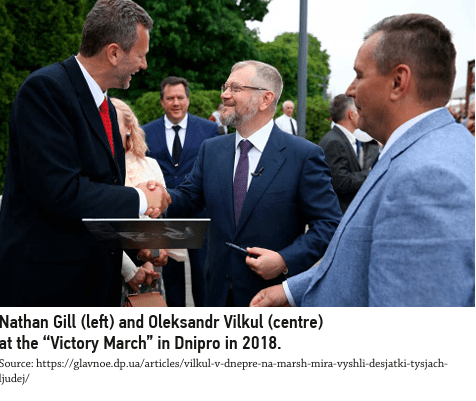
In May 2018, Gill travelled to Ukraine for Victory Day commemorations in Dnipro and Kryvyi Rih – events that by then had become hotbeds of pro-Russian symbolism.
The visit, arranged by Niedźwiecki on behalf of Oleg Voloshin and Nadia Borodi of Ukraine’s pro-Kremlin Opposition Bloc, was paid for by Voloshin’s foundation “Ukrainian Perspective”.
It was Voloshin who paid Gill the bribes for which he was later convicted.
Niedźwiecki handled Gill’s itinerary and accommodation personally, finalising details at a dinner in Strasbourg.
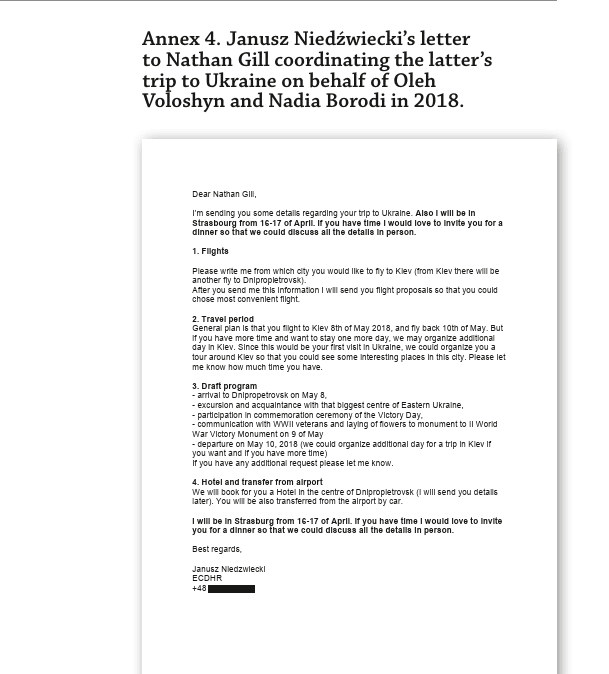
Gill’s presence lent international respectability to ceremonies that Kyiv regarded as Kremlin-inspired provocations.
Photographs from the time show him speaking to local media about reconciliation and “common European values”, lines Shekhovtsov notes were echoed by Russian state outlets covering the event.
Gill’s Ukrainian appearance was not an isolated episode. The report traces a wider pattern of involvement with pro-Kremlin media and organisations.
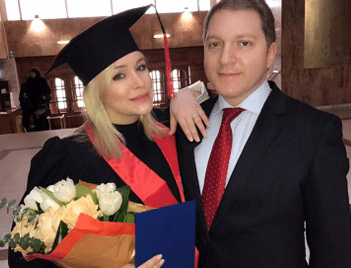
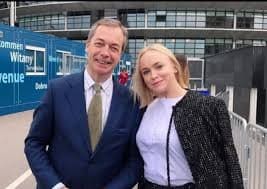
Since 2016, Gill had appeared repeatedly on RT UK (formerly Russia Today) questioning EU sanctions on Moscow and accusing Brussels of “hypocrisy” over Crimea.
In September 2018, he surfaced again – this time in Chișinău, the Moldovan capital, at the Moldo-Russian Economic Forum. The gathering was organised by Andrey Nazarov, co-chair of “Business Russia” and an architect of the Yalta International Economic Forum held in annexed Crimea.
Gill’s expenses were covered by Niedźwiecki’s Brussels-registered NGO, the European Council on Democracy and Human Rights (ECDHR).
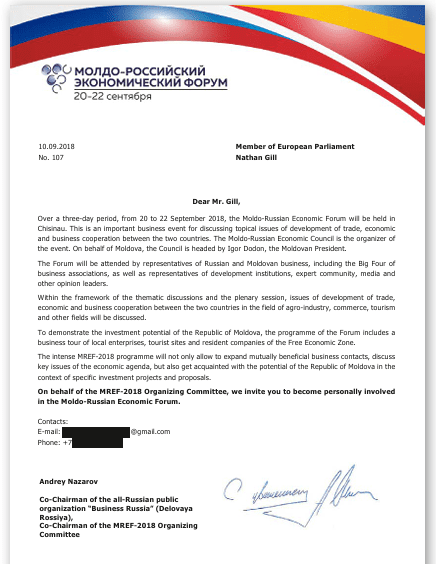
On his official European Parliament declaration, Gill mis-identified the organisation as a benign Brussels human-rights body of the same acronym that campaigns in the Gulf – a confusion that, Shekhovtsov suggests, was deliberate.
At the forum Gill shared a panel titled “Moldova: Between East and West” with Germany’s far-right AfD MP Siegbert Droese and Italian media activist Eliseo Bertolasi.
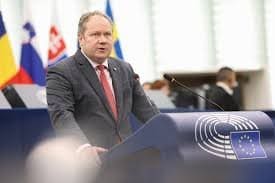
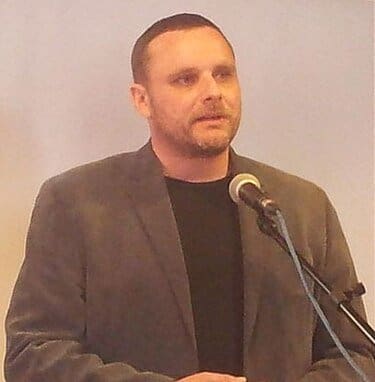
The moderator was the late German journalist Manuel Ochsenreiter, later linked to Russian security-service influence operations, including a ‘false flag’ arson attack on a Hungarian cultural centre in western Ukraine.
Fact finding visit
Barely a month later, in October 2018, Niedźwiecki’s ECDHR financed another mission – this time to Kyiv – involving Gill and two other British MEPs from the Brexit Party’s European Parliament grouping, Jonathan Arnott (North East England) and David Coburn (Scotland).
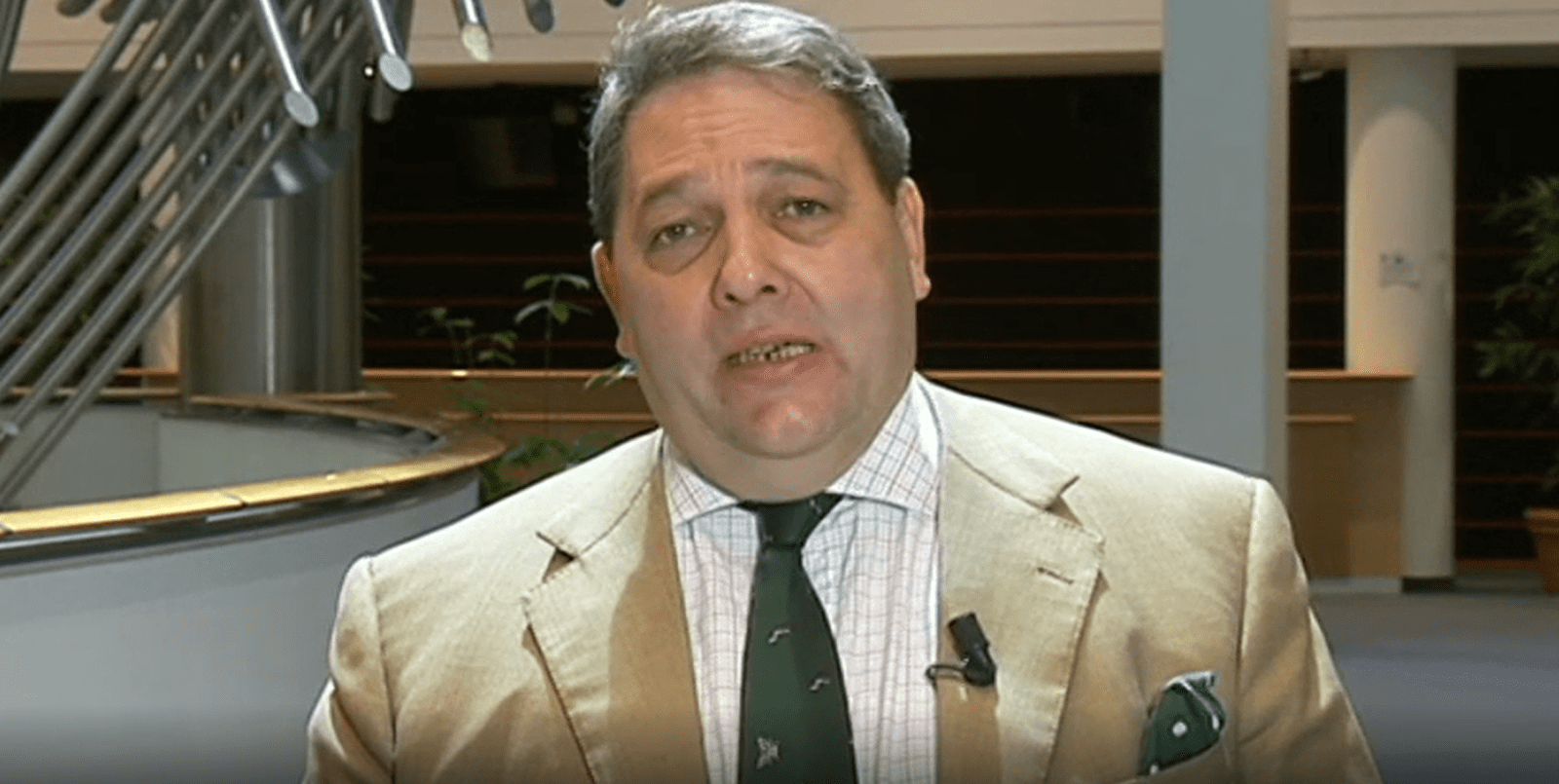
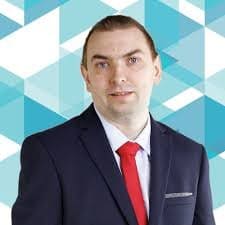
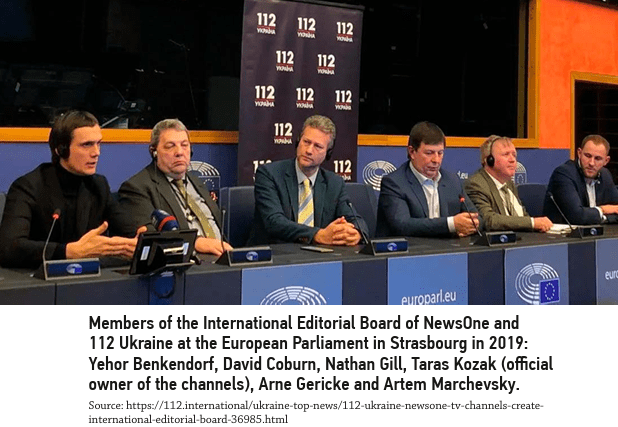
Ostensibly a “fact-finding visit on press freedom”, the trip saw the trio meet journalists from the television channels 112 Ukraine and NewsOne. Both stations were owned by associates of Viktor Medvedchuk, a Ukrainian oligarch and ally of Vladimir Putin later charged with treason in Kyiv.
Lobbying exercise
Shekhovtsov interprets the mission as a lobbying exercise to help protect those channels from Ukrainian sanctions, cloaked in the language of media pluralism.
Soon after, Gill, Coburn and former conservative German MEP Arne Gericke were appointed to a newly-formed “International Editorial Board” for the two broadcasters – alongside Oleg Voloshin and other pro-Russian Ukrainian figures.
In December 2019, the pattern reached the European Parliament itself. Niedźwiecki’s ECDHR organised an event in Strasbourg titled “Violence against journalists and restrictions to free speech in Ukraine”.
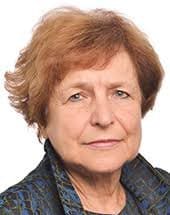
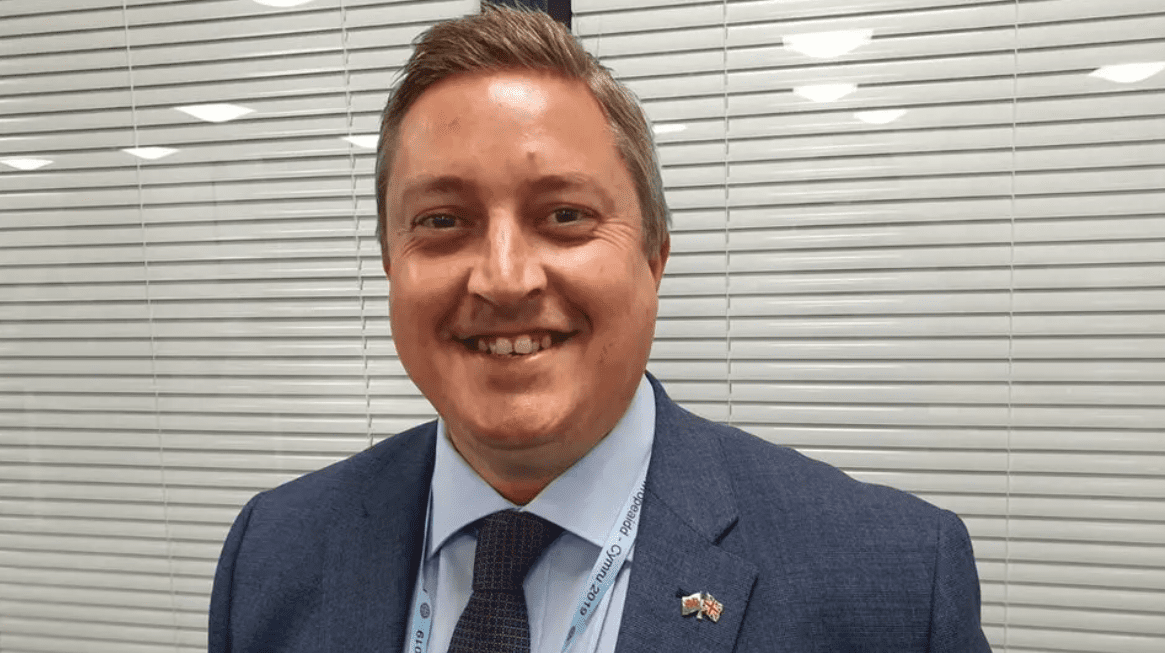
Among the speakers were Nathan Gill; Tatjana Ždanoka, a Latvian MEP notorious for attending the “referendum” in occupied Crimea; and James Wells, a Brexit Party MEP for Wales who had been second on the party’s election list after Gill.
Behind its declared theme of “media freedom” lay a repeated narrative: that Ukraine persecuted journalists and that Western sanctions on Russia were unjust.
Ždanoka and her Latvian and Estonian colleagues Andrejs Mamikins and Yana Toom – all named in the report – had by then visited Damascus to express support for Bashar al-Assad, and were known for voting against European Parliament resolutions condemning Russian aggression.
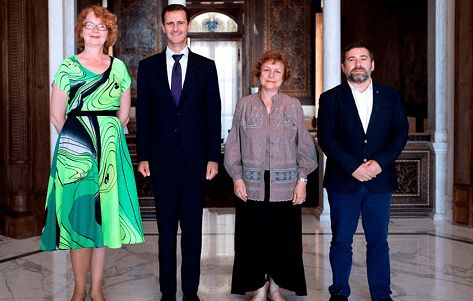
Gill’s presence alongside them, the report suggests, “reflected an ideological convergence between Western populist Eurosceptics and Eastern European pro-Kremlin networks.”
Since the publication of Shekhovtsov’s report, Ždanoka has faced mounting scrutiny over her alleged ties to Russian intelligence.
Leaked emails
A trove of leaked emails suggested that she maintained contact with operatives from Russia’s Federal Security Service (FSB) over a period spanning nearly two decades.
According to reports, she regularly corresponded with two alleged handlers – Dmitry Gladey and later Sergey Beltyukov – providing updates on European Parliament activities, including confidential details from delegations such as the 2014 visit to Kyiv during the Maidan protests.
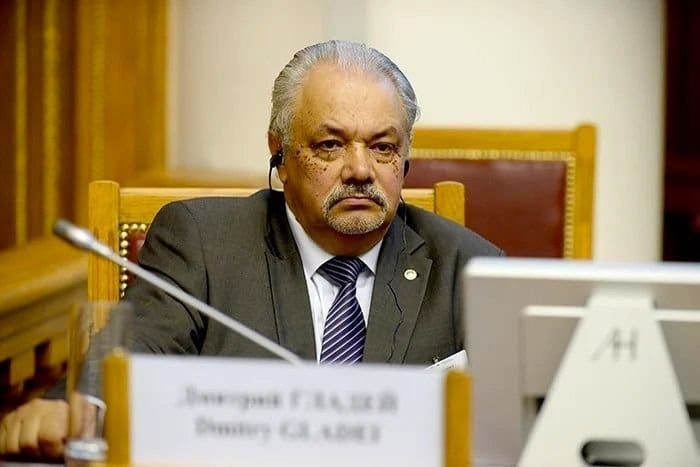
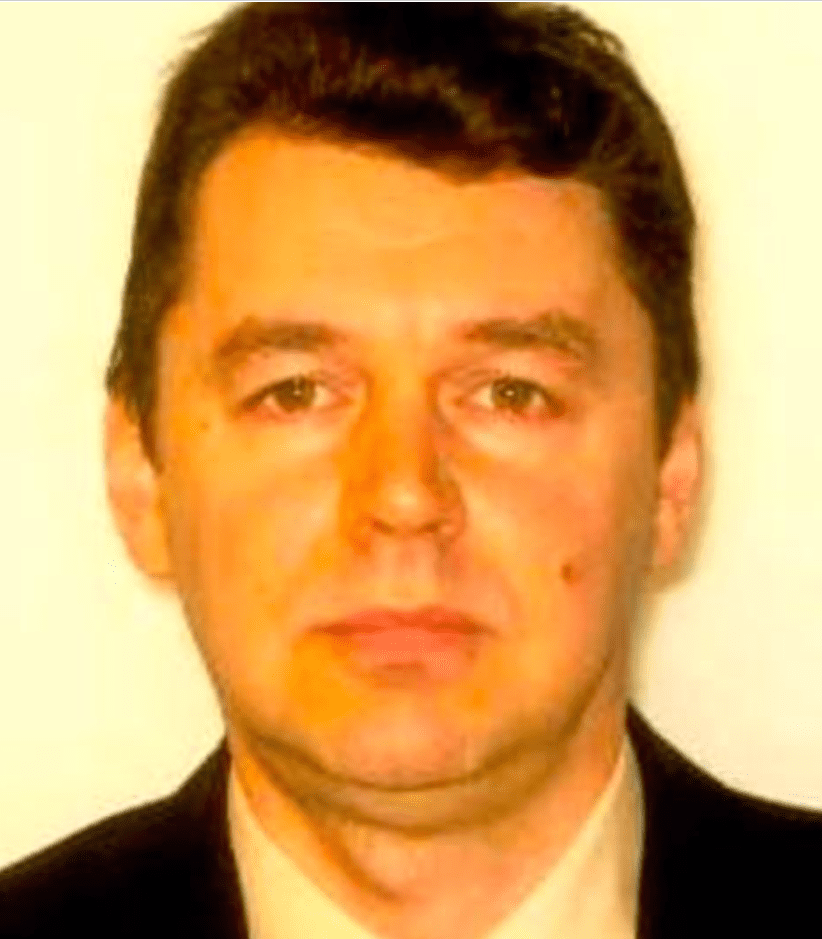
Ždanoka is also said to have sought FSB support for events commemorating Soviet history and to have promoted narratives sympathetic to Moscow’s interests.
While she denies knowingly cooperating with Russian intelligence, claiming her actions were in pursuit of peace and minority rights, the European Parliament launched an investigation and barred her from standing in the 2024 elections.
Startling connections
While Shekhovtsov’s main narrative revolves around Eastern Europe, the British connections it uncovers are startling.
Gill, Arnott, Coburn and Wells were all elected under the UKIP/Brexit Party banner – parties that rode the wave of anti-EU sentiment culminating in Brexit.
None, except Gill, is accused of espionage or criminal activity. But the report suggests that they, like other right-wing populists across Europe, became convenient, if unwitting, conduits for narratives originating in Moscow.
Russian talking points
In interviews and social-media statements, several echoed talking points aligned with Russian positions: opposition to sanctions, scepticism about NATO, and warnings against “Russophobia”.
Gill’s own website, active until 2021, carried repeated criticisms of Britain’s “new Cold War mentality”.
For Shekhovtsov, these overlaps are not coincidence. His broader thesis is that the Kremlin has long cultivated a “coalition of the illiberal” – a spectrum running from far-right nationalists to anti-establishment populists – united by hostility to Brussels and to liberal democratic norms.
In that sense, the Brexit Party and Reform UK milieu provided fertile ground: Eurosceptic, distrustful of mainstream media, and open to claims that the EU had become an oppressive bureaucracy.
Taking bribes
Last month, Nathan Gill pleaded guilty to receiving bribes from Ukrainian intermediaries – principally Oleg Voloshin – acting for pro-Russian interests. This was a separate case, but one that lends new resonance to Shekhovtsov’s earlier investigations.
Gill’s fall from grace encapsulates the danger identified by Shekhovtsov four years ago: that right-wing populism’s anti-establishment zeal can make it unwittingly porous to foreign manipulation.
And, as Shekhovtsov’s meticulous research shows, the line between naïve engagement and active complicity can be perilously thin.
Anton Shekhovtsov, “The Rise and Fall of a Polish Agent of the Kremlin Influence,” European Platform for Democratic Elections (EPDE), 2021.


