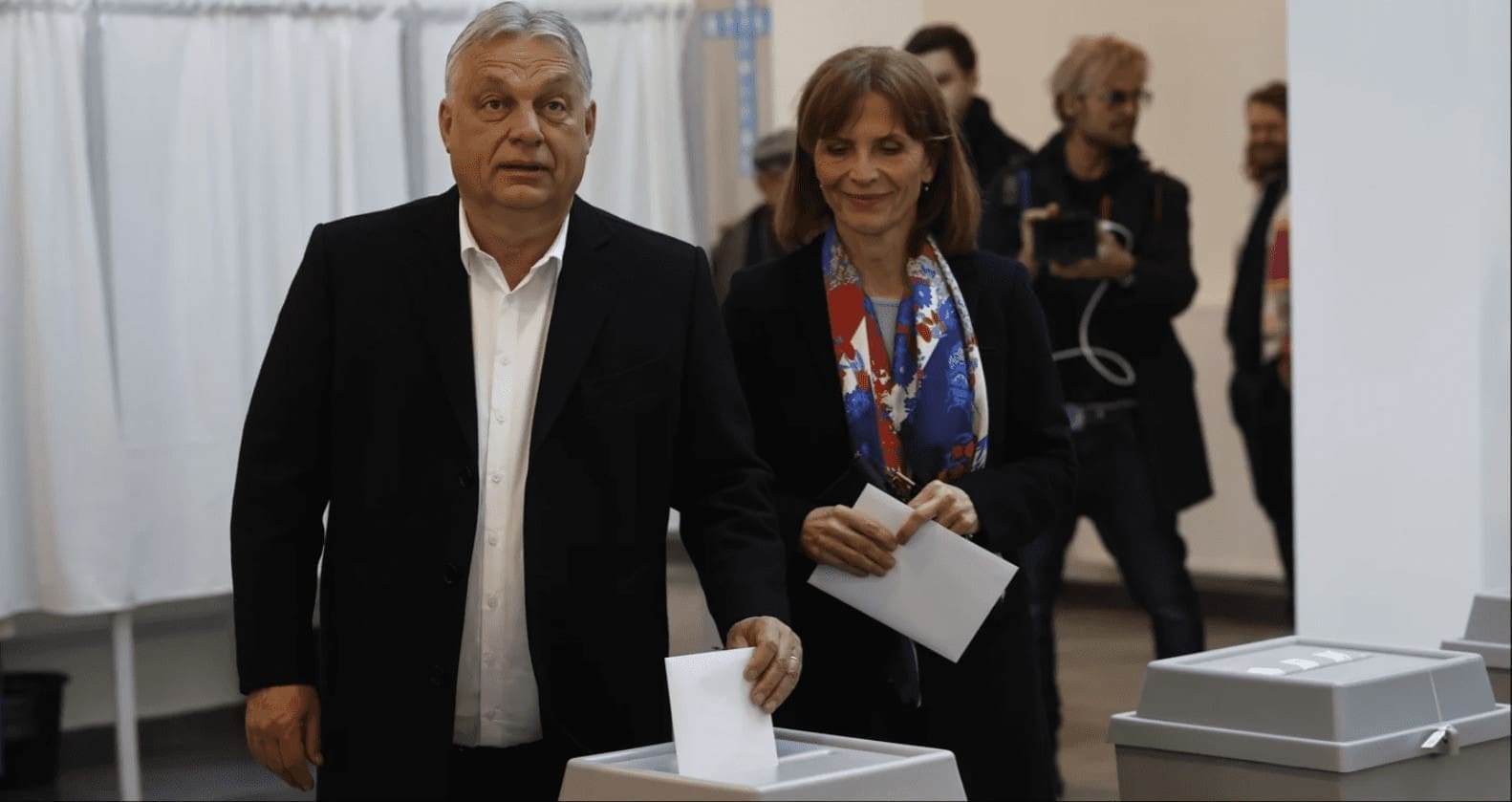
Viktor Orbán’s crushing defeat in Hungary’s parliamentary election, with Peter Magyar’s Tisza party taking over 53 per cent of the vote to Fidesz’s 38 per cent, with results pointing to Tisza winning a crucial two-thirds majority with 135 seats in the 199-member parliament, is more than the end of a 16-year autocracy.
It is a seismic event for the international far right, which had built Orbán into a totemic figure: proof that nationalist authoritarianism could hold power indefinitely if it captured the institutions and rigged the rules hard enough.
Most corrupt
It turns out it could not. Turnout reached over 77 per cent, a record in Hungary’s post-communist history, driven by voters exhausted by corruption, economic stagnation and a government that had made Hungary, according to Transparency International, the most corrupt country in the European Union.
The lesson will not be lost on democrats across the continent. Whether it will be absorbed by Orbán’s international admirers is another matter.
The immediate damage to the European far right is structural. Orbán was not just a national politician; he was the architect of Patriots for Europe, the European Parliament’s third-largest force, the bloc through which Marine Le Pen’s National Rally, Geert Wilders’ Party for Freedom, Matteo Salvini’s League and others coordinated their obstructionism in Brussels.
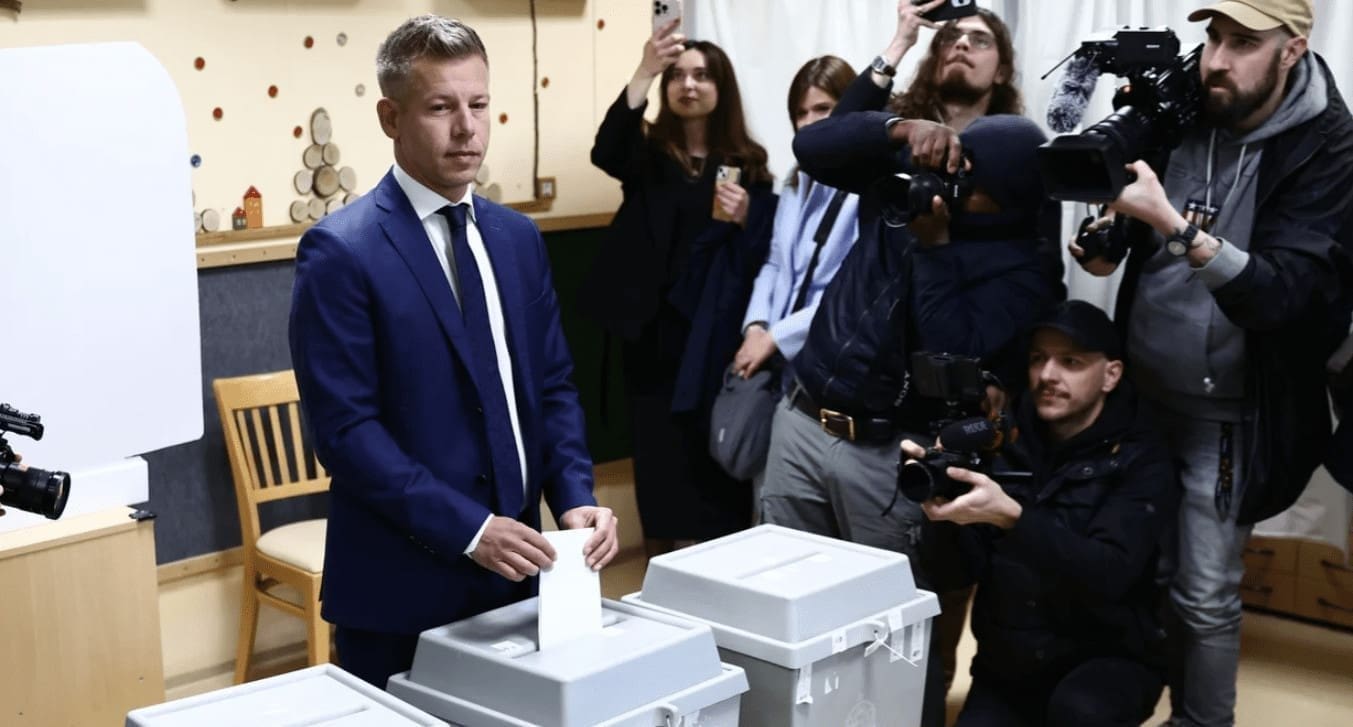
The reach of Orbán’s operation extended well beyond parliamentary manoeuvring. Using Hungarian state funds, including a €1.3 billion endowment granted in 2021 that encompassed a 10 per cent stake in the national oil and gas company MOL, itself heavily reliant on Russian energy imports, Orbán constructed a transnational financial infrastructure for the far right.
Tentacles reaching Britain
At its centre was the Mathias Corvinus Collegium (MCC), chaired by his political director Balázs Orbán, which spawned campuses in Austria and Slovakia, a Brussels lobbying operation running to over €6 million a year, and tentacles reaching into the British right.
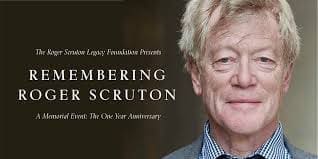
The Roger Scruton Legacy Foundation, whose board has included Michael Gove and James Orr, Nigel Farage’s senior adviser and Reform UK’s head of policy, received more than £512,000 from MCC, representing over 90 per cent of its funding.
MCC also runs an annual summit at King’s College London and has been accused by EU watchdogs of breaching lobbying transparency rules by failing to disclose its funding sources.
This was not philanthropy. MCC Brussels operated with a clear far-right agenda, targeting EU climate policy, civil society funding, gender rights and minority protections, while connecting far-right politicians, media figures and activist networks across the continent.
Cultivating US right
The Danube Institute, another Orbán-backed body, cultivated the American right, maintaining close links with the Heritage Foundation, the architects of Project 2025. Hungary became, by some measures, the highest spender in Europe on anti-gender funding after Russia, pumping an estimated $172 million into that cause between 2019 and 2023.
Whether a Magyar government can claw back the public assets that underpin this network remains to be seen. MCC’s legal structures were specifically designed to insulate it from political change. But the loss of a sympathetic government in Budapest will at least create financial uncertainty.
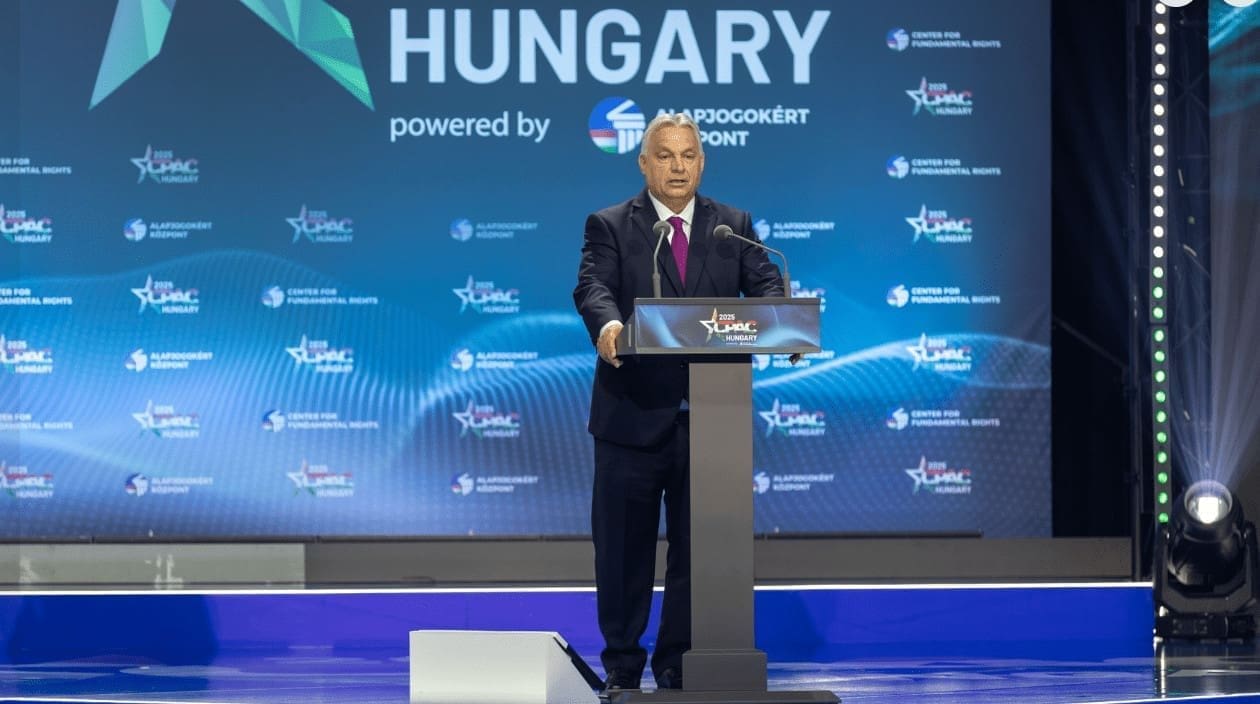
Orbán’s exit deprives Putin of his main ally in the EU as well as sending shockwaves through Western right-wing circles, including Trump’s MAGA followers. With Fidesz reduced to an opposition rump in Budapest, the question of who leads Patriots for Europe in the EU, and whether it coheres without its founding patron, becomes urgent.
Reform’s warm relations
The answer matters here in British as well. Nigel Farage’s Reform UK has pursued warm relations with the Patriots network, and the Orbán model of electoral manipulation dressed up as democratic mandate, and media capture presented as national culture, has been held up as a template worth studying.
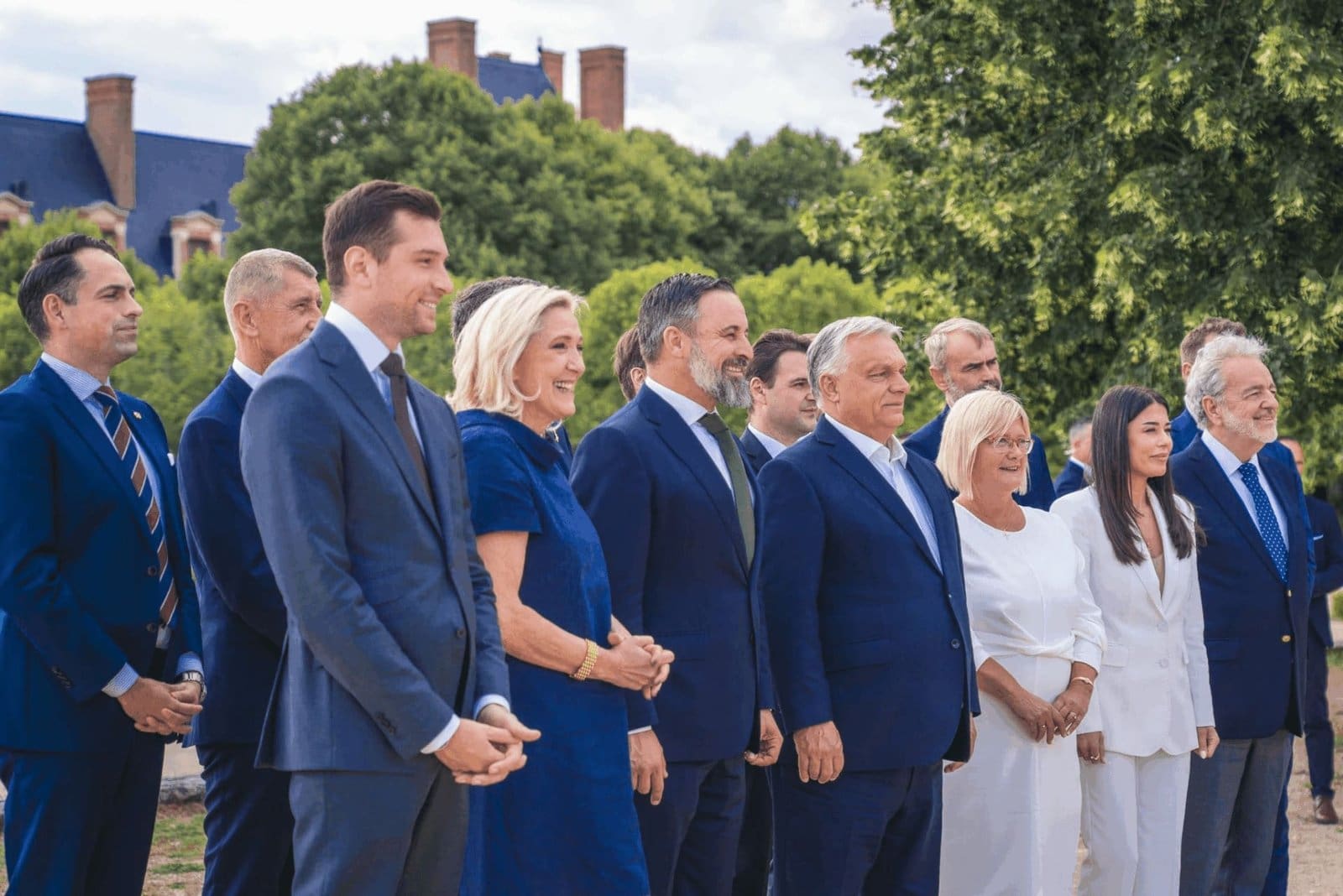
The main reason Reform UK, the German AfD, the French National Rally and other far-right parties have prospered has more to do with national factors than with any transatlantic movement.
But that cuts both ways: Orbán’s fall is also a national story, and the specific conditions of Hungarian politics will not simply replicate elsewhere. But the collapse of the flagship “illiberal democracy” removes a propaganda asset the international far right has relied on for a decade.
Recent weeks have already seen setbacks accumulate: the far right held back in Paris and Lyon in French local elections, the National Rally failed to break into Marseille, and Giorgia Meloni suffered a significant rebuke when Italian voters rejected her judicial reforms by a clear margin.
No unstoppable advance
The far right remains powerful – indeed, in France the polling for 2027 remains ominous – but the narrative of unstoppable advance has taken a battering.
The strongman model sells a particular fantasy: that once power is consolidated, it stays consolidated. Hungary just put a ballot through that fantasy.
Europe’s far right will regroup and adapt.
But tonight, on the banks of the Danube, the crowd chanting “we did it” speaks for rather more than Hungary.


