The resistance heroes who stopped a train to Auschwitz

On this day in 1943, for the only time anywhere in Europe during the Holocaust, members of the Belgian resistance attacked a train carrying Jews to the death camp at Auschwitz and freed many of those being shipped to the gas chanmbers. That night, the eve of Passover, and the same night the Warsaw Ghetto…

On this day in 1943, for the only time anywhere in Europe during the Holocaust, members of the Belgian resistance attacked a train carrying Jews to the death camp at Auschwitz and freed many of those being shipped to the gas chanmbers.

That night, the eve of Passover, and the same night the Warsaw Ghetto Uprising began, three young Belgians cycled out of Brussels towards a railway bend near Boortmeerbeek, between Mechelen and Leuven.

Unique in history of the Holocaust

They carried wire cutters, a storm lantern, some red tissue paper, and a single small-calibre pistol.

What they did next was unique in the history of the Holocaust.

The Twentieth Convoy had left the Dossin barracks in Mechelen that evening carrying 1,631 Jewish men, women and children, the largest transport yet dispatched from Belgian soil to Auschwitz-Birkenau.
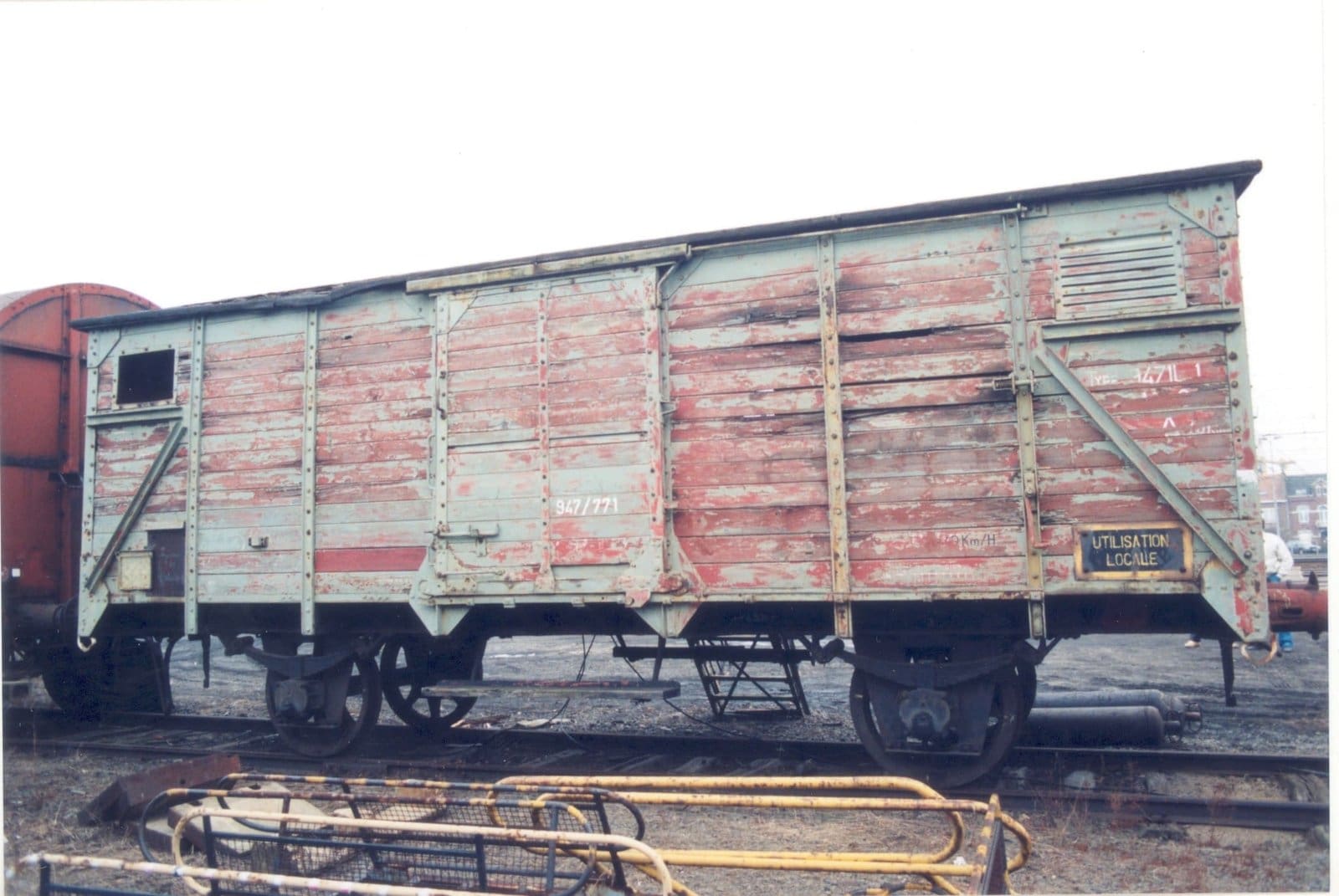
20th convoy wagon
One of the wagons of the Twentieth Convoy

For the first time, the Nazis had replaced the usual third-class carriages with sealed cattle wagons, their small windows strung with barbed wire. A 40-strong Schutzpolizei escort had been assigned.

The changes were not accidental: earlier convoys had been haemorrhaging prisoners through windows and doors. The machinery of extermination was adapting.

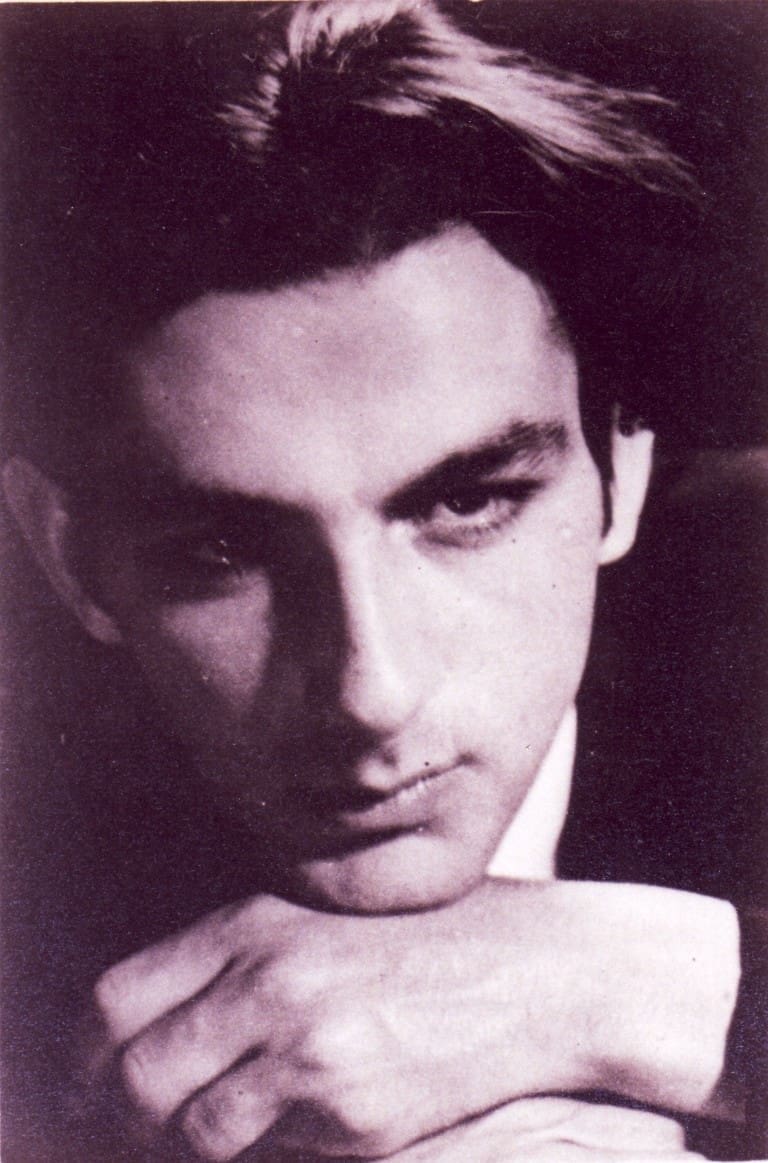
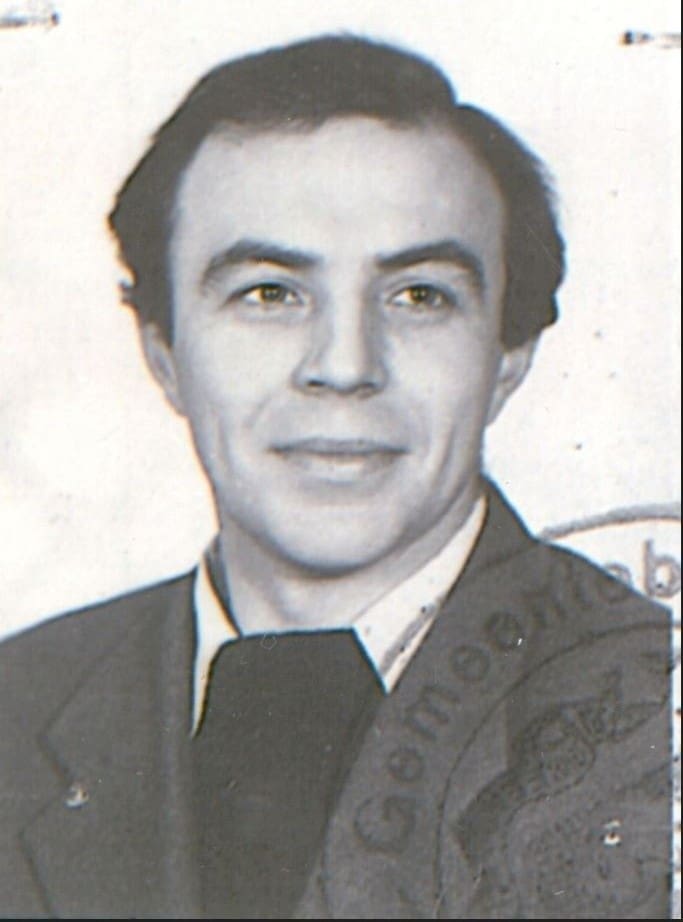
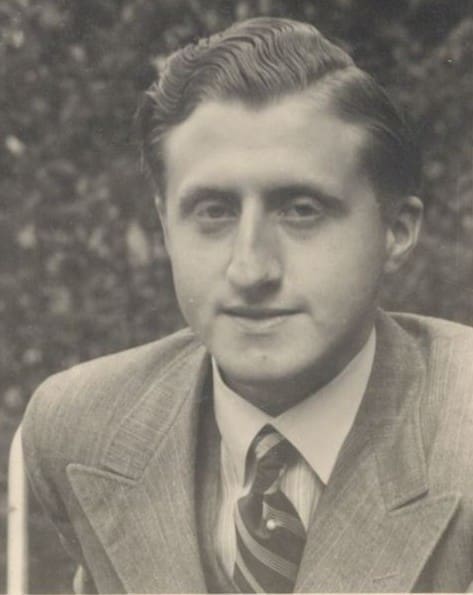
Youra Livchitz, one of the leaders of Group-G, had obtained a 6.35mm pistol and recruited his old schoolmates Robert Maistriau and Jean Franklemon.

Stopped the train

Livchitz was a Jewish doctor, barred by the Nazis from practising medicine. Maistriau had bought pincers and a Feuerhand lamp, wrapping it in red tissue to make a signal light. Armed with one pistol, a lantern and red paper, the three stopped the train on the Mechelen–Leuven track.

When the driver saw the red signal, he braked. In the darkness and confusion, Maistriau prised open a wagon door. Prisoners began to jump. The guards opened fire.

Livchitz, wounded, fired back to cover the escaping prisoners.

Gunpoint

Franklemon, threatened at gunpoint near the locomotive, could not reach a wagon. Yet by the time the train crossed the German border, 233 people had managed to escape, of whom 118 ultimately survived the war.

The train arrived at Auschwitz on 22 April. Of those who remained, 521 were assigned as slave labourers; the rest were murdered in the gas chambers on arrival. Only 150 of the 521 survived the war.
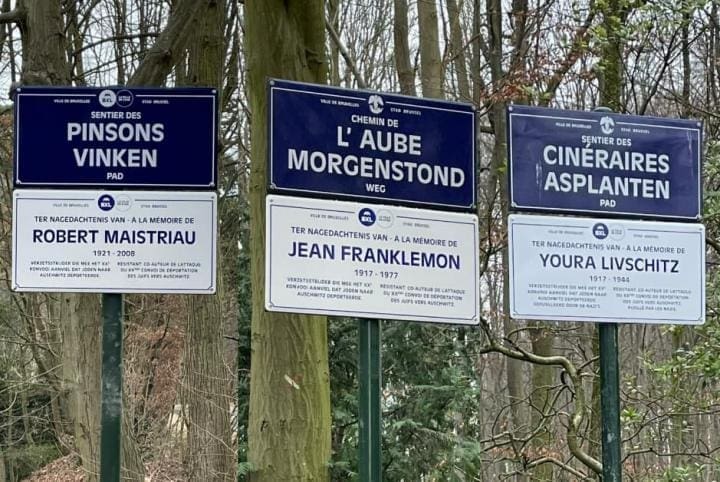
20th convoy memorial
Commemorative plaques in the Bois de la Cambre, in the heart of Brussels.

The fate of the three resisters was bleak but defiant. Livchitz was arrested within weeks. He escaped from Gestapo headquarters in Brussels but was recaptured and executed by firing squad in Schaerbeek on 17 February 1944.

His last letter to his mother read: “Consider that I died at the front line.”

Franklemon survived Sachsenhausen. Maistriau survived Bergen-Belsen and lived until 2008.

The attack on the Twentieth Convoy remains the only mass breakout from a Holocaust deportation train in the history of the war.

Three brave anti-nazis, 118 lives saved.


Paul Nowak

Paul Nowak

The essence of trade unionism is solidarity, fairness and equality – for all workers – from all backgrounds. That’s why our fight against the far-right has always been part of our movement’s DNA. Searchlight is an incredibly important resource for trade unions and members to understand the contemporary tactics of far-right activity. Their work and intelligence gathering over the years have been incredibly insightful for the work we do, and how we fight the scourge of fascism.

Paul Nowak
TUC General Secretary

Paul Holborow

Paul Holborow

In the campaign against the National Front, Searchlight provided a rich and utterly reliable basis for much ANL propaganda – particularly with reference to the two leading NF figures, John Tyndall and Martin Webster. The appearance of Tyndall in full nazi uniform, drawn from the archives of Searchlight, was a key part of ANL propaganda, coupled with deeply damaging nazi quotes from Webster.

Paul Holborow
Founding member of the ANL and National Organiser 1977-81

Nick Davies

Nick Davies

To investigate fascists takes real courage and unusual commitment. The government, police, mainstream media occasionally take a look, but in the UK only Searchlight have kept at it, relentlessly and admirably, regardless of threat or obstacle. It’s journalism that matters. A rare thing.

Nick Davies
Multi-award-winning investigative journalist and writer

Alf Dubs

Lord Alf Dubs

Searchlight’s voice is more important than ever, and I am delighted that it will now be available to a wider audience than ever before in its new incarnation online. Searchlight has been extremely helpful over the years in exposing the far right, corruption, criminality and the murky links between organised crime and powerful interests in the UK and abroad. I wish Searchlight the very best.

Alf Dubs
Labour peer, former MP and Cabinet Minister, and Kindertransport child

Peter Hain

Peter Hain, founder of the ANL and friend of Searchlight

British Jews have been persecuted over the centuries; British blacks since the Windrush generation of the 1950s; British Muslims, especially after the Islamist 9/11 and then 7/7 terrorist attacks in New York 2001 and London 2005. But until the last few years there has not been a simultaneous threat against all three British communities of Jewish, Black and Muslim Britons – meaning the need for Searchlight has never been greater.

Peter Hain
Labour peer, former MP and Cabinet Minster

Professor Colin Holmes

Professor Colin Holmes
Everyone who wants to understand contemporary racism and its historical background needs to read Searchlight.
Professor Colin Holmes
University of Sheffield

Top ten most read