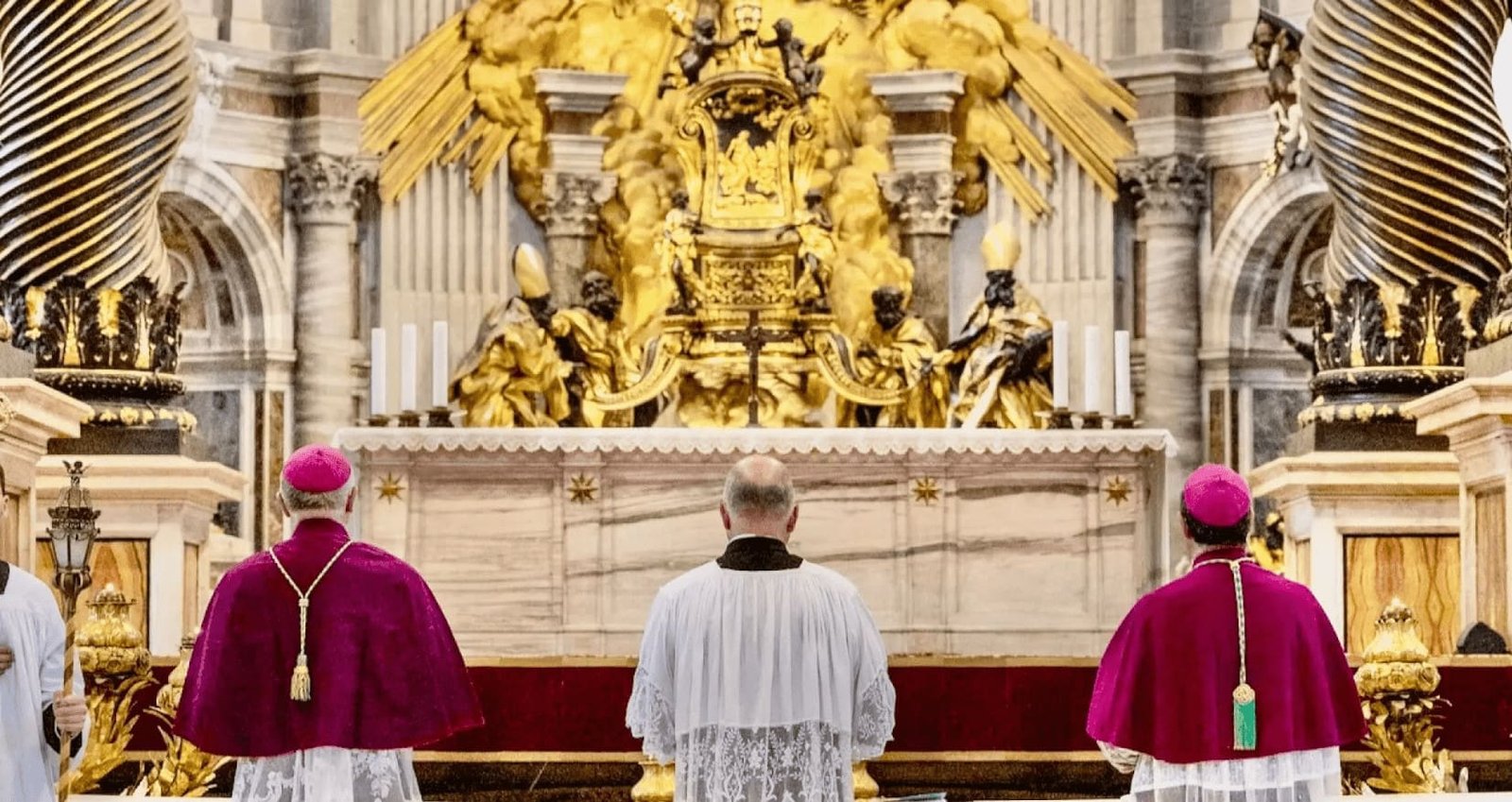
The Vatican has warned the far-right Society of St Pius X (SSPX) that it faces excommunication if it goes ahead with plans to ordain new bishops without papal approval
It’s the sharpest confrontation since the 1980s between Rome and the ultra-traditionalist sect with a long and squalid history of far-right politics and antisemitism.
The Swiss-based society announced in February that it intended to ordain new bishops without Vatican consent, citing a need for more senior clergy to lead its operations.
Formal warning
The SSPX currently has only two bishops, both in their sixties, limiting its capacity to ordain new priests and replenish its ranks.
Cardinal Víctor Manuel Fernández, prefect of the Vatican’s Dicastery for the Doctrine of the Faith, responded on 13 May with a formal warning that the planned ordinations would constitute “a schismatic act” carrying automatic excommunication.
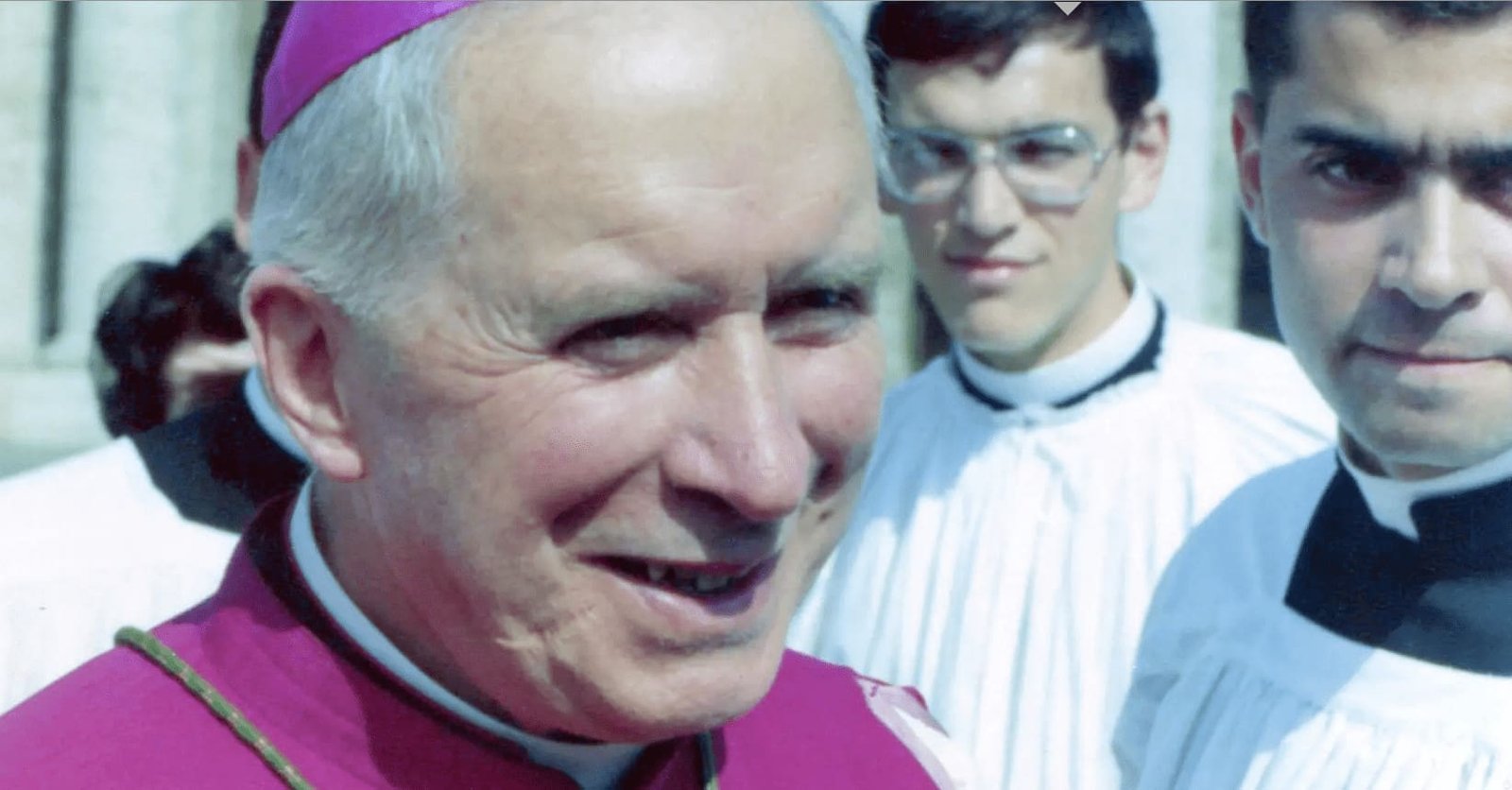
The SSPX was founded in 1970 by French Archbishop Marcel Lefebvre in opposition to many of the liberal reforms that followed the Second Vatican Council, including the move to celebrate Mass in local languages rather than Latin.
During the war Lefebvre lamented the Allied liberation of France, describing it as “the victory of Freemasonry against the Catholic order of Pétain”; an invasion, in his words, of “barbarians without faith or law.”
Fascist pilgrimages
He spoke approvingly of the “Catholic order of Pétain” and the society still organises pilgrimages to the Vichy leader’s tomb.
The group’s relationship with Rome fractured in 1988 after Lefebvre consecrated four bishops without papal approval, leading to excommunications.
Benedict XVI subsequently lifted those excommunications in 2009 in an attempt to renew dialogue.
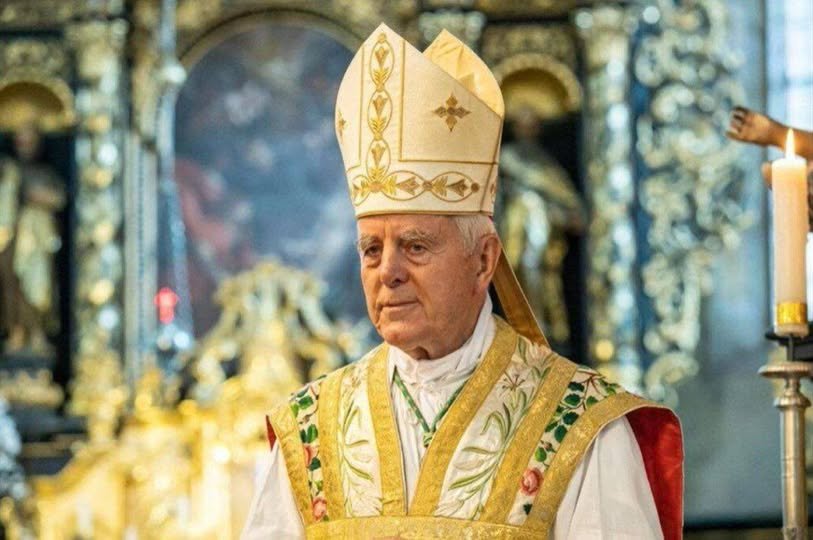
That gesture caused an international outcry, since one of those rehabilitated was the UK bishop Richard Williamson, who had declared from a Canadian pulpit in 1989 that “there was not one Jew killed in the gas chambers.”
Williamson championed the antisemitic forgery The Protocols of the Elders of Zion, claimed that Jews sought “world dominion,” and was an associate of Holocaust denier David Irving.
Denied Holocaust
Originally an Anglican, Williamson was one of four priests illicitly consecrated as SSPX bishops by Lefebvre at Écône in 1988.
Expelled from Argentina following the 2009 Holocaust-denial row, he returned to England and settled in Broadstairs, Kent.
After being expelled from the SSPX in 2012 for insubordination, he founded the even further-right, breakaway SSPX Resistance, consecrating bishops without any mandate and triggering automatic excommunication for a second time in 2015.
Conspiracy theories
Right up to his death at age 84 from a brain haemorrhage in Margate last year, Williamson was publishing weekly bulletins describing Jews as “God’s enemies,” characterising the Holocaust as a theological invention designed to suppress Catholicism, and recycling the full repertoire of Judeo-Masonic conspiracy theories.
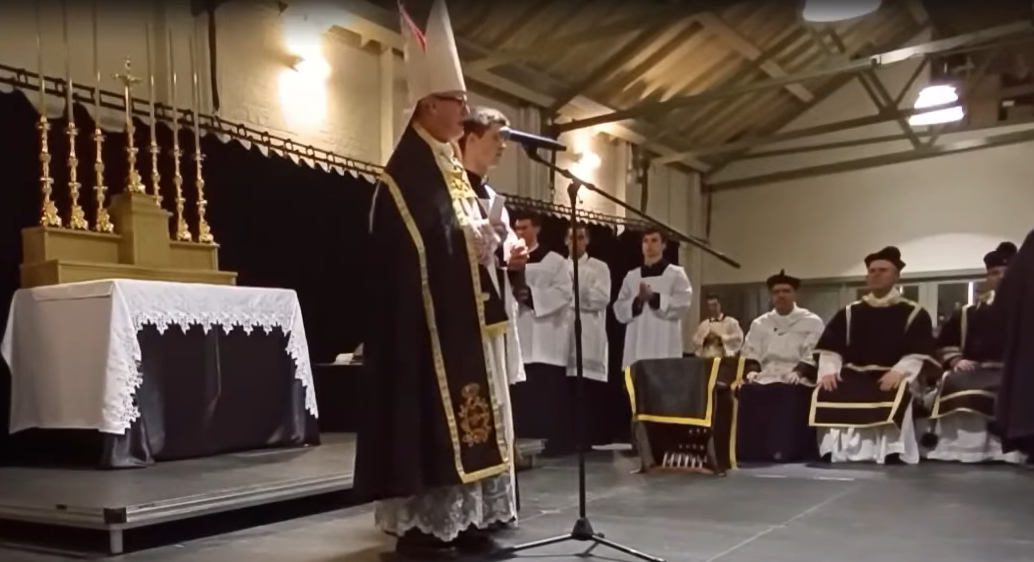
Officiating at Williamson’s funeral was Paul Morgan, a British bishop who has since emerged as the Resistance’s most significant operational figure in the UK and Ireland.
Morgan served as SSPX district superior for Britain before aligning himself with the hardliners who rejected any reconciliation with Rome. He remained loyal to Williamson, even after the latter’s expulsion and second excommunication.
Selling antisemitism
Williamson’s views were not an aberration. The SSPX’s publishing arm, Angelus Press, sold antisemitic titles including The Protocols of the Elders of Zion alongside works by known antisemitic authors, while an SSPX priest publicly praised Waffen-SS officer and Holocaust denier Léon Degrelle in the society’s own publications.
When international scrutiny intensified in 2009 following Bishop Richard Williamson’s Holocaust‑denial interview, the most inflammatory items were removed from the Angelus Press list, but the purge was only partial, leaving other antisemitic material accessible for months or years afterwards.
Despite this record, the SSPX leadership maintains that it “completely rejects the false claim that it teaches or practices anti‑semitism.”
Who blinks first
The July ordination deadline gives Rome limited time to pull the society back from the brink. It’s now a matter of who blinks first.
But on previous form, maintaining an organic link with the mother church will not sit high in the Society’s priorities.


